Appliances · Buying Guide
Best Cold Rise Pizza Dough Containers for Homemade Baking Success
Making artisan pizza at home often involves managing cold fermentation processes where dough balls rest slowly in the refrigerator overnight or longer. Choosing the right container ensures proper dough hydration, prevents unwanted surface drying, and keeps individual portions neatly organized without crowding your available refrigerator shelf space or interfering with neighboring items.
Various materials like stainless steel, reinforced silicone, and heavy-duty aluminum offer distinct advantages for temperature regulation, structural durability, and daily kitchen workflows. Evaluating specific capacity ratings, sealing mechanisms, and stackability features helps home bakers select practical storage solutions tailored to their exact baking batch sizes, kitchen storage constraints, and regular meal preparation routines.
As an Amazon Associate, StacyLaughs earns from qualifying purchases.
Buying guide
Material Selection for Cold Fermentation
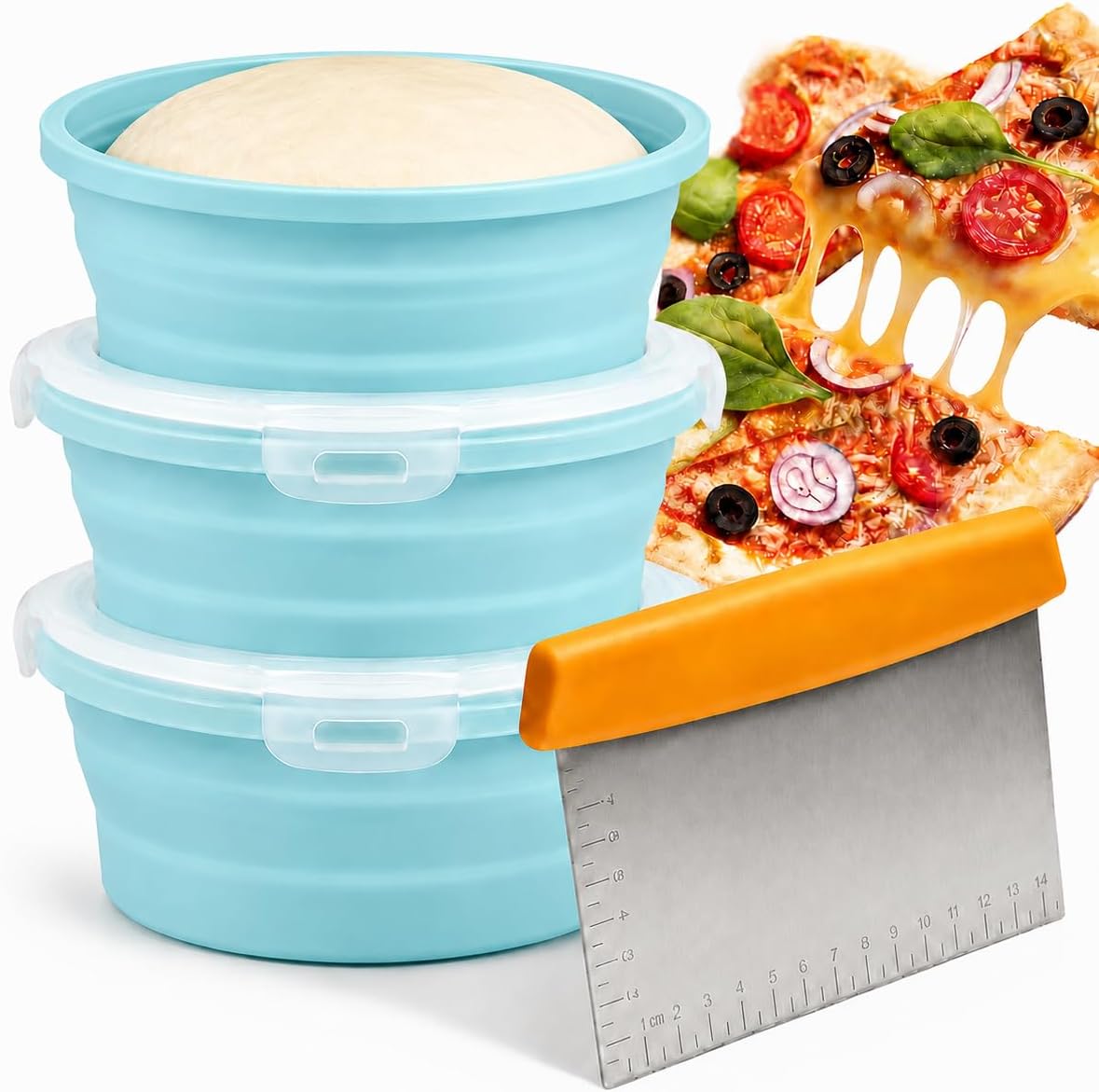
Choosing the appropriate material for cold fermentation containers significantly impacts temperature retention, durability, and daily maintenance routines. Stainless steel offers exceptional resistance to stains and odors while maintaining structural rigidity without flexing. Aluminum pans provide reliable performance suited for heavier baking demands and rapid thermal transfer in professional environments. Silicone containers reinforced with internal steel frames combine flexibility with stability, allowing users to collapse boxes for compact storage while keeping dough protected from environmental shifts.
Each material presents distinct trade-offs regarding cleaning methods and physical handling characteristics during busy food preparation sessions. While metal options require manual washing to preserve finishes, food-grade silicone alternatives often support dishwasher cycles for effortless cleanup. Evaluating your kitchen workflow helps determine whether rigid metal durability or flexible, space-saving silicone better suits your regular baking schedule and long-term storage preferences.
Optimizing Capacity for Dough Ball Sizes
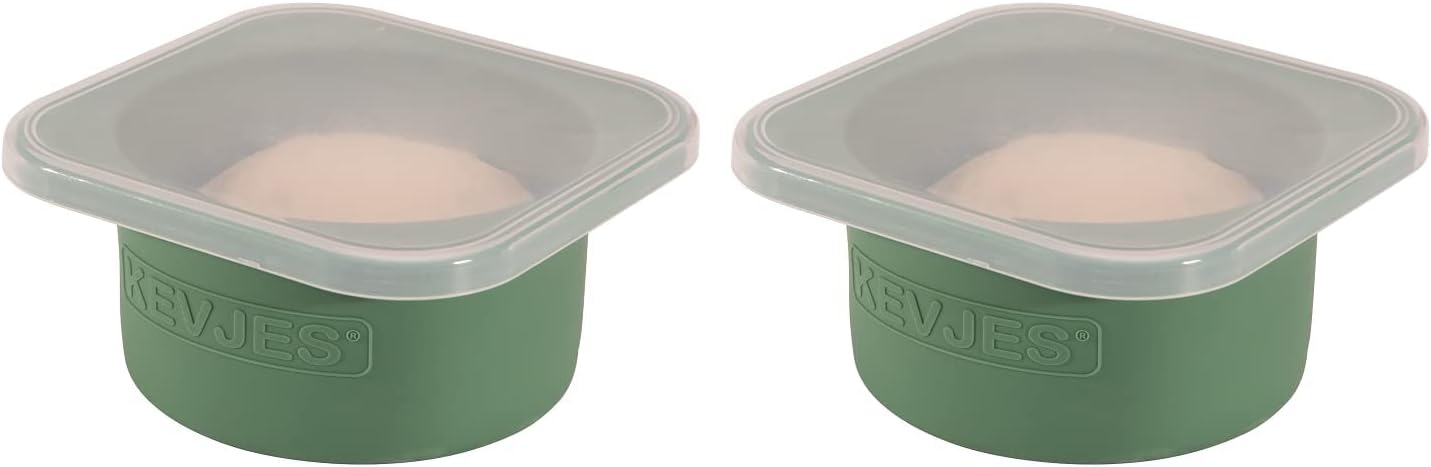
Selecting the correct container capacity ensures your pizza dough balls have adequate room to rise without spilling over edges or crowding neighboring portions. Smaller 500ml vessels suit individual Neapolitan-style portions, keeping each ball compact and properly hydrated during precise cold fermentation schedules. Medium 1000ml to 1200ml options accommodate larger family-sized crusts or thicker artisan breads, giving the yeast sufficient vertical space for expansion over overnight rest periods.
Matching container volume to your typical recipe batch prevents structural compression that can ruin delicate gluten networks inside the dough. Oversized containers waste valuable refrigerator shelf space, whereas undersized vessels restrict natural expansion and cause misshapen results. Assessing your standard recipe measurements guides you toward the ideal volume for consistent, professional-quality crust development.
Evaluating Airtightness and Lid Design
Maintaining an airtight seal during cold fermentation is critical to prevent the outer surface of your pizza dough from drying out and forming an unwanted crust. Transparent lids offer a distinct advantage by allowing home bakers to monitor fermentation progress, bubble formation, and rising height without breaking the protective seal or letting in ambient air. Secure snap-fit or clip-on closures ensure that doors opening and closing nearby do not dislodge covers.
A reliable seal also stops strong refrigerator odors from penetrating the fermenting dough, preserving clean flavor profiles in your final crust. While flexible silicone lids rely on tight friction fits, metal and rigid containers often use dedicated sealing mechanisms. Inspecting how easily lids attach and remove ensures seamless operation during late-night prep or early-morning baking routines.
Refrigerator Space and Stackability
Efficient storage in crowded refrigerators requires thoughtful consideration of container dimensions, footprint shapes, and stacking capabilities. Self-stacking metal pans and modular silicone boxes turn vertical gaps into organized vertical towers, keeping multiple dough batches separate without hogging shelf territory. Rectangular and square designs usually utilize shelf corners better than round alternatives, maximizing available cold storage during intensive baking weekends.
Checking your refrigerator shelf height and depth before purchasing prevents frustrating layout clashes when stacking three or four containers high. Some silicone models feature collapsible walls that reduce vertical profiles when empty, offering additional flexibility for tight kitchen cabinets. Prioritizing stackable configurations ensures your kitchen remains orderly regardless of batch sizes.
Cleaning and Maintenance Protocols
Long-term durability depends heavily on adhering to manufacturer cleaning guidelines and understanding material sensitivities during routine maintenance. Stainless steel and aluminum options typically require hand washing to prevent surface discoloration and preserve polished finishes over years of service. Silicone containers frequently permit dishwasher sanitation, simplifying post-baking cleanup for busy home cooks who manage multiple kitchen accessories simultaneously.
Regular inspection of seals, rims, and internal frames ensures hygienic storage conditions for all your fermented baking ingredients. Avoiding abrasive scrubbers protects non-stick silicone coatings and polished metal walls from unnecessary scratching. Proper drying before storage prevents moisture accumulation, keeping your proofing equipment ready for the next round of homemade pizza preparation.
Assessing Included Accessories and Value
Many proofing container sets include practical accessories like bench scrapers, dough cutters, or multi-pack configurations that enhance overall value and usability. Scrapers help portion sticky dough cleanly from mixing bowls and assist with transferring balls into individual storage vessels without tearing the gluten structure. Purchasing multi-packs ensures you have enough concurrent containers for weekend pizza nights or simultaneous sourdough and bread baking projects.
Examining bundled extras helps determine whether a set provides complete utility straight out of the box or requires additional kitchen tool purchases. While bundled cutters streamline initial prep work, focusing primarily on core container quality remains paramount for long-term satisfaction. Weighing accessory utility against your specific baking habits ensures you invest in a practical, well-rounded kit.
Frequently asked questions
Why is cold fermentation important for pizza dough?
Cold fermentation allows pizza dough to rest in refrigerated temperatures for twenty-four to seventy-two hours, slowing yeast activity significantly. This extended fermentation period breaks down complex starches and proteins, developing rich, complex flavors and superior crust textures that quick-rise methods cannot achieve. Additionally, slow cold rises improve dough extensibility, making it much easier to stretch thin without tearing. Using airtight proofing containers during this process protects the dough from drying out while ensuring each individual portion maintains optimal hydration levels throughout the extended resting cycle.
Should I grease proofing containers before adding dough?
Applying a light spray or wipe of oil inside proofing containers is a widely recommended practice, especially when working with silicone or sticky high-hydration doughs. The oil acts as a barrier that prevents the fermented dough ball from adhering to the bottom and inner walls of the vessel. When the cold fermentation period concludes, this simple step allows the dough to slide out smoothly and cleanly without deflating or tearing the delicate gluten structure. Always check manufacturer guidance regarding compatible oils to protect your specific container material.
How do I choose between stainless steel and silicone proofing boxes?
Choosing between stainless steel and silicone depends heavily on your cleaning preferences and storage priorities. Stainless steel provides unmatched durability, resisting stains, odors, and cracking permanently while offering a sleek mirror-polished finish, though it typically requires hand washing. Silicone containers often feature dishwasher-safe convenience, integrated steel frames for stability, and collapsible walls that save valuable cabinet space. Assess whether you prioritize the rugged permanence of metal or the flexible storage and automated cleaning benefits of reinforced silicone for your kitchen.
Can proofing containers be used for storing other foods?
Many pizza dough proofing containers feature versatile designs that safely accommodate various kitchen ingredients beyond fermenting dough. Generous capacities and airtight seals make these vessels suitable for storing fruits, vegetables, cooked meats, seafood, snacks, and meal-prep leftovers in refrigerators or freezers. Stainless steel and food-grade silicone materials resist absorbing food odors and flavors, ensuring that containers transition smoothly between dough proofing and general food storage without cross-contamination concerns, provided proper cleaning protocols are maintained between different uses.
How many dough containers do I need for home pizza making?
The ideal number of dough containers depends entirely on how many pizza portions you plan to prepare simultaneously for family meals or gatherings. Multi-packs ranging from two to four containers allow you to portion individual dough balls separately, preventing them from fusing together during the rise. If you frequently host pizza nights or bake different bread recipes concurrently, having a larger set ensures you never run out of dedicated vessels. Evaluating your typical batch sizes helps determine the optimal pack count for your kitchen routine.