Appliances · Buying Guide
Best Cookie Sheet For Pizza Choices For Crispy Homemade Crusts
Finding the right baking surface changes how homemade and frozen pies turn out in a standard home oven. Whether you prefer a thick crust or a thin, crackling base, selecting a proper metal tray influences heat transfer and browning consistency across your favorite recipes. Carbon steel, stainless steel, and specialty nonstick coatings bring distinct advantages to your kitchen counter, making it easier to achieve professional results at home.
Different materials offer unique heat conduction properties, edge designs, and cleaning requirements for daily use. Exploring these options helps home bakers match their cooking habits with a reliable pan that handles high oven temperatures safely and efficiently while ensuring every slice bakes evenly without unexpected sticking or warping issues during busy meal prep.
As an Amazon Associate, StacyLaughs earns from qualifying purchases.
Buying guide
Material Composition and Metal Gauge
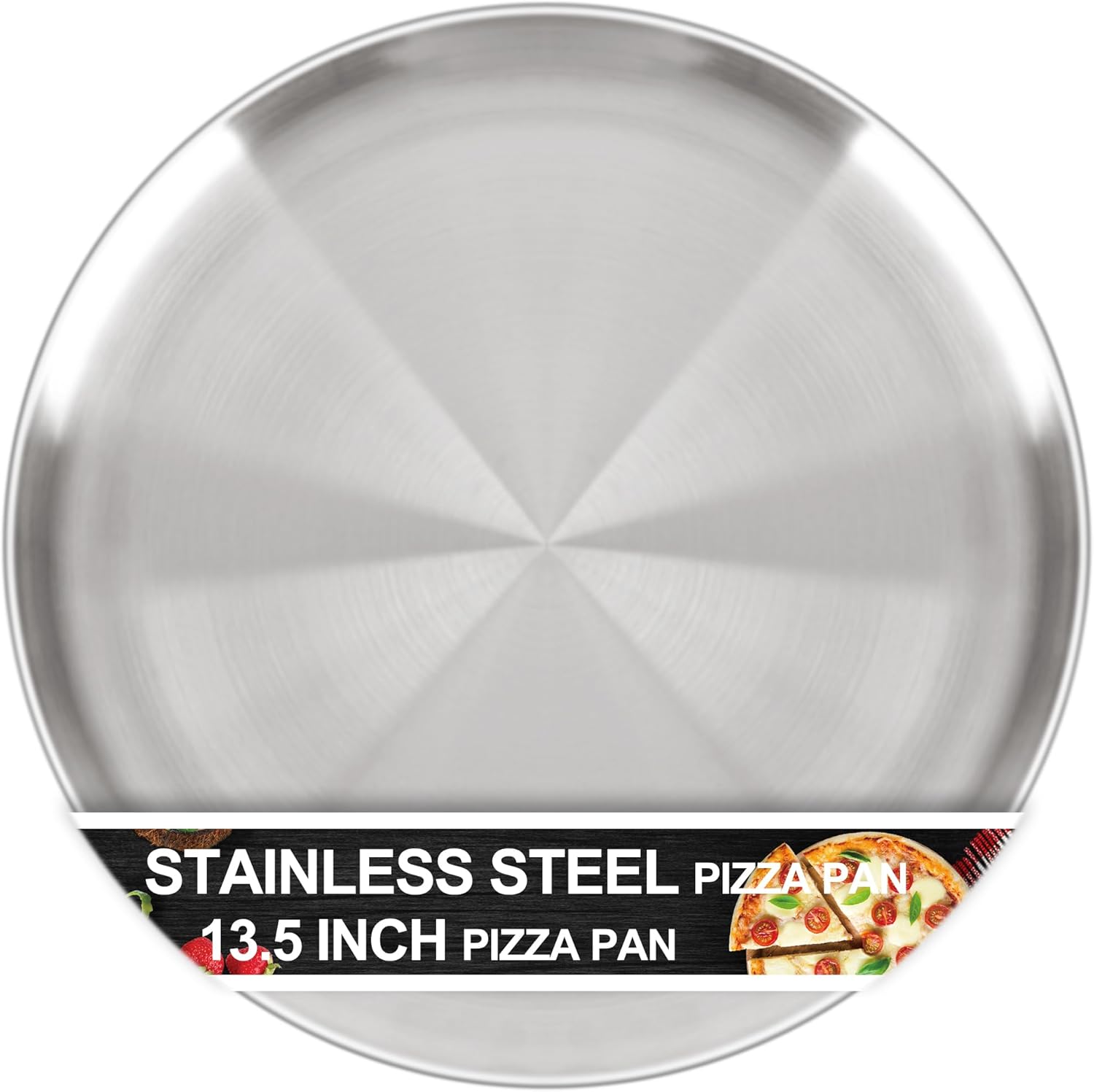
Choosing the right material dictates how long your bakeware lasts and how evenly heat transfers to your dough. Carbon steel is popular for rapid heat conduction and achieving golden browning, though many options require hand washing to preserve their nonstick properties. Stainless steel offers exceptional rust resistance and lets you slice directly on the tray without scratching a delicate coating.
Metal gauge also matters significantly when preventing warping at high temperatures up to 500 degrees Fahrenheit. Thicker carbon steel panels maintain structural integrity over years of heavy use, while lighter metals might flex under intense heat. Matching your maintenance preferences with the appropriate metal type ensures reliable performance across countless baking sessions.
Surface Design and Perforations
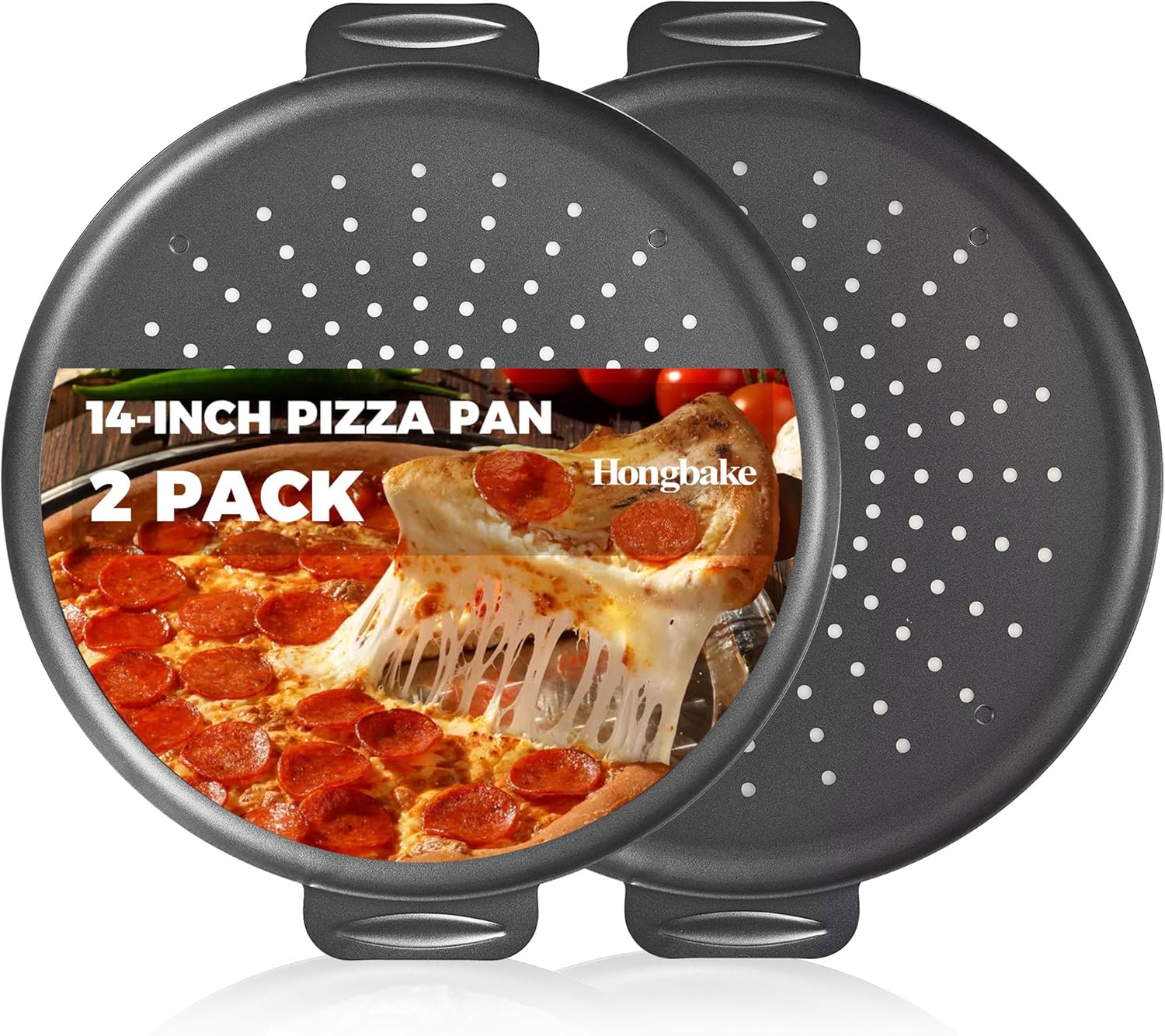
The physical layout of the cooking surface heavily influences crust texture. Perforated trays feature tiny holes across the bottom that allow moisture to escape during baking, preventing soggy dough and encouraging a crispier finish. This design works exceptionally well for frozen convenience items and homemade thin-crust styles where moisture control is critical for success.
Solid surfaces retain more juices, which can be advantageous if you are baking deep-dish styles or items with heavy, fluid toppings that might otherwise drip through ventilation openings. Evaluating your preferred style of pie helps determine whether a ventilated or solid metal base best serves your culinary goals.
Size and Dimension Considerations
Baking sheet dimensions must align with both your oven interior and your typical serving requirements. Standard residential models range from twelve to sixteen inches in diameter, accommodating small snacks or large family-style pies. Measuring your oven racks before purchasing ensures the tray fits comfortably without crowding heating elements or touching side walls.
Outer rims and handles also add to the overall footprint, meaning a fourteen-inch cooking area might require fifteen inches of actual clearance space. Considering storage constraints in your kitchen cabinets prevents clutter and keeps your bakeware easily accessible whenever inspiration strikes for homemade meal preparation.
Edge Profiles and Handling Safety
Sloped edges and rim designs play a vital role in keeping food secure and making pans comfortable to handle. A gentle slope prevents toppings from spilling over the side while baking, while wider rims provide a secure grip when wearing bulky oven mitts. These structural details reduce accidental slips during high-temperature transfers from the oven cavity.
Some advanced models incorporate raised feet on the bottom surface, which elevate the hot metal away from kitchen counters during cooling or serving preparation. Evaluating how easily you can grasp and maneuver a loaded tray prevents accidents and protects your wooden or laminate surfaces from heat scorches.
Cleaning and Maintenance Requirements
Maintenance needs vary widely depending on whether a pan features a specialized nonstick coating or durable exposed metal. Dishwasher-safe models offer ultimate convenience after busy family dinners, saving valuable time during cleanup. However, many carbon steel options require gentle hand washing with non-abrasive pads to protect their delicate nonstick coatings from scratching.
Following manufacturer guidelines regarding cleaning tools, upper temperature thresholds, and thorough drying techniques extends the operational lifespan of your bakeware. Storing metal pans completely dry helps prevent corrosion on carbon steel surfaces, ensuring your kitchen investment remains in top condition for future baking projects and daily meal prep sessions.
Special Features and Cutting Guides
Modern bakeware often includes thoughtful extras like integrated cutting guides or multi-pack quantities to enhance overall utility. Stamped guidelines on the surface make dividing circular pies into uniform portions fast and accurate. Meanwhile, buying multi-pack sets provides extra capacity for feeding larger crowds or baking multiple varieties at the same time.
Assessing which features matter most to your daily cooking routine helps narrow down the ideal product choice. Whether you prioritize portion slicing aids or multiple trays for high-volume baking, selecting options tailored to your specific household habits guarantees better satisfaction and far more enjoyable meal preparation experiences.
Frequently asked questions
Can I use metal utensils on these pizza pans?
Whether you can use metal utensils depends entirely on the specific construction material of the pan you select. Models featuring specialized nonstick coatings, such as carbon steel trays with nonstick layers, generally require non-abrasive pads and wooden or silicone tools to prevent scratching the coating. Conversely, solid stainless steel pans are durable enough to withstand direct contact with metal blades, allowing you to slice your pies directly on the surface without causing structural damage. Always check the manufacturer guidelines before cutting.
Are perforated pizza pans better for crusts?
Perforated pizza pans are specifically designed to improve crust crispness by allowing moisture to escape from the dough during the baking process. This ventilation prevents steam from pooling underneath, which helps eliminate soggy bottoms on homemade or frozen pizzas. However, if you are baking deep-dish styles or recipes featuring heavy, fluid toppings, a solid metal surface might be preferable to prevent ingredients from dripping through the ventilation holes into your oven floor.
What is the maximum temperature these pans can handle?
Most carbon steel and stainless steel options featured in this guide safely withstand high oven temperatures up to 500 degrees Fahrenheit, making them suitable for high-heat baking. Certain models specify a maximum limit of 450 degrees Fahrenheit due to their specific coatings or gauge thickness. Exceeding these manufacturer-rated upper temperature thresholds can cause warping or damage to nonstick surfaces, so it is vital to verify the rating before cranking your home oven to maximum settings.
Do I need to hand wash my pizza pan?
Cleaning requirements vary by model. While several stainless steel and cold-rolled steel trays are explicitly certified as dishwasher safe for maximum convenience, many carbon steel pans require gentle hand washing with a non-abrasive pad. Hand washing helps preserve delicate nonstick coatings and prevents premature wear, rust, or discoloration. Always review the product specifications to determine whether your specific tray can go in the dishwasher or if it requires manual cleaning after use.
Why do some pizza pans have raised feet?
Raised feet on the bottom of a pizza pan serve a very practical purpose during baking, cooling, and serving. These small built-in feet elevate the hot metal tray slightly off your countertops, protecting wooden or laminate surfaces from heat damage and scorching. Additionally, this elevation can promote better air circulation underneath the pan while it sits outside the oven, assisting with cooling and preventing moisture condensation from collecting beneath the base after cooking.