Appliances · Buying Guide
Best Cornmeal For Pizza Dough And Rustic Breads
Selecting the right cornmeal for pizza dough transforms how your crust bakes, providing that essential barrier between the stretched dough and your baking stone or peel. Whether you prefer a coarse crunch underneath your favorite pie or a fine texture integrated directly into specialized dough recipes, matching the grind to your specific culinary goal ensures reliable results during baking.
Various milling methods and grain types interact differently with oven heat and moisture. Coarse meals create distinct textures and prevent sticking, while finely ground alternatives mix smoothly into custom doughs. Understanding these product characteristics helps you pick the most suitable option for achieving professional crusts and traditional baked goods right in your home kitchen.
As an Amazon Associate, StacyLaughs earns from qualifying purchases.
Buying guide
Grind Size and Texture
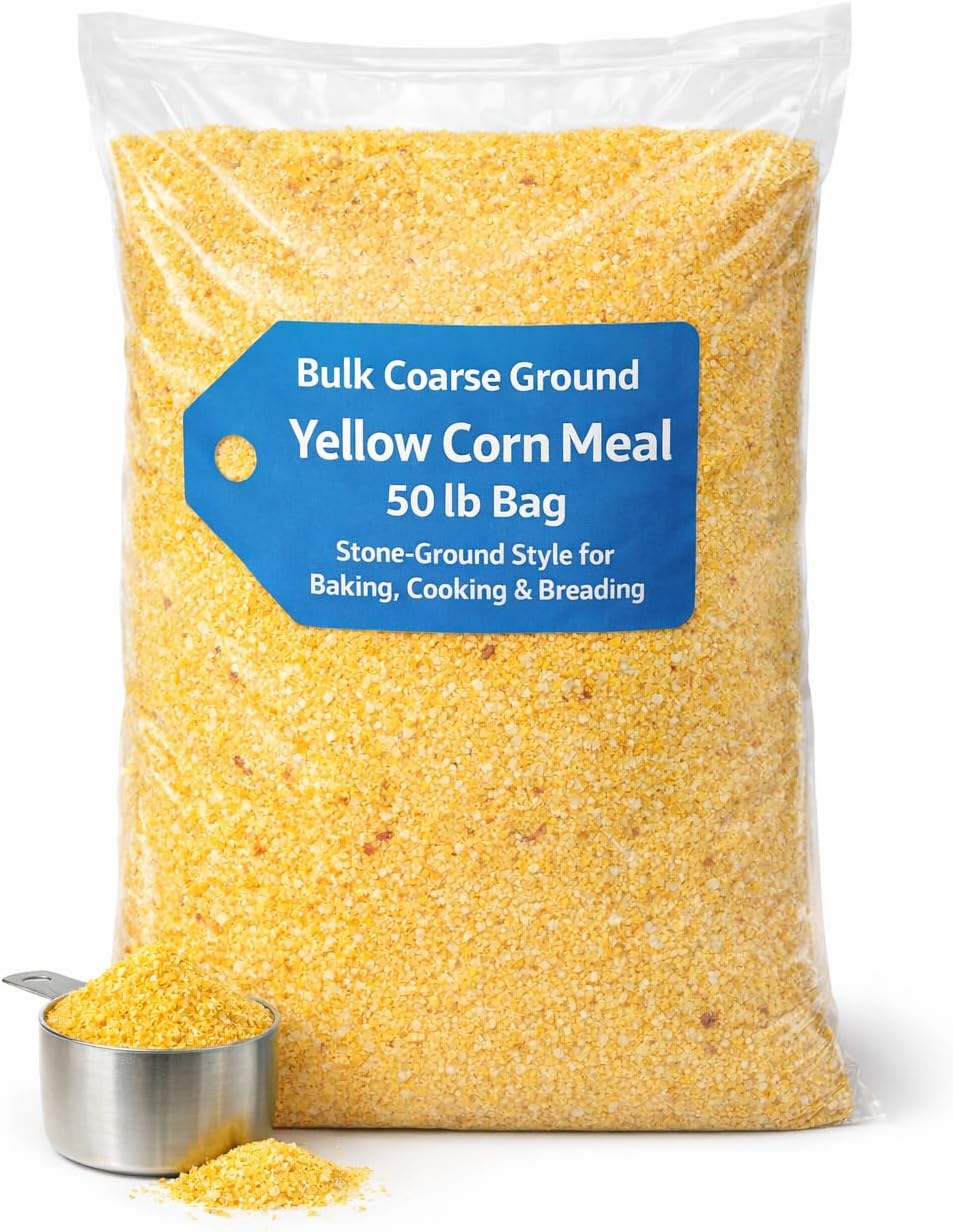
The grind size of your cornmeal dictates its practical performance across various baking tasks. Coarse grinds feature larger, distinct particles that create a reliable barrier between fresh pizza dough and a hot baking stone, successfully preventing sticking during high-heat transfers. This rough texture provides the classic crunch expected from traditional hearth-baked pies.
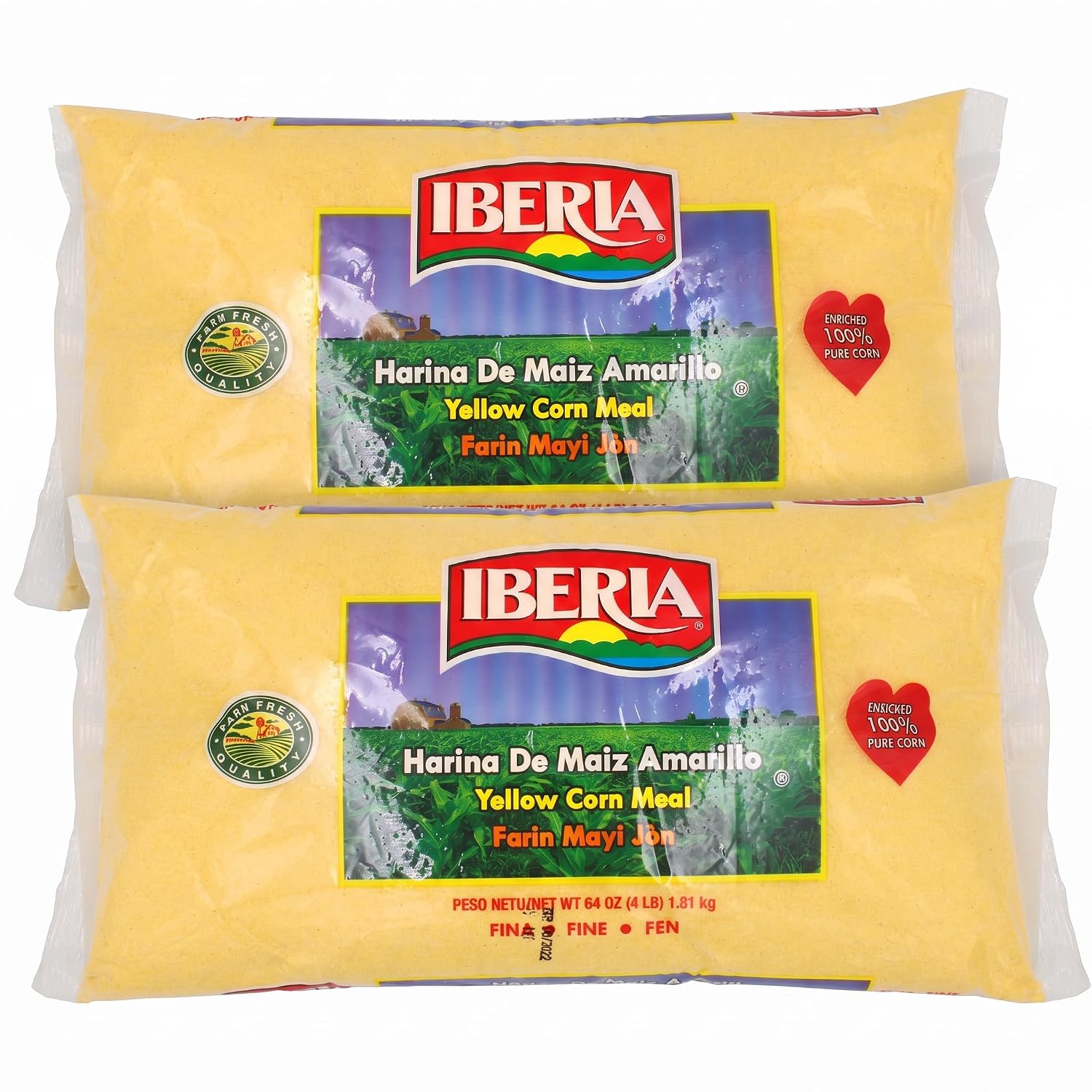
Conversely, fine grinds integrate smoothly into liquids and custom dough mixtures, making them ideal for cornbread, smooth batters, and flatbreads. Choosing the correct texture depends entirely on whether you need exterior surface friction for sliding dough or uniform internal blending for structural consistency. Matching the particle size to your specific recipe prevents unexpected baking complications.
Milling Methods
Milling methods significantly influence the overall flavor and nutritional characteristics of your corn product. Traditional stone-ground options typically retain more of the rich corn germ and outer hull elements, delivering a robust taste and authentic rustic character. This mechanical process crushes the whole kernel between heavy stones, preserving natural oils and complex flavors.
Industrial milling techniques often refine the grain more aggressively, yielding a uniform texture with a longer shelf life but a milder flavor profile. When selecting a product for baking, consider whether you prefer the earthy complexity of stone-ground maize or the reliable, consistent performance of modern commercial processing methods.
Corn Variety
The choice between yellow and white corn varieties involves both visual presentation and subtle flavor differences in your finished dishes. Yellow cornmeal delivers a classic golden appearance and a slightly sweeter, robust flavor profile that works wonderfully in traditional cornbread, southern recipes, and vibrant baking applications.
White corn options offer a neutral or distinctively mild taste alongside a clean, pale color that suits specific regional dishes and alternative baking styles. Evaluating your recipe requirements ensures the corn variety complements the overall aesthetic and flavor balance without overpowering other ingredients.
Pre-Cooked Versus Raw Meal
Pre-cooked corn meal options provide exceptional kitchen convenience by cutting down preparation times significantly. Because the starch is partially gelatinized during processing, these products absorb liquids differently and often eliminate the need for lengthy stovetop boiling steps when preparing traditional porridges or flatbread doughs.
Raw cornmeal requires proper hydration and cooking or baking time to soften the hard starch granules. If your recipe relies on raw meal for dusting baking surfaces, pre-cooked varieties may behave unpredictably. Understanding this distinction helps you avoid structural failures in both baked goods and surface applications.
Packaging and Storage Considerations
Evaluating packaging formats helps ensure your cornmeal stays fresh and matches your household consumption rate. Bulk bags provide immense value and long-lasting supply for high-volume kitchens, but they require dedicated storage space and proper airtight containers to prevent moisture infiltration and pest attraction over time.
Smaller multi-packs or consumer-sized bags offer manageable portions that fit easily onto standard pantry shelves, reducing waste for occasional bakers. Assessing your frequency of use guides you toward a packaging volume that balances cost savings with practical home storage limitations.
Gluten Content and Dietary Needs
Cornmeal serves as a naturally gluten-friendly ingredient, making it an appealing option for individuals managing dietary restrictions or wheat sensitivities. Many pure corn products substitute effectively for wheat flour in specific recipes, opening up new possibilities for alternative baking and custom kitchen creations.
However, shoppers must review product labeling carefully, as cross-contamination during manufacturing or added ingredients like self-rising leavening agents can alter dietary suitability. Confirming that your chosen cornmeal meets your specific health and nutritional guidelines ensures a safe and satisfying cooking experience.
Frequently asked questions
Can I use any type of cornmeal to keep pizza dough from sticking to my peel?
Coarse ground yellow cornmeal works best for dusting pizza peels and baking stones because the larger particles act like tiny ball bearings, allowing the stretched dough to slide effortlessly into a hot oven. Finer corn meals or corn flour lack this necessary grit and can quickly turn pasty or absorb moisture from the dough, causing it to stick firmly to the wooden or metal surface. Therefore, matching the particle size to your crust-launching technique prevents frustrating kitchen mishaps.
What is the difference between cornmeal and corn flour when making pizza dough?
Cornmeal features a distinctly gritty texture produced by grinding whole or milled corn kernels to a coarse or medium consistency, making it ideal for surface dusting and rustic texture. Corn flour is milled into a fine, powdery consistency resembling standard wheat flour, allowing it to blend smoothly directly into dough mixtures or act as a gluten-friendly alternative for baking. Using the correct form prevents texture issues in your final baked crust.
Does pre-cooked cornmeal behave differently than raw cornmeal in baking?
Pre-cooked cornmeal undergoes processing that gelatinizes the starches, allowing the product to absorb liquids rapidly and shortening preparation times for recipes like polenta, arepas, or flatbreads. Raw cornmeal requires traditional heat application or baking time to soften properly. Because of these distinct absorption rates, substituting pre-cooked meal into recipes designed for raw ingredients can alter dough hydration levels and final crumb structure, requiring careful recipe adjustments by the home cook.
How should I store bulk cornmeal to maintain freshness?
Storing bulk cornmeal requires transferring the contents into airtight food-grade containers to protect the grain from moisture, humidity, and pantry pests. Keeping the container in a cool, dark, and dry location helps preserve the natural oils and flavor profile over extended periods. Large paper or plastic bags left unsealed invite spoilage, so proper secondary storage is essential for maintaining product quality, especially when purchasing heavy fifty-pound quantities for long-term household or commercial use.
Can self-rising cornmeal be used in standard yeast-based pizza dough?
Self-rising cornmeal includes pre-blended leavening agents such as baking powder and salt, which are designed specifically for quick breads, muffins, and traditional southern cornbread. Using self-rising meal in a standard yeast-based pizza dough can interfere with the natural fermentation and rising process, leading to unexpected texture and flavor changes. Bakers should stick to un-leavened cornmeal or corn flour when working with traditional yeast dough recipes to ensure reliable rise and structure.