Appliances · Buying Guide
Best Deep Dish Pie Dish Options For Holiday Baking And Quiche
Baking a towering fruit pie, a creamy pumpkin dessert, or a rich savory quiche requires specialized bakeware designed to hold generous fillings securely without spilling over the outer rim. Choosing the right deep dish pie dish ensures your pastry crust bakes evenly while containing bubbling fruit juices or thick custard mixtures reliably during high-temperature oven baking sessions for family gatherings.
Different construction materials bring distinct advantages to your home kitchen, ranging from traditional ceramic stoneware and tempered glass to durable metal configurations. Reviewing the available options helps you select a reliable baking pan that closely matches your favorite family recipes, dining table presentation style, and everyday cleanup preferences without unnecessary complications.
As an Amazon Associate, StacyLaughs earns from qualifying purchases.
Buying guide
Material Selection And Heat Distribution
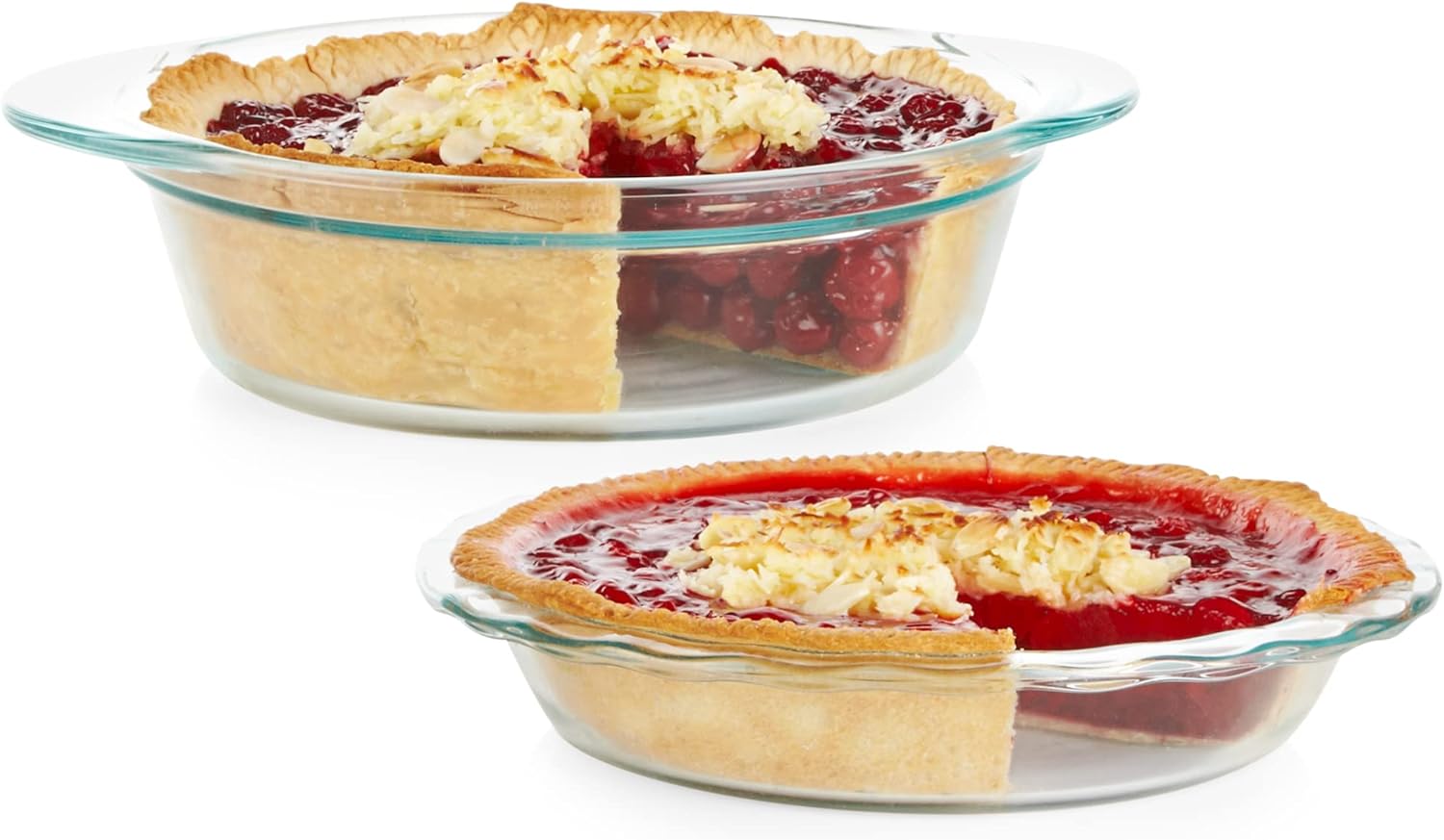
Choosing the right material heavily influences how your pastry crust browns during baking. Ceramic stoneware and porcelain absorb heat steadily, promoting even baking without destructive hot spots. Tempered glass lets you observe bottom crust color directly through the dish. Metal options heat up very rapidly, offering dependable structural durability for everyday fruit and dessert recipes in busy home kitchens.
Each construction material demands different handling habits. Ceramic and glass retain heat longer but require protection from sudden thermal shock. Metal pans resist breaking entirely but can cause rapid browning if baking times are not monitored closely. Matching the material to your personal baking style ensures consistent texture and reliable results across various sweet and savory recipes.
Capacity And Depth Requirements
Deep dish pie pans are specifically engineered to accommodate towering fruit fillings and rich savory quiches without overflowing. Standard plates often lack the vertical space needed for generous holiday recipes. Selecting a pan with a depth of two and a half inches or more ensures your ingredients stay securely inside the vessel while bubbling away in a hot oven during long baking cycles.
Reviewing the stated fluid capacity or depth measurements helps prevent recipe overflow issues. A deeper pan requires adjustments to standard ingredient amounts so that your fillings reach the correct proportion relative to the crust. Taking time to verify dimensions ensures your favorite culinary creations fit properly without making a mess inside your oven cavity.
Rim Design And Crust Crimping
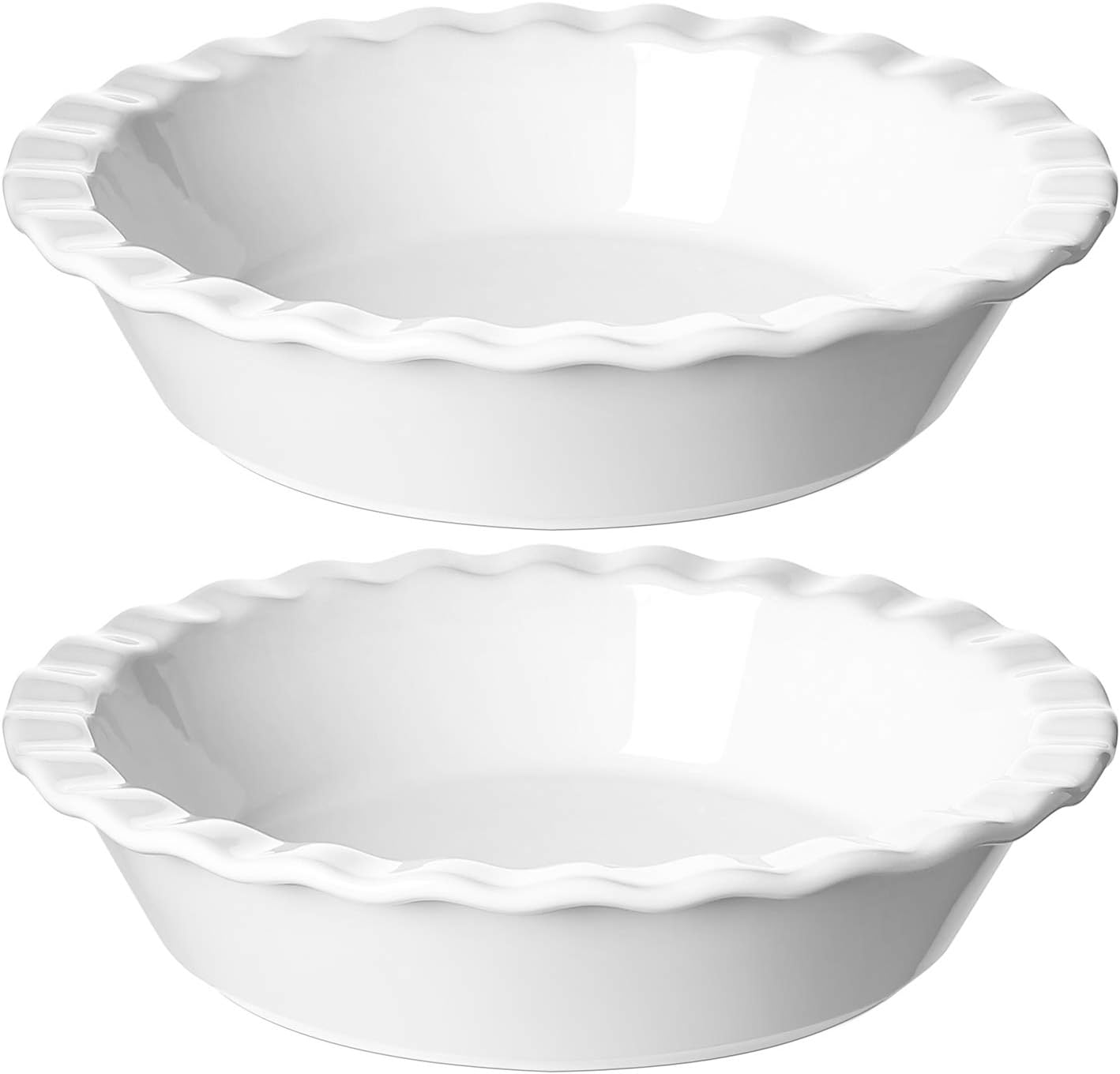
The outer rim shape plays a significant role in both food preparation and safe handling. Fluted or ruffled edges serve as a built-in guide when you press and crimp pastry dough to form decorative scalloped crusts. Furthermore, these textured borders provide a secure purchase for oven mitts when you lift heavy, fully loaded baking dishes out of a hot oven safely.
Non-fluted designs often feature wide, smooth handles instead, offering alternative grip points for transporting meals. Consider whether you prefer a traditional decorative edge for crimping dough or a simplified profile with extended handles. Your choice impacts how easily you can shape beautiful pastry crusts and move the hot pan to the dining table.
Temperature Range And Storage Versatility
Modern baking dishes frequently offer multi-environment versatility that goes far beyond simple oven use. Many ceramic and glass models withstand high oven temperatures while also handling microwave reheating and freezer storage safely. This allows you to prep make-ahead dessert fillings, freeze unbaked pies, and bake them later without needing to transfer food between multiple different kitchen containers during busy days.
Always check upper temperature limits and thermal shock guidelines provided by the manufacturer before moving dishes between extreme environments. Allowing chilled stoneware or glass to warm up slightly prevents cracking. Utilizing a versatile dish that transitions seamlessly from freezer to oven simplifies your meal preparation routine and reduces overall kitchen cleanup chores significantly.
Cleaning And Maintenance Convenience
Cleanup convenience is a vital factor for everyday kitchen efficiency. Many ceramic, glass, and metal pie pans feature dishwasher-safe construction or naturally non-stick glazed surfaces that release baked slices cleanly. This prevents stubborn burnt sugar or melted cheese from clinging permanently to the bottom of the dish, reducing the amount of scrubbing required after family dinners and holiday gatherings.
Hand washing may still be recommended for certain nonstick coatings or delicate decorative finishes to preserve their appearance over years of use. Reviewing product care instructions helps you maintain the lifespan of your bakeware. Choosing easy-to-clean surfaces ensures you spend less time working at the sink and more time enjoying meals with family and friends.
Table Presentation And Serving Style
A well-designed deep dish pie pan often doubles as an attractive serving vessel that looks right at home on the dining table. Bright glazed ceramic finishes and classic clear glass dishes complement various table settings, ranging from farmhouse styles to traditional holiday spreads. Bringing the pan directly from the oven to the table saves time and enhances the visual presentation of your bakes.
Consider whether you intend to serve guests directly from the bakeware or transfer slices onto separate dessert plates. Decorative rims and elegant finishes elevate the dining experience when presenting homemade fruit pies or savory quiches. Selecting a visually appealing dish ensures your culinary efforts receive the beautiful presentation they deserve during special celebrations.
Frequently asked questions
What makes a deep dish pie pan different from a standard pie plate?
A deep dish pie pan features taller vertical sides, typically measuring between two and three inches in depth, compared to shallower traditional plates. This extra height provides significantly more room for generous fruit fillings, thick custard mixtures, and savory quiches without risking messy overflows during baking. The increased capacity allows home bakers to load up on ingredients for family gatherings and holiday dinners. However, standard recipes may require slight adjustments in filling amounts to match the larger vertical volume of a deep dish pan.
Can ceramic and glass pie dishes go straight from the freezer into a hot oven?
Most ceramic and glass bakeware materials require caution when experiencing rapid temperature shifts to avoid thermal shock and potential cracking. While many glazed ceramics and tempered glass dishes are rated for freezer and oven use, it is generally best to let a chilled dish warm up toward room temperature before placing it into a preheated oven. Always check specific manufacturer instructions regarding temperature limits. Placing cold stoneware onto a protective trivet or allowing gradual warming prevents damage during high-temperature baking sessions.
How do I prevent my pie crust from sticking to the bottom of the pan?
Preventing crust adherence depends largely on the surface finish of your chosen baking dish. Naturally non-stick glazed ceramic surfaces and coated metal pans generally release baked slices cleanly with minimal preparation. For glass or uncoated stoneware, lightly greasing the interior with butter or oil before laying down your pastry dough helps ensure easy removal. Additionally, allowing the baked pie to cool slightly before slicing lets the filling set, which keeps individual portions intact and prevents messy sticking on the serving plate.
Are deep dish pie pans suitable for savory recipes like chicken pot pie or quiche?
Deep dish pie pans are exceptionally well-suited for savory meals like chicken pot pie, shepherd’s pie, and rich quiches. Their generous capacity easily accommodates heavy layers of meat, vegetables, cheese, and liquid egg mixtures without spilling over the outer rim. Ceramic and glass options retain heat effectively, helping to bake thick savory fillings thoroughly while crisping the pastry crust. Preparing savory bakes in a deep dish pan is a practical way to create satisfying, hearty main courses for family dinners.
How should I clean and maintain my ceramic or glass bakeware?
Maintaining ceramic and glass bakeware usually involves washing with warm soapy water or placing the dish in the dishwasher if specified by the manufacturer. Avoid using abrasive metal scouring pads that can scratch glazed surfaces or dull clear glass over time. For stubborn baked-on food residues, soaking the pan in warm water before washing helps loosen debris without harsh scrubbing. Always let hot dishes cool down completely before washing to prevent thermal stress and preserve the longevity of your kitchen bakeware.