Appliances · Buying Guide
Best Deep Dish Pie Pan Options for Flaky Crusts and Family Baking
Baking a tall, fruit-filled dessert requires a reliable deep dish pie pan to contain overflowing fillings and maintain a perfectly baked pastry crust. Choosing the right bakeware involves carefully balancing traditional materials like heavy steel, tempered glass, and durable ceramic to match your preferred baking style, recipe requirements, and everyday kitchen routine.
Different designs offer unique structural advantages, ranging from wide handles and fluted rims to nonstick interiors and high temperature tolerances. Reviewing the available product options helps home bakers select a suitable baking dish that fits their favorite recipes, oven capacities, and serving preferences for cozy family dinners, casual entertaining, and festive holiday celebrations.
As an Amazon Associate, StacyLaughs earns from qualifying purchases.
Buying guide
Material Selection for Baking
Choosing the correct material for your deep dish pie pan significantly affects how your crust browns and how long your dessert retains heat. Metal pans, particularly aluminum steel variants, conduct heat rapidly and promote quick baking times. They are lightweight and durable, making them a staple in busy kitchens. However, metal lacks the decorative appeal of ceramic or glass alternatives.
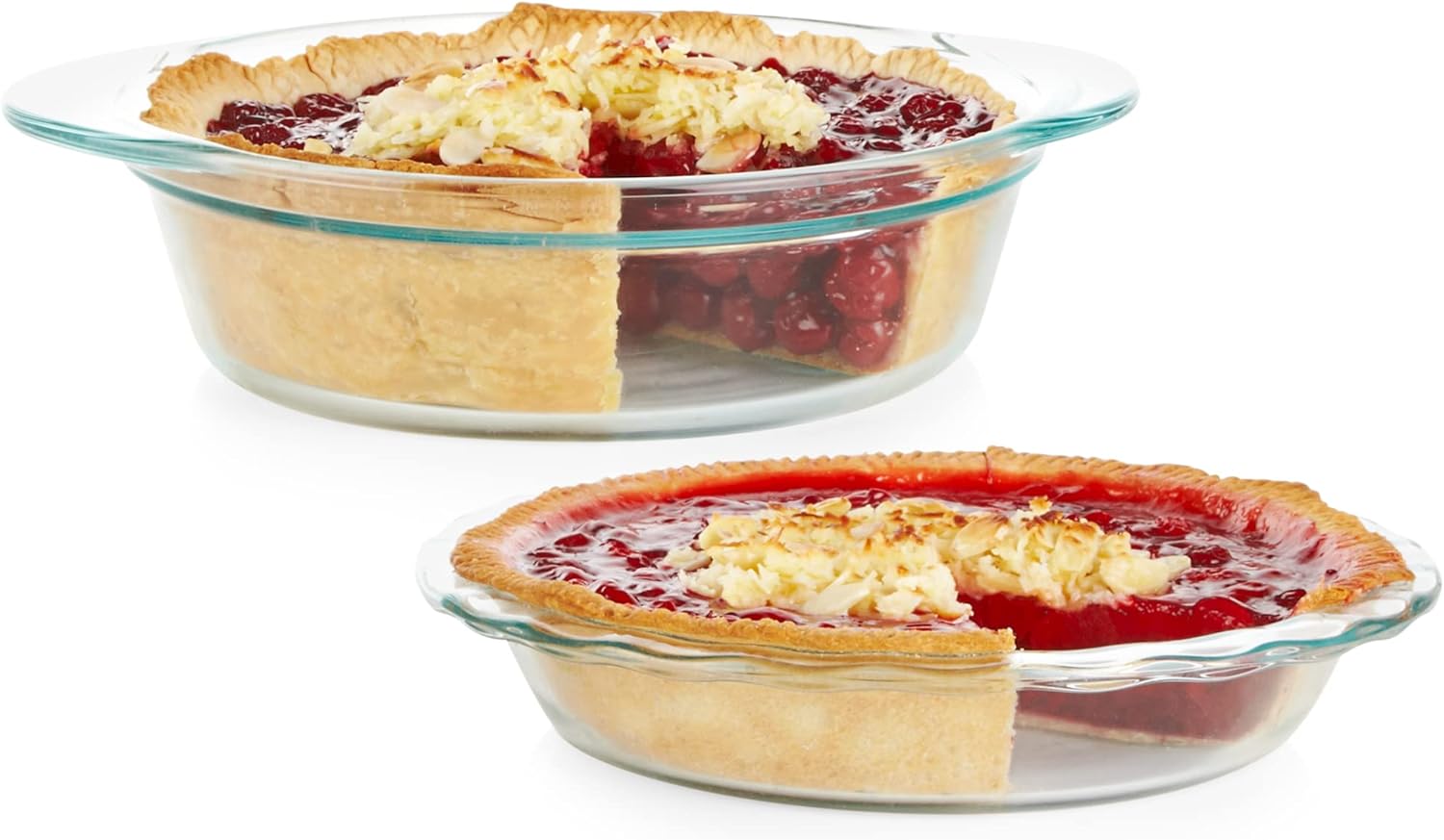
Glass and ceramic options provide slower, steadier heat distribution. Glass lets you monitor bottom crust browning visually, while ceramic stoneware offers exceptional heat retention and charming table presentation. Selecting the right material depends on whether you prioritize rapid baking speed, visual progress monitoring, or seamless oven-to-table serving capability for guests.
Sizing and Capacity Considerations
Deep dish baking requires careful attention to pan dimensions to prevent overflows and structural collapses. Standard pans usually measure nine inches, while larger options expand to nine and a half or ten inches with increased vertical depth. A deeper profile prevents rich fruit fillings or heavy quiche mixtures from spilling over the edges into your oven floor during the baking cycle.
Matching the pan size to your family recipe ensures the proper ratio of crust to filling. Smaller households may find standard nine-inch pans adequate for everyday meals, whereas larger gatherings benefit from extra-capacity stoneware or glass dishes. Always review the stated diameter and depth metrics to guarantee compatibility with your existing oven racks and storage space.
Rim Designs and Crust Crimping
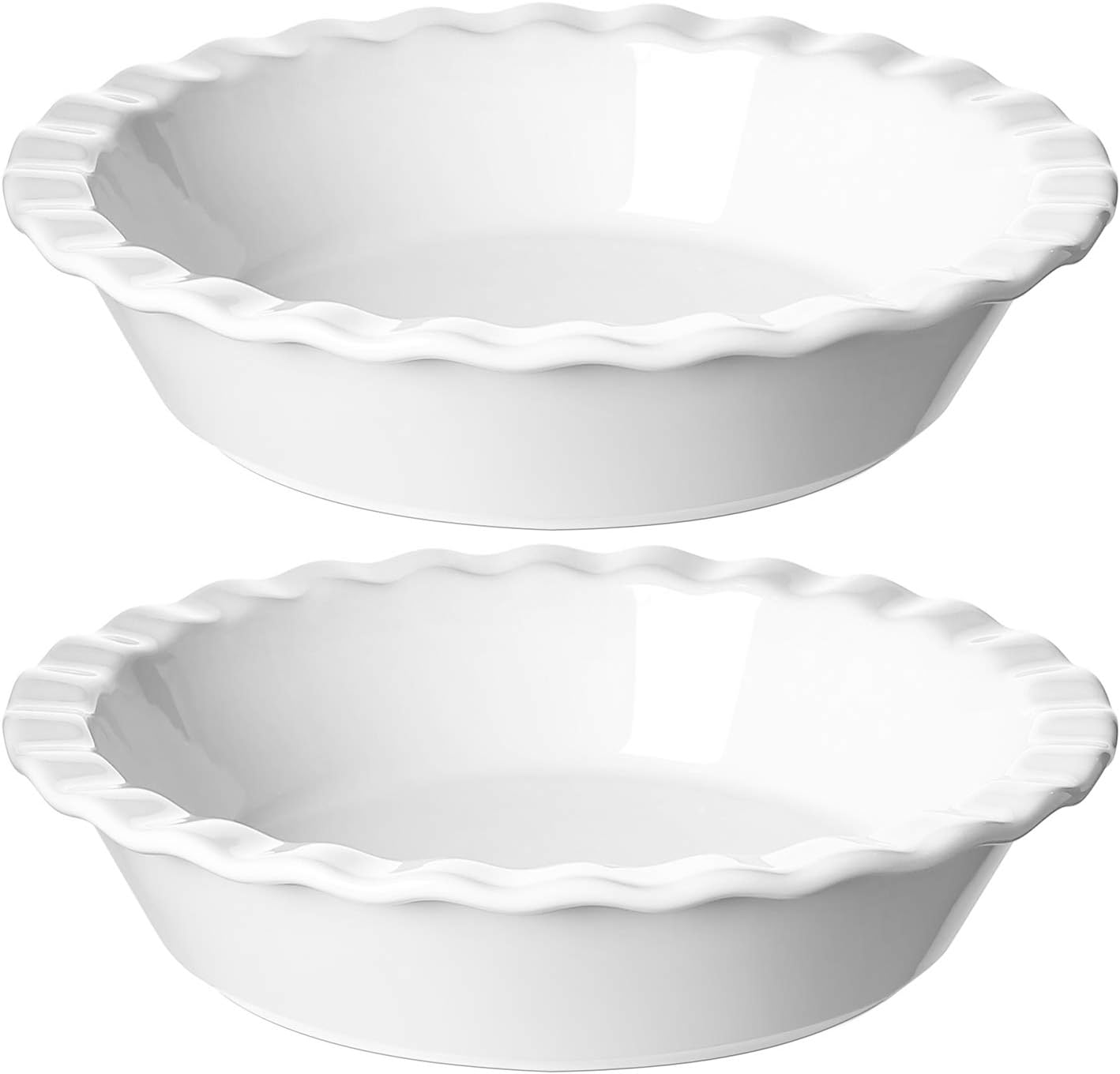
The rim design of a pie pan plays a crucial role in shaping decorative pastry crusts and ensuring a secure grip during transport. Fluted rims and wave-edge patterns provide built-in guides for crimping dough edges uniformly. This feature helps seal fruit fillings inside while creating an attractive, professional appearance along the perimeter of the baked pastry.
Beyond aesthetics, wide rims and integrated handles offer practical safety benefits. Moving a heavy, hot glass or ceramic dish from the oven rack to a trivet requires a dependable handhold. Pans featuring extended lips or textured edges minimize slip risks, giving bakers greater confidence when handling high-temperature dishes filled with bubbling syrups or hot melted cheese.
Cleaning and Maintenance Guidelines
Maintaining your bakeware properly extends its lifespan and preserves its nonstick or glazed surfaces over years of regular use. Many modern metal and ceramic pans feature dishwasher-safe construction, simplifying post-baking cleanup routines. However, certain stoneware items specify manual hand washing with warm water and mild detergent to protect delicate finishes from harsh automated detergents and high-heat drying cycles.
Low-porosity materials naturally resist staining and prevent food odors from lingering after repeated washing. Avoid using abrasive scouring pads on nonstick metal or glazed ceramic surfaces to prevent scratching the protective layers. Following manufacturer maintenance instructions ensures your bakeware remains reliable, clean, and visually appealing for future culinary projects and family celebrations.
Heat Tolerance and Thermal Shock
Understanding the upper temperature rating of your bakeware prevents cracking and ensures safe performance across different kitchen appliances. Ceramic and glass dishes often support baking temperatures up to specific limits, while heavy-gauge steel pans can handle higher direct heat environments. Always verify maximum temperature specifications before transitioning cookware between freezing storage and preheated ovens.
Thermal shock occurs when sudden temperature changes cause materials like glass or ceramic to fracture. Using tempered glass or heat-safe stoneware designed for thermal transitions minimizes this risk. Allowing pans to cool gradually on a wire rack rather than placing them on cold surfaces protects the structural integrity of your favorite baking dishes during intensive meal preparation.
Storage and Kitchen Integration
Storing multiple baking pans efficiently requires evaluating their physical footprint and stackability within kitchen cabinets or pantry shelves. Ten-inch wide stoneware dishes demand more lateral storage space compared to standard nine-inch metal or glass pie plates. Assessing your available cupboard space before purchasing prevents cluttered shelves and makes accessing your preferred bakeware much easier.
Consider whether your bakeware nests easily with other items or requires dedicated vertical storage slots. Glass sets and matching ceramic dishes often stack securely if they feature compatible rim designs. Integrating your pie pans logically into your kitchen workflow guarantees they remain protected from accidental chips while staying readily accessible for spontaneous weekend baking projects.
Frequently asked questions
What makes a deep dish pie pan different from a standard pie plate?
A deep dish pie pan features significantly taller vertical walls compared to a traditional pie plate, allowing bakers to add more fruit fillings, custard, or savory ingredients without risking overflows. This extra depth is essential for hearty recipes like apple pies, quiches, and chicken pot pies. The increased capacity also helps maintain the proper structural balance between pastry crust and dense fillings, ensuring even baking throughout the entire dessert while containing bubbling juices safely inside the rim during high-temperature oven cycles.
Can ceramic pie pans go directly from the freezer to a hot oven?
Most ceramic and stoneware dishes require careful temperature transitions to prevent thermal shock, which can cause the material to crack or fracture. While certain glass and ceramic items are rated for freezer-to-oven use, it is generally safer to let frozen dishes thaw partially or follow the specific manufacturer guidelines provided. Consulting the upper temperature rating and care instructions helps protect your bakeware from sudden temperature extremes, ensuring long-term durability and safe performance during meal preparation and holiday baking sessions.
How do I prevent my pie crust from sticking to a metal pan?
Metal pans often feature nonstick interior coatings designed to release baked goods easily and simplify cleanup routines. To further prevent sticking, you can lightly grease the interior surface with butter or shortening, or dust it with a thin layer of flour before adding your pastry dough. Ensuring the pan is clean and free of baked-on residue prior to use also improves food release. Selecting heavy-gauge steel pans with quality nonstick coatings helps maintain smooth crust removal across repeated baking cycles.
Are glass pie pans better than ceramic or metal options?
Glass pans offer unique advantages, such as allowing bakers to monitor the bottom crust browning visually through transparent material. They retain heat well and distribute it evenly across tempered surfaces. However, glass is heavier than metal and requires cautious handling to prevent chipping. Ceramic provides excellent thermal retention and beautiful table presentation, while metal conducts heat rapidly for quick baking times. The best choice depends on your personal baking preferences, desired crust texture, and whether you plan to serve food directly from the pan.
How should I clean and maintain my stoneware pie dish?
Maintaining a stoneware pie dish depends on the manufacturer care instructions specified for that particular model. Many ceramic and stoneware pieces are labeled dishwasher safe, while others require manual hand washing with warm water and a mild detergent. Avoid using abrasive scouring pads or harsh metal utensils that can scratch glazed surfaces. Storing your dishes carefully in a dry cabinet prevents accidental chipping and keeps your low-porosity stoneware looking pristine for everyday baking and special family gatherings.