Appliances · Buying Guide
Best Dishwasher Safe Baking Sheet Options for Every Kitchen Task
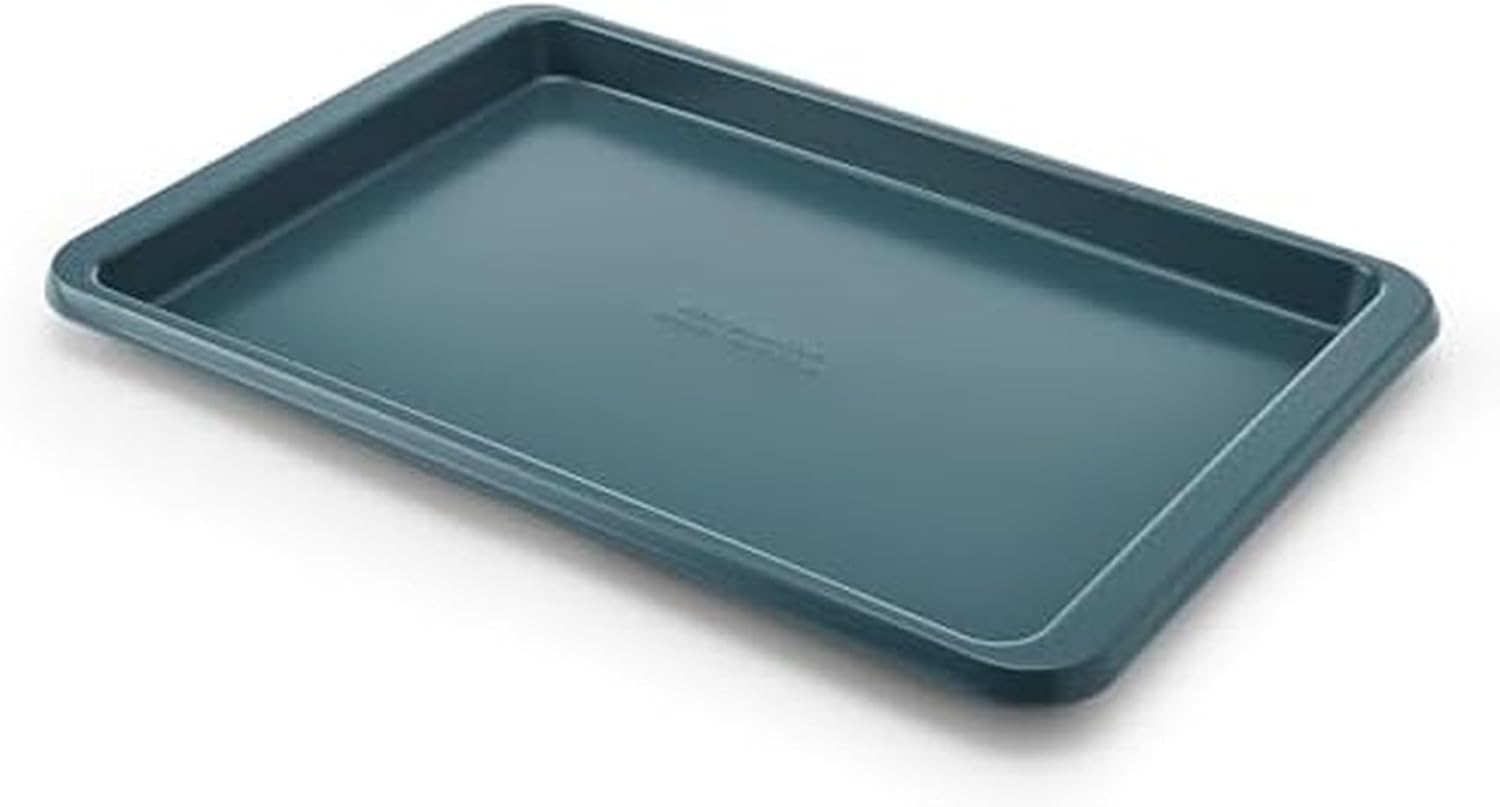
Finding the right baking sheet involves balancing material choices, sizing needs, and cleanup convenience. Whether you are roasting vegetables, baking cookies, or preparing single-portion snacks, having durable pans simplifies daily kitchen routines. Many modern bakeware options feature dishwasher-safe designs to reduce post-cooking effort while maintaining sturdy construction across various heating tasks.
Carbon steel, stainless steel, and aluminized steel offer distinct advantages depending on your preferred cooking methods and maintenance habits. Multi-size sets provide versatile coverage for different oven capacities and meal types. Examining specific dimensions, edge styles, and surface coatings helps you select reliable baking sheets tailored to your household recipes.
As an Amazon Associate, StacyLaughs earns from qualifying purchases.
Buying guide
Material Composition and Heat Distribution
Selecting the appropriate baking sheet material directly influences how evenly your everyday recipes cook in the oven. Carbon steel and heavy-duty aluminized steel options conduct thermal energy efficiently, promoting consistent browning across cookies, roasted vegetables, and sheet cakes. These metals distribute heat uniformly across the entire base, reducing hot spots that can burn delicate foods during longer baking cycles.
Alternatively, pure stainless steel provides a robust, chemical-free cooking surface that resists rust and withstands high temperatures without releasing unwanted substances. Because each metal type responds uniquely to thermal shifts, evaluating your preferred cooking temperatures and favorite recipes helps determine whether a responsive steel core or an inert stainless surface best serves your household kitchen.
Surface Coatings and Food Release
Surface coatings play a significant role in how easily baked goods release from the pan after cooking. Nonstick formulas prevent sticky doughs and caramelized sugars from bonding to the metal, allowing cookies and roasted items to slide off smoothly. Many modern baking sheets incorporate PTFE-free and PFOA-free coatings to ensure safe food preparation while maintaining effortless cleaning performance after every meal.
On the other hand, uncoated metal surfaces require traditional preparation methods like greasing or parchment paper lining to achieve comparable release results. While uncoated stainless steel eliminates concerns about coating wear over time, nonstick variants save considerable effort during post-cooking cleanup routines by minimizing stuck-on residues. Assessing your preference for applied coatings versus bare metal simplifies your buying decision.
Sizing and Oven Compatibility
Matching baking sheet dimensions to your oven interior and daily cooking volume prevents frustrating fit issues. Standard multi-size sets typically include small, medium, and large pans, giving you flexible options for toaster ovens, half-sheet spaces, and compact snack preparations. Checking your oven rack measurements beforehand ensures that larger pans slide in smoothly without jamming against the back wall or side panels.
Single-size pans offer dedicated solutions for specific recipes like standard 9 by 13-inch sheet cakes, but multi-piece bundles provide greater versatility for multi-course meal preparation. Consider whether you frequently bake large batches for family gatherings or prefer preparing smaller portions for single-person meals when selecting your ideal pan dimensions and overall set quantity.
Edge Design and Spill Prevention
The edge design of a baking sheet affects both structural rigidity and liquid containment during transport. Rolled edges reinforce the perimeter of the pan, helping it resist warping when exposed to high oven temperatures. This thickened border also provides a secure barrier that prevents juicy roasts or runny sauces from spilling over the sides and onto your oven floor.
Straight or slightly angled rims maximize the flat interior surface area, making it easier to slide spatulas underneath baked cookies or flat pastries. Evaluating how often you cook juicy meats versus dry baked goods helps determine whether you need deep, reinforced rims or shallow edges for your daily kitchen tasks.
Cleaning and Maintenance Requirements
Dishwasher-safe baking sheets offer exceptional convenience for busy households seeking to minimize manual cleanup effort after cooking. Many modern pans feature seamless construction and smooth interior corners where food debris cannot hide, allowing dishwasher cycles to sanitize the surface thoroughly. However, manufacturers frequently recommend hand washing for coated carbon steel pans to preserve nonstick longevity.
Balancing your desire for automated dishwasher cleaning against the long-term maintenance needs of specialized coatings is an important practical consideration. Uncoated stainless steel pans typically handle rigorous dishwasher cycles without risking surface degradation, making them ideal for cooks who prefer low-maintenance cleanup routines over protective hand-washing practices for delicate kitchenware.
Handle Design and Safe Transport
Transporting hot baking sheets safely out of a hot oven requires reliable grip support and thoughtful design features. Extended metal handles provide extra surface area for oven mitts, giving you stable control when lifting heavy or loaded pans. Some models incorporate silicone grips on the handles to enhance friction and prevent slipping during transit.
Rim configurations also contribute to secure handling by offering stable ledges to grasp when wearing bulky protective mitts. Reviewing how handles are integrated into the pan structure ensures you can move hot meals confidently from the oven rack to your kitchen countertop without accidental drops or spills.
Frequently asked questions
Can I put nonstick baking sheets in the dishwasher?
Many modern nonstick baking sheets are labeled as dishwasher safe, allowing for convenient cleanup after meal preparation. However, manufacturers often recommend hand washing carbon steel or coated pans with mild soap and warm water to extend the lifespan of the nonstick surface. Running coated pans through aggressive dishwasher cycles repeatedly can accelerate wear and diminish food release performance over time. Reviewing specific product care instructions helps you determine whether occasional machine washing or consistent hand washing suits your maintenance preferences.
What is the difference between carbon steel and stainless steel baking sheets?
Carbon steel baking sheets typically feature applied nonstick coatings and excellent heat distribution properties, making them ideal for uniform browning and easy food release. They require gentle care to protect the coating from scratches and warping. In contrast, pure stainless steel pans contain no chemical coatings, offering a robust and rust-resistant surface that withstands very high oven temperatures. While stainless steel is exceptionally durable and dishwasher friendly, it lacks built-in nonstick qualities, requiring parchment paper or oil greasing for sticky foods.
Do stainless steel baking sheets warp in the oven?
Quality stainless steel baking sheets equipped with thickened rolled edges and robust construction resist warping effectively under standard high baking temperatures. The reinforced rim design adds structural rigidity across the pan, preventing it from twisting when exposed to intense heat. While extremely thin or low-grade metal might flex during thermal shifts, well-constructed stainless steel pans maintain their flat shape through repeated roasting and baking cycles, ensuring even cooking results across your favorite recipes and meal preparations.
Are baking sheets with silicone handles safe for high-heat ovens?
Baking sheets featuring silicone handles are designed to withstand specific maximum temperature ratings set by the manufacturer, typically around 446 degrees Fahrenheit. The silicone grips provide a confident, heat-resistant grasp for moving pans safely out of the oven while wearing protective mitts. It is essential to verify the upper temperature limit of your specific pan before using it for high-heat roasting tasks to prevent damaging the silicone components or releasing unpleasant odors during cooking.
How do I prevent food from sticking to uncoated metal pans?
Preventing food from sticking to uncoated metal pans like pure stainless steel requires traditional preparation techniques such as applying a thin layer of cooking oil, butter, or vegetable shortening before adding ingredients. Alternatively, lining the baking sheet with parchment paper or a silicone baking mat creates a reliable barrier that stops sticky doughs and caramelized sugars from bonding directly to the metal surface. These simple preparation steps ensure effortless food removal and simplify your post-cooking cleanup routine.