Appliances · Buying Guide
Best dollar tree measuring cup alternatives and kitchen tools for accurate baking
Finding an affordable option like a dollar tree measuring cup can simplify basic baking tasks without straining your budget. Many home cooks look for simple, lightweight tools to measure dry and liquid ingredients effortlessly during everyday meal preparation and baking projects.
When basic plastic or glass tools are needed, exploring various features like volume capacities, graduation markings, and materials helps match your specific cooking style. Reviewing available designs ensures you select a practical measuring accessory that fits your daily routine and storage space.
As an Amazon Associate, StacyLaughs earns from qualifying purchases.
Buying guide
Material Selection and Durability
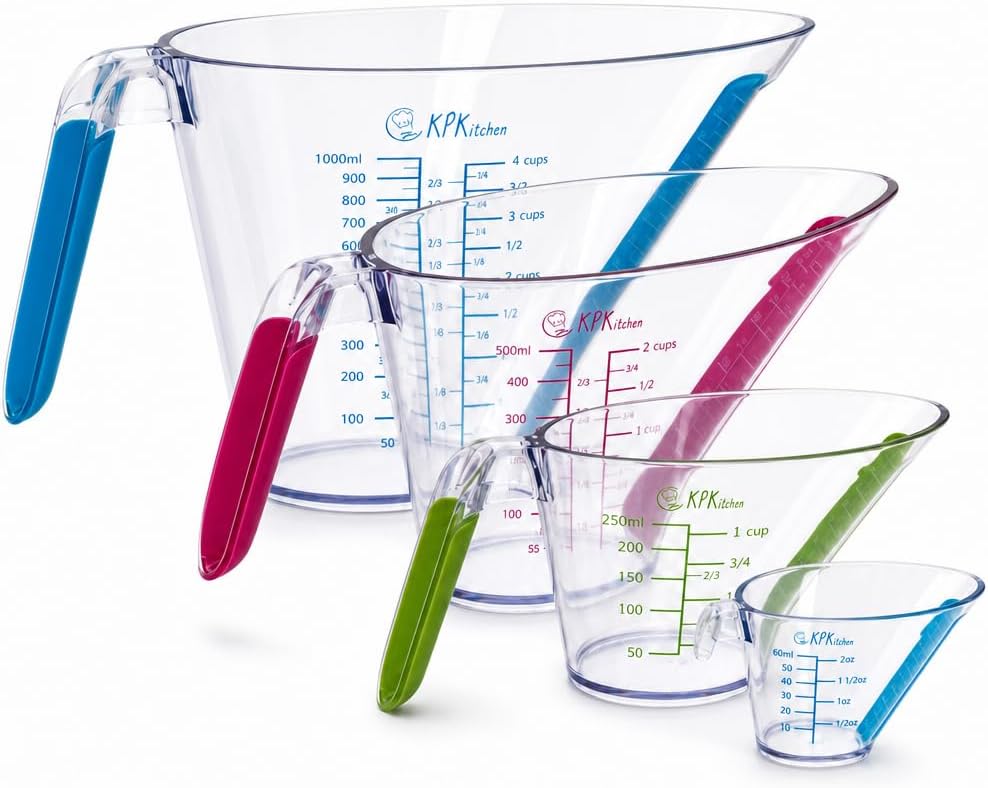
Choosing between plastic and glass materials depends heavily on your daily cooking habits, storage preferences, and household routines. Plastic measuring tools offer lightweight handling, drop resistance, and easy portability around busy kitchen counters. They work exceptionally well for quick everyday tasks and families seeking affordable, shatter-resistant maintenance options.
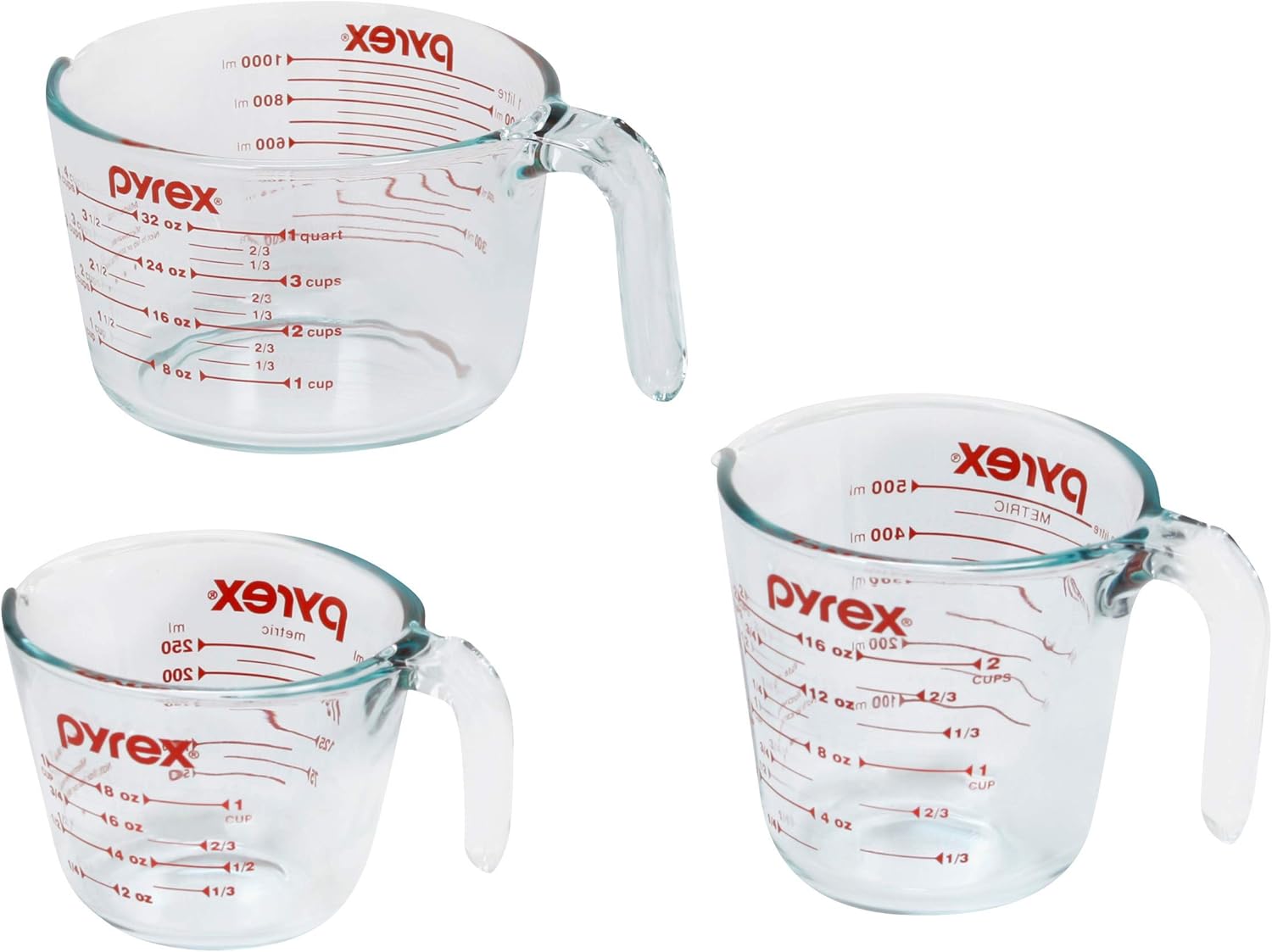
Glass alternatives provide a sturdy, non-porous surface that completely resists absorbing food odors, discoloration, or lingering flavors over years of frequent use. Tempered and borosilicate glass varieties also tolerate high temperatures from microwaves and preheated ovens without warping. Consider your specific storage space, cleaning routine, and physical strength before making a final material decision for your kitchen.
Capacity and Volume Ranges
Selecting the right capacity ensures you always have the correct tool for every recipe, whether you are baking small desserts or preparing large family dinners. Single-cup tools handle minor liquid additions, melted butter, and individual portions efficiently. Larger multi-cup sets accommodate voluminous batters, savory broths, and complex multi-step recipes requiring diverse ingredient quantities simultaneously without pause.
Purchasing a set with multiple graduated sizes prevents the frustrating hassle of repeatedly washing a single cup during complicated baking projects. Assess your typical meal sizes, baking frequency, and counter space to determine whether a compact single vessel or a nested multi-piece set best satisfies your daily food preparation requirements and storage limits.
Measurement Markings and Readability
Clear measurement markings are essential for preventing baking errors caused by misread liquid levels or incorrect dry ingredient quantities. Look for bold typography and contrasting ink colors that stand out clearly against the cup body. Raised embossed numbers also prevent fading over extended periods of heavy dishwasher washing and daily kitchen use.
Dual-unit graduations featuring both standard and metric systems provide maximum versatility when following international cookbook instructions or traditional family recipes. Angled interior surfaces offer another highly convenient viewing method, allowing you to check fluid levels directly from above without constantly bending down to eye level during busy baking sessions and prep work.
Storage and Nesting Design
Kitchen cabinet space is frequently limited, making stackable and nestable measuring tools a remarkably smart choice for efficient home organization in any busy residential household. Sets that fit neatly inside one another reduce countertop clutter and free up valuable shelf room for other essential cookware items, baking pans, and pantry supplies.
Carefully consider the physical footprint of your measuring cups before purchasing large glass sets or bulky multi-piece configurations. Simple stacking designs streamline daily cleanup routines and ensure your tools remain neatly contained within designated drawers or crowded kitchen cabinets between baking sessions, maintaining an orderly environment without wasting limited storage capacity.
Ease of Cleaning and Maintenance
Maintaining proper kitchen hygiene requires choosing measuring cups that clean effortlessly by hand or withstand regular dishwasher cycles without damage. Non-porous materials resist stubborn staining, surface scratching, and odor retention, ensuring your tools stay fresh and ready for the next recipe without lingering food tastes from previous baking projects or savory meal preparation tasks.
Always check manufacturer cleaning guidelines to ensure your chosen cups handle hot water, sanitizing cycles, and dishwashing detergents safely without warping or degrading over time. Removable silicone seals, protective lids, or adjustable internal components should also be remarkably easy to disassemble for thorough washing after handling sticky ingredients like honey, syrup, or peanut butter daily.
Specialized Uses and Pour Control
Certain baking recipes demand specialized measuring features like precision spouts, comfortable ergonomic handles, or sealed lids to prevent messy liquid spills across your clean kitchen countertops. Angled cups simplify top-down measurement reading for liquids, while adjustable cylindrical bases excel at handling viscous ingredients without leaving residue behind in the vessel during transfer processes.
Carefully evaluate whether you need standard open-top measuring tools or advanced multi-functional designs tailored for specific ingredients before finalizing your purchase decision today. Matching these physical design features to your regular baking and cooking routine guarantees a significantly smoother, cleaner, and more efficient food preparation experience overall in any busy home kitchen.
Frequently asked questions
Can plastic measuring cups be placed in the dishwasher?
Many plastic measuring cups are designed to be dishwasher safe, allowing for convenient cleanup after everyday baking tasks. However, it is always recommended to review the manufacturer cleaning guidelines provided with your specific product. Placing plastic items on the top rack can often help prevent warping from heating elements. If your cups feature delicate printed markings rather than embossed numbers, hand washing with mild soap and warm water may help preserve the clarity of the graduation lines over extended periods of frequent kitchen use.
What is the benefit of using glass measuring cups?
Glass measuring cups offer a durable, non-porous surface that will not absorb food odors, flavors, or stains from ingredients like tomato sauce or turmeric. They tolerate high temperatures exceptionally well, making them suitable for warming liquids in the microwave or baking in preheated ovens. Furthermore, tempered or borosilicate glass provides a sturdy weight that prevents tipping during vigorous stirring. Their clear construction also allows for easy visibility of contents from all sides, supporting precise ingredient monitoring during food preparation.
How do angled measuring cups work?
Angled measuring cups feature a special interior stepped or slanted surface with measurement markings printed directly on the inside ledge. This clever design allows you to look straight down into the cup from above to read fluid levels, eliminating the need to bend down or lift the cup to eye level. As you pour liquids into the vessel, the measurement lines become immediately visible from a standing position, speeding up liquid measuring tasks and reducing mistakes during busy baking routines.
Are adjustable measuring cups good for sticky ingredients?
Adjustable measuring cups are particularly well-suited for sticky ingredients like peanut butter, honey, syrup, and shortening. Their internal movable base typically includes a tight seal that acts like a squeegee as you push it upward, scraping the interior walls clean. This mechanism ensures that you capture every last drop of thick substances without needing a spatula, making measuring viscous items much cleaner and reducing ingredient waste during recipe preparation and baking.
Do measuring cups include both metric and US measurements?
Many measuring cups feature dual-unit graduations displaying both standard US measurements such as cups, ounces, and tablespoons alongside metric units like milliliters and deciliters. This dual-marking system provides excellent versatility when following international recipes or traditional family cookbooks. When selecting a measuring tool, checking the graduation markings ensures you can effortlessly follow instructions requiring either system without needing separate conversion charts on your kitchen counter during cooking projects.