Appliances · Buying Guide
Best Dough Proofing Container with Lid Options for Home Bakers
Baking great bread, artisan pizza, and delicate pastries at home requires careful attention to fermentation conditions and ambient control. Choosing the right dough proofing container with lid helps maintain proper moisture levels while your dough rises, preventing undesirable dry crusts from forming on the surface during extended fermentation cycles without requiring damp towels.
Different structural materials, capacities, and sealing styles offer distinct advantages depending on your specific kitchen setup, available storage space, and regular baking routine. Whether you are managing single dough balls for individual pizzas or large batches for family meals, understanding the precise design features of each container ensures better fermentation results across various recipes.
As an Amazon Associate, StacyLaughs earns from qualifying purchases.
Buying guide
Material Selection and Durability
Choosing the correct material for your proofing container significantly impacts long-term durability and daily maintenance routines. Plastic models offer lightweight handling and dependable resistance to impact, making them popular choices for casual home baking. Stainless steel variants resist stains, cracking, and lingering food odors completely, providing a robust investment for frequent use. Silicone options introduce flexible convenience combined with integrated steel reinforcement frames for added structural stability.
Polycarbonate containers deliver commercial-grade toughness across wide temperature extremes, supporting rigorous daily demands in busy kitchens. Evaluating how frequently you bake, your preferred sanitation routine, and your storage space helps determine whether lightweight plastic, rigid metal, flexible silicone, or heavy-duty polycarbonate best matches your household capabilities.
Capacity and Size Considerations
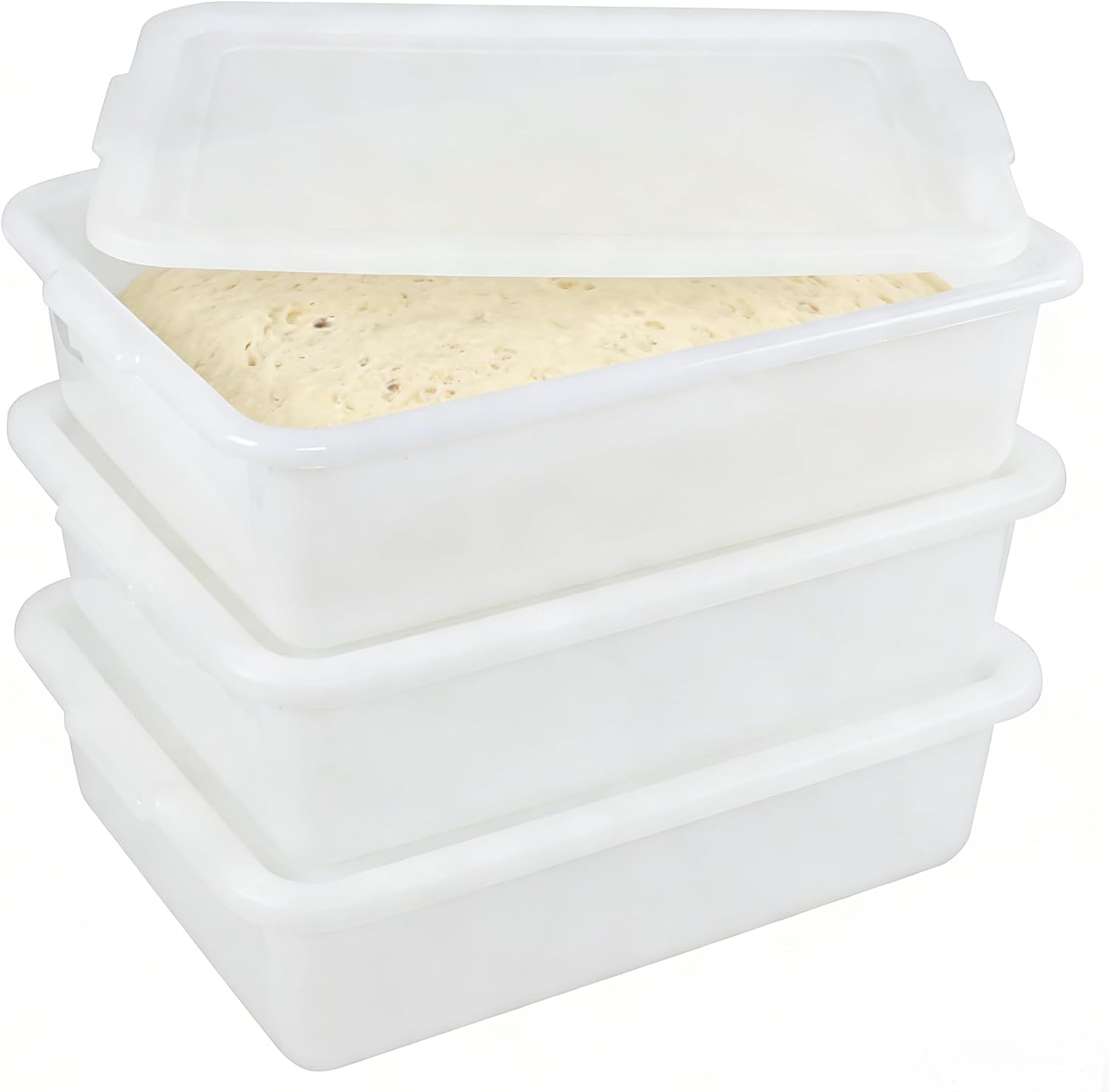
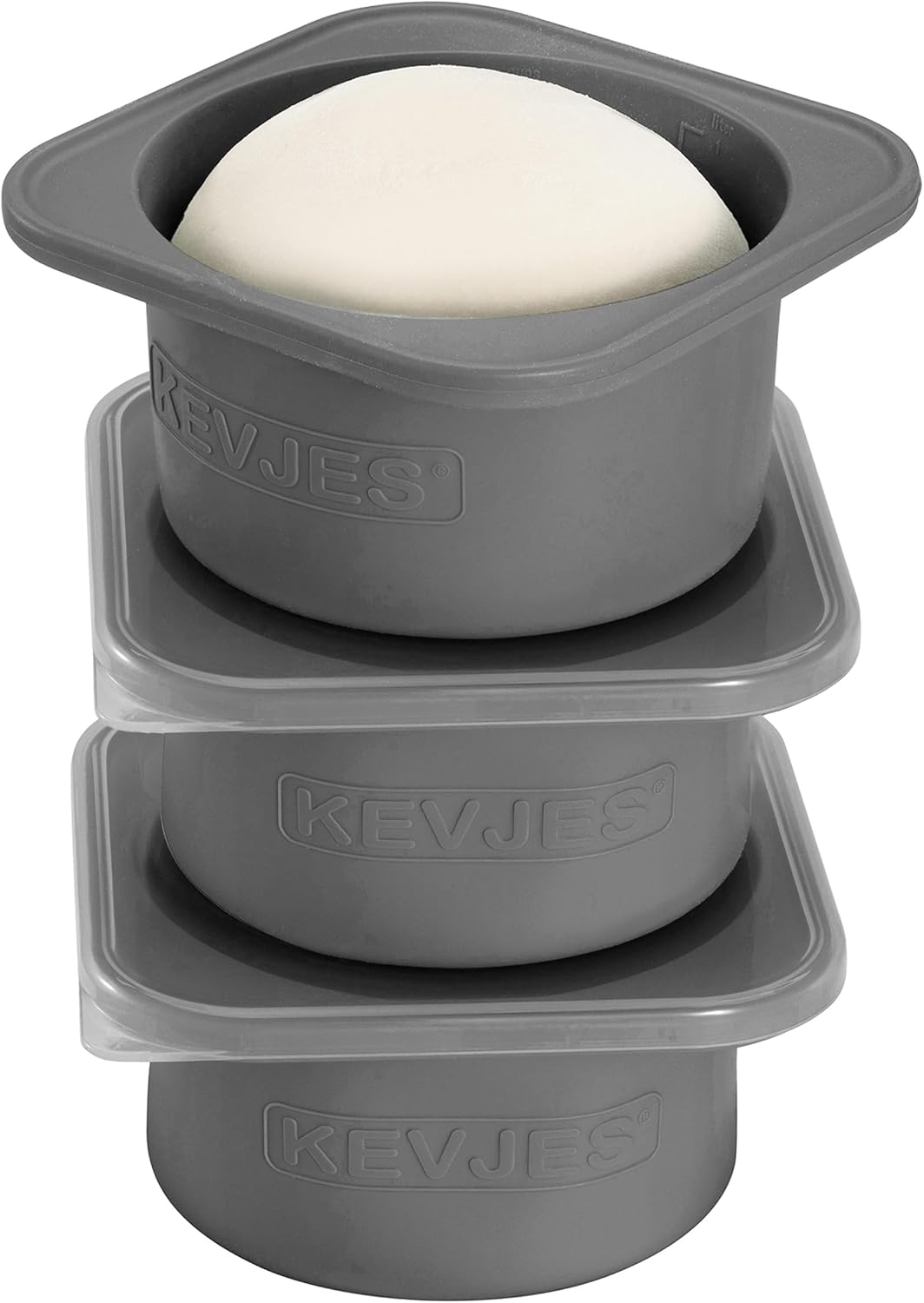
Container capacity dictates how much dough you can prepare and ferment during a single baking session in your kitchen. Smaller vessels holding around one liter work exceptionally well for individual dough balls intended for single-family pizzas. Larger thirteen-quart boxes or six-quart square containers accommodate mass fermentation of multiple portions or extensive bread batches simultaneously without overcrowding interior surfaces.
Matching container dimensions to your refrigerator shelf spacing prevents frustrating storage bottlenecks during multi-day cold fermentations. Measuring your available cabinet and fridge interior clearance before purchasing ensures that tall or wide boxes fit comfortably without disrupting other stored food items, blocking essential airflow, or forcing awkward stacking arrangements.
Lid Design and Airtightness
The lid design plays a critical role in controlling moisture loss and managing expanding fermentation gases during rising cycles. Airtight lids create a sealed environment that prevents dough surfaces from drying out and blocks ambient refrigerator odors from contaminating your recipe. Transparent lids allow you to monitor rising dough visually without lifting the cover and interrupting internal humidity levels.
Some specialized plastic boxes incorporate vented covers that let excess carbon dioxide escape while retaining adequate moisture for proper crust texture. Assessing whether your preferred baking style requires strict airtight containment or controlled venting helps narrow down the most suitable lid configuration for your proofing container.
Storage and Stackability
Efficient storage capabilities are essential when managing multiple proofing containers in standard household kitchens with limited room. Stackable designs let you build stable vertical columns of containers, saving valuable refrigerator shelf space during overnight cold fermentations. Several plastic and silicone models also nest inside each other compactly when empty, minimizing clutter in crowded kitchen cabinets.
Checking carefully whether lids feature recessed handles or secure locking clasps ensures stable vertical stacking without unexpected sliding risks during refrigerator movement. Selecting stackable vessels maximizes overall kitchen organization and keeps your baking gear neatly arranged when not in active use across busy baking weekends and holidays.
Maintenance and Cleaning Guidelines
Proper maintenance preserves the structural integrity and surface appearance of your dough proofing containers over years of frequent baking sessions. Reviewing manufacturer care instructions helps determine whether models support convenient dishwasher cleaning or require careful hand washing. Stainless steel and silicone options typically handle dishwasher cycles easily, while certain rigid plastic boxes demand specific washing care to prevent thermal damage or warping.
Following recommended cleaning guidelines prevents stubborn flour residue buildup and maintains high food safety standards in busy home kitchens. Selecting materials that align perfectly with your preferred cleanup routine ensures that post-baking maintenance remains quick and straightforward after every single dough preparation session.
Intended Baking Applications
Different containers cater effectively to specific baking applications, ranging from artisan bread loaves to individual pizza dough balls prepared for weekend dinners. Individual compartments prevent separate dough balls from sticking together during long cold fermentation periods. Mass fermentation boxes accommodate multiple portions simultaneously, making them ideal for preparing large family meals or busy baking gatherings.
Carefully evaluating your primary baking goals ensures you select a container style that accurately matches your regular bread and pizza recipes. Choosing properly between individual compartments and large bulk vessels guarantees optimal dough structure development, moisture retention, and texture for your specific baking projects.
Frequently asked questions
Why is a lid important for a dough proofing container?
A lid is essential because it maintains the internal humidity needed to prevent the outer layer of your rising dough from drying out and forming an unwanted crust. Without a cover, ambient air currents in refrigerators or kitchens draw moisture away from the dough surface. Lids also protect your fermenting dough from absorbing unwanted refrigerator odors or airborne dust particles. Many modern proofing containers feature clear lids so you can easily observe the fermentation progress without releasing trapped humidity.
Can I use regular food storage containers for dough proofing?
While standard food storage containers can hold rising dough, specialized proofing containers offer distinct advantages tailored to baking needs. Dedicated proofing boxes often feature shallow depths, stackable profiles, and specifically engineered lids that provide either airtight seals or controlled venting. Regular storage containers may lack the optimal dimensions needed to comfortably release proofed dough without deflating it. Furthermore, specialized options frequently include useful accessories like dough cutters or reinforcing frames designed specifically for heavy dough handling.
How do I choose between individual compartments and mass fermentation boxes?
Choosing between individual compartments and mass fermentation boxes depends primarily on your preferred baking style and recipe scale. Individual containers keep separate dough balls isolated, preventing them from fusing together during extended cold fermentation and making them ready for immediate shaping. Mass fermentation boxes hold multiple portions in a single large basin, which is convenient when preparing bulk dough for bread loaves or large pizza nights. Evaluate your storage space and recipe volume to make the right choice.
What materials are best for dough proofing containers?
The best material depends on your personal preferences for cleaning, durability, and storage convenience in your kitchen. Food-grade plastics offer lightweight handling and impact resistance, though some require hand washing. Stainless steel provides exceptional resistance to stains and odors while maintaining long-term durability. Silicone containers introduce flexibility and space-saving nesting capabilities, often reinforced with steel frames. Polycarbonate vessels deliver heavy-duty commercial performance across wide temperature ranges for extensive bulk food storage needs.
How should I clean and maintain my proofing containers?
Cleaning and maintaining your proofing containers properly ensures longevity and maintains food safety standards across all your baking projects. Always review the manufacturer care instructions to determine whether your specific model is dishwasher safe or requires gentle hand washing. Stainless steel and silicone options typically endure dishwasher cycles without issues, whereas certain rigid plastics require hand washing to prevent warping. Promptly washing containers after use prevents flour residue buildup and keeps your baking equipment ready.