Appliances · Buying Guide
Best Dough Roll Out Mat Options for Easy Baking and Pastry Prep
Finding the right dough roll out mat transforms how you handle sticky bread dough, delicate pie crusts, and homemade pizza bases on your kitchen counter. These flexible surfaces protect your kitchen counters while providing handy measurement guides and reliable grip during heavy kneading tasks. Choosing a properly sized surface ensures your ingredients stay contained and your workspace remains tidy from start to finish.
Selecting a suitable mat depends entirely on your available workspace dimensions, preferred material thickness, and household storage habits. Modern options feature food-grade silicone construction, engineered non-slip backings, and clear metric markings to simplify your daily baking routine without complicated cleanup or stubborn flour messes. Understanding these structural differences helps you match a specific pad to your regular baking projects.
As an Amazon Associate, StacyLaughs earns from qualifying purchases.
Buying guide
Material Composition and Food Safety
Choosing a dough roll out mat begins with carefully examining the underlying material composition and safety standards. High quality food-grade silicone and platinum silicone ensure safe food contact without transferring unwanted chemical odors or tastes to your delicate pastries and breads. These flexible polymers naturally resist extreme heat and cold, allowing seamless transitions between countertop kneading and specialized oven tasks.
Manufacturers often reinforce these working surfaces with fiberglass cores to significantly boost structural tear resistance during heavy dough manipulation. Checking for bisphenol-free certifications gives you added peace of mind during daily family meal preparation. Selecting durable food-safe materials protects your kitchen investment and ensures dependable performance across countless baking sessions.
Dimensions and Countertop Fit
Evaluating your available kitchen counter space is crucial before selecting an oversized baking accessory for your home kitchen. Standard models measure around twenty-eight by twenty inches, while compact versions fit tighter areas at twenty-four by sixteen inches. Massive thirty-six-inch variants offer expansive workspaces for professional-style dough manipulation, accommodating large batches of bread and pastries with ease.
Measure your flat countertop surface completely beforehand to prevent dangerous overhangs that compromise stability during vigorous kneading sessions. Ensuring a proper physical fit stops the mat from sliding or folding over edges while you work with heavy rolling pins. Proper sizing guarantees maximum efficiency and safety during large holiday baking projects.
Thickness and Stability Factors
Material thickness directly dictates how well a dough roll out mat performs on smooth stone or laminate kitchen counters. Thinner pads can easily wrinkle or bunch up under heavy pressure, whereas options measuring zero point seven millimeters or thicker remain remarkably flat and stable. This added heft keeps the entire workspace anchored securely during intensive baking preparation tasks.
Enhanced thickness also improves long term durability against sharp pastry scrapers and repeated rolling pin pressure. Look for engineered non-slip silicone or textured backings that grip the counter firmly without leaving any residue behind. This stability prevents frustrating movement while you stretch stubborn pizza dough or knead sticky bread formulations.
Measurement Guides and Conversion Charts
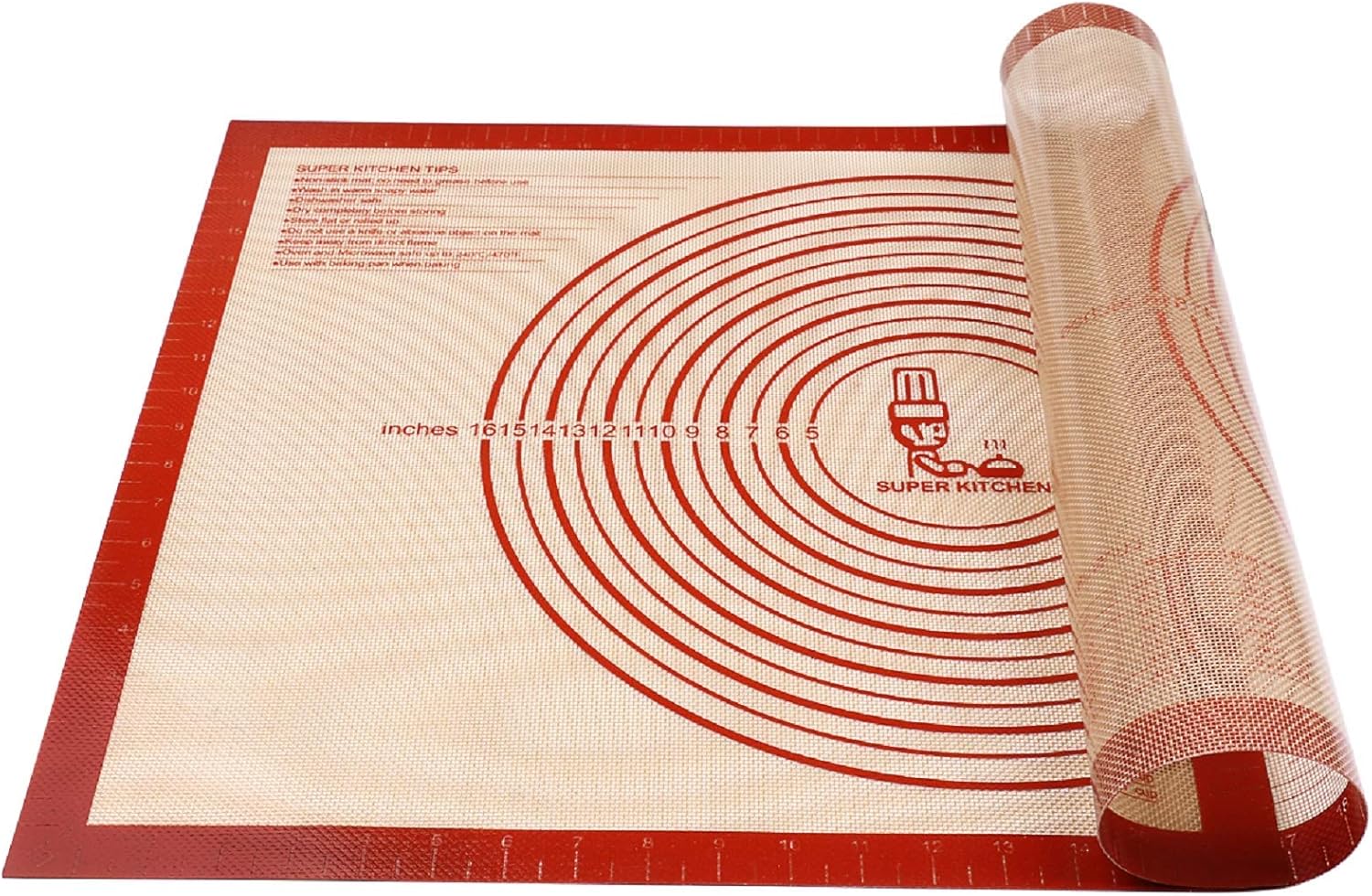
Built-in measurement markings transform a simple silicone pad into an invaluable workspace tool for home baking tasks. Metric and imperial scales printed clearly along the edges let you size pie crusts and cookie dough accurately without grabbing a separate measuring tape. These visual aids eliminate guesswork during detailed pastry decoration projects.
Circular diameter rings printed directly in the center help you shape uniform rounds for layer cakes and pizza crusts with confidence. Certain advanced mats also feature helpful conversion charts and temperature guides right on the surface. These integrated markings speed up your daily workflow and improve precision for beginners and experienced bakers alike.
Cleaning and Maintenance Convenience
Keeping your baking accessories sanitary requires minimal effort when choosing dishwasher-safe silicone mats for your busy family kitchen. Non-stick surfaces allow burnt sugar, flour, and fat residues to rinse away effortlessly with warm soapy water or slide right off into the trash bin. This effortless release prevents stubborn flour buildup after messy dough rolling sessions.
Following manufacturer cleaning guidelines ensures your mat maintains its strong non-slip grip and flexible texture over years of heavy use. Avoid abrasive metal scrubbers that might damage printed measurement markings or pierce the delicate silicone layer. Proper rinsing and vertical air drying keep the surface pristine for your upcoming baking recipe.
Storage and Portability Options
Flexible silicone construction allows dough roll out mats to be conveniently rolled or folded for compact drawer storage between your active baking days. Unlike rigid wooden pastry boards, these pliable pads adapt effortlessly to tight spaces in crowded kitchen cabinets without taking up excessive room on your shelves or pantry.
Some specialized models include convenient petal tie wraps or integrated hanging holes for vertical wall storage right above your primary food preparation counter. Consider carefully how you prefer to store the pad when not in use to maintain a clean, clutter-free kitchen environment. Proper storage prevents accidental creases and prolongs overall product lifespan significantly.
Frequently asked questions
Do I need to dust a silicone dough roll out mat with flour before rolling?
Most high quality silicone mats feature an advanced non-stick surface that significantly reduces or eliminates the need for heavy flour dusting. For many standard recipes involving cookie dough, pie crusts, and fondant, the ingredients slide and turn smoothly without sticking to the silicone material. However, exceptionally sticky bread doughs or high-hydration sourdough formulations may still benefit from a very light dusting of flour or a light coating of oil to ensure effortless release during intensive kneading and shaping sessions.
How should I clean and maintain my silicone baking mat after use?
Cleaning a silicone baking mat is straightforward and requires minimal effort. You can easily rinse the surface using warm soapy water to remove oils, sugar, and flour residues. Many models are also completely dishwasher safe, allowing you to place them on the top rack for effortless cleanup. Avoid using abrasive metal scouring pads or harsh chemical cleaners, as these tools can puncture the flexible silicone or wear away printed measurement guides, preserving the longevity of your kitchen accessory.
Can I use a dough roll out mat directly inside the oven as a baking liner?
Many silicone dough mats are engineered to withstand wide temperature ranges, often handling extreme heat up to four hundred seventy degrees Fahrenheit or higher depending on the specific model. This heat resistance allows certain versatile mats to double as oven baking liners for cookies or pastries. Always check the manufacturer specifications for your exact model to confirm its maximum temperature thresholds before exposing the pad to direct oven heat or baking elements.
How do I prevent my dough mat from sliding around on the countertop?
Countertop stability is typically achieved through engineered non-slip silicone backings or textured undersides that grip smooth surfaces firmly. To maximize this adhesion, ensure your kitchen counter is completely clean, dry, and free of loose flour or debris before laying the mat down. Pressing down gently across the surface helps the silicone adhere securely, preventing frustrating shifting, slipping, or wrinkling while you knead heavy bread dough or roll out stiff pizza crusts.
What is the best way to store a silicone pastry mat without damaging it?
Storing your silicone pastry mat is simple due to its flexible, pliable construction. Once the mat is completely clean and dry, you can easily roll it up loosely or fold it flat to fit inside standard kitchen drawers or crowded cabinets. Some models include convenient storage accessories such as petal tie wraps or built-in hanging holes, enabling you to hang the pad vertically on a kitchen wall or pantry hook to save valuable shelf space.