Appliances · Buying Guide
Best Easy Sourdough Pizza Dough Gear for Home Kitchens
Crafting homemade pizza using natural fermentation brings incredible flavor and texture to your kitchen, but managing sticky ingredients and delicate fermentation stages can sometimes present challenges. Successful baking relies on having dependable equipment that simplifies initial mixing, prevents countertop messes, and maintains steady ambient temperatures during the vital rising phases without unnecessary complications.
Whether you are blending flour and water for an easy sourdough pizza dough or monitoring a delicate bulk ferment, specialized tools take the guesswork out of the process. Integrating purpose-built items into your routine helps streamline preparation, allowing you to focus entirely on achieving that ideal golden crust and airy crumb structure every single time you bake.
As an Amazon Associate, StacyLaughs earns from qualifying purchases.
Buying guide
Evaluating Countertop Workspace
When rolling out pizza dough, having enough physical area on your countertop prevents flour spills and allows you to stretch the crust evenly without crowding your tools. Large flexible mats provide a dedicated boundary for your kitchen tasks, keeping loose ingredients contained and protecting the underlying countertop surface from scratches during aggressive daily kneading sessions.
Consider how much clear counter space you typically have available before selecting an oversized prep surface. Mats that can roll or fold away easily offer great convenience for modest kitchens, provided you have enough open area during active baking times to lay them completely flat without obstruction or folding edges.
Selecting Mixing Utensils
Blending flour and water for artisanal recipes requires a sturdy utensil that can handle heavy resistance without bending or trapping sticky residue inside hidden mechanical joints. Solid wooden whisks cut through dense mixtures effectively while offering a comfortable ergonomic grip that minimizes hand strain and muscle fatigue during extended kitchen preparation routines.
Traditional wire designs often accumulate stubborn dough within their tight coils, making cleanup tedious and time-consuming for everyday home bakers. Choosing a seamless one-piece wooden construction simplifies quick rinsing under the tap, though it requires prompt manual washing and thorough drying to preserve the natural wood grain over years of frequent baking.
Managing Temperature Control
Ambient room temperature plays a massive role in how successfully your dough rises, especially during cooler seasonal changes or drafty kitchen environments. Dedicated proofing boxes establish a reliable, steady atmosphere by utilizing internal heating zones and thermal sensors to maintain precise warmth for consistent fermentation results across various homemade baking recipes throughout the entire year.
When choosing a proofing unit, look closely at the adjustable temperature range, programmable timer functions, and heating precision to match your specific baking habits and daily scheduling needs. Transparent viewing windows add everyday convenience by letting you check progress without releasing heat or disturbing the delicate rising dough inside the chamber.
Assessing Storage and Footprint
Kitchen storage space is often at a premium, making collapsible designs or stackable containers exceptionally valuable for home bakers with limited room. Proofing boxes that fold down flat into thin profiles allow you to tuck them away neatly into cabinets or shelves when not in active use, preventing permanent countertop clutter and freeing up valuable workspace for other culinary tasks.
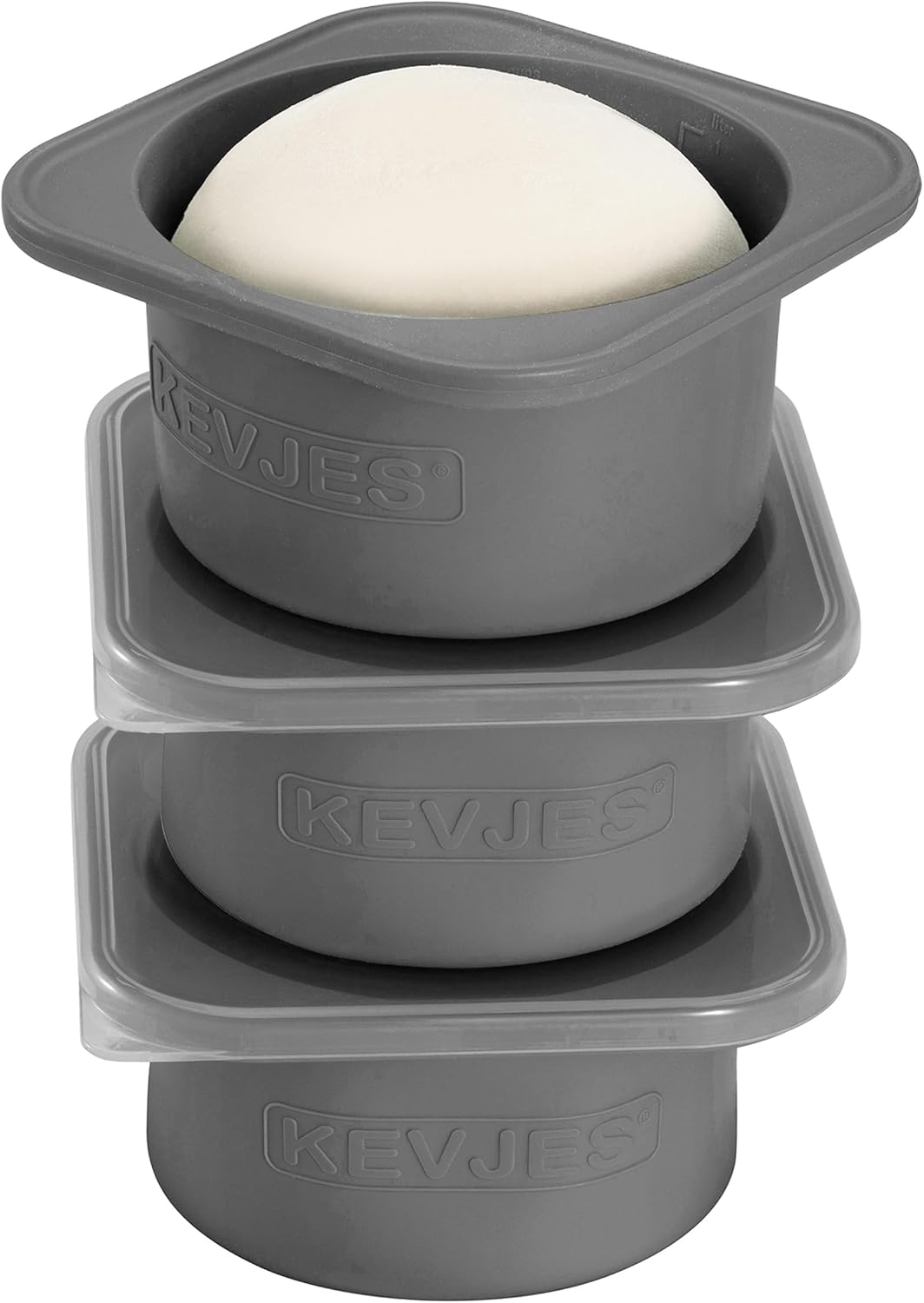
Similarly, stackable silicone containers designed for individual dough portions optimize refrigerator and freezer organization during multi-day fermentation schedules. Evaluating how equipment stores away when your baking session ends ensures your kitchen remains functional, tidy, and orderly between regular weekend pizza nights and family baking projects without overwhelming available cupboard capacity.
Understanding Material Durability
Selecting baking gear built from certified food-grade materials ensures safe daily contact with your ingredients while supporting long-term structural durability. Silicone mats, stainless steel racks, and reinforced containers resist staining and wear, standing up exceptionally well to frequent use and repeated washing cycles without degrading or absorbing unwanted food odors over time in busy home kitchens.
Pay close attention to manufacturer care instructions regarding whether specific items are dishwasher safe or require gentle damp cloth wiping for maintenance. Choosing materials that align with your preferred cleanup routine helps preserve your baking investment and keeps daily kitchen maintenance straightforward over years of preparing homemade artisan doughs.
Portioning and Fermentation Capacity
Preparing dough for a crowd or storing individual portions requires matching your container capacity to your typical recipe scale and household needs throughout the week. Larger proofing boxes accommodate multiple batches simultaneously for bulk fermentation, whereas individual 1000ml containers excel at keeping separate pizza dough balls neatly isolated during cold refrigerator storage stages.
Consider whether you prefer bulk-rising your entire dough mass in one spacious chamber or dividing your mixture immediately into individual portions for weekly meal planning. Assessing your typical batch sizes prevents overcrowding and ensures each pizza crust develops the ideal internal texture and airy structure during the final baking process.
Frequently asked questions
Do I need a special proofing box to make sourdough pizza dough?
While a dedicated proofing box is not strictly mandatory for every home baker, maintaining stable ambient warmth is essential for consistent fermentation results. If your kitchen tends to run cool or experiences drafty temperature fluctuations, using a temperature-controlled proofing box helps regulate warmth and speeds up the rising process reliably. Without temperature control, fermentation times may vary significantly depending on the season, making a proofer a helpful addition for predictable scheduling.
How do I prevent sticky pizza dough from adhering to my countertop?
High hydration sourdough pizza dough can be quite sticky during kneading and shaping. Using a dedicated silicone pastry mat provides a non-stick surface that allows the dough to slide and turn easily without requiring excessive extra flour, which can alter your recipe's texture. Additionally, wiping a small amount of oil onto your hands or containers can further manage stickiness and make handling the wet dough much more straightforward during preparation.
What is the advantage of using a wooden dough whisk over a metal spoon?
A solid wooden Danish dough whisk features an open loop design that cuts through dense flour and water mixtures much more efficiently than a solid spoon. This design minimizes hand fatigue and prevents large flour clumps from forming at the bottom of your mixing bowl. Furthermore, one-piece wooden whisks eliminate hidden metal joints and wire coils where sticky dough frequently gets trapped, making the cleanup process significantly faster and more hygienic.
Can I store individual pizza dough balls in the refrigerator?
Storing individual dough balls in the refrigerator is a popular method for slow, cold fermentation, which enhances the flavor and crust character of artisanal pizza. Utilizing stackable silicone containers with airtight lids protects the dough from drying out and prevents refrigerator odors from affecting the flavor. Containers featuring reinforced steel frames also provide extra stability, allowing you to stack multiple portions securely to maximize your refrigerator shelf space.
How should I clean and maintain my folding bread proofing box?
Maintenance requirements vary by model, so always follow the manufacturer guidance provided with your specific equipment. Many folding proofing boxes feature waterproof food-grade interiors that can be easily wiped clean with a damp cloth after the unit has cooled down. Avoid submerging electronic or insulated heating components in water unless explicitly permitted by the manufacturer care instructions, and ensure the unit is completely dry before folding it flat for storage.