Appliances · Buying Guide
Best Emile Henry Bread Loaf Pan Choices for Your Kitchen
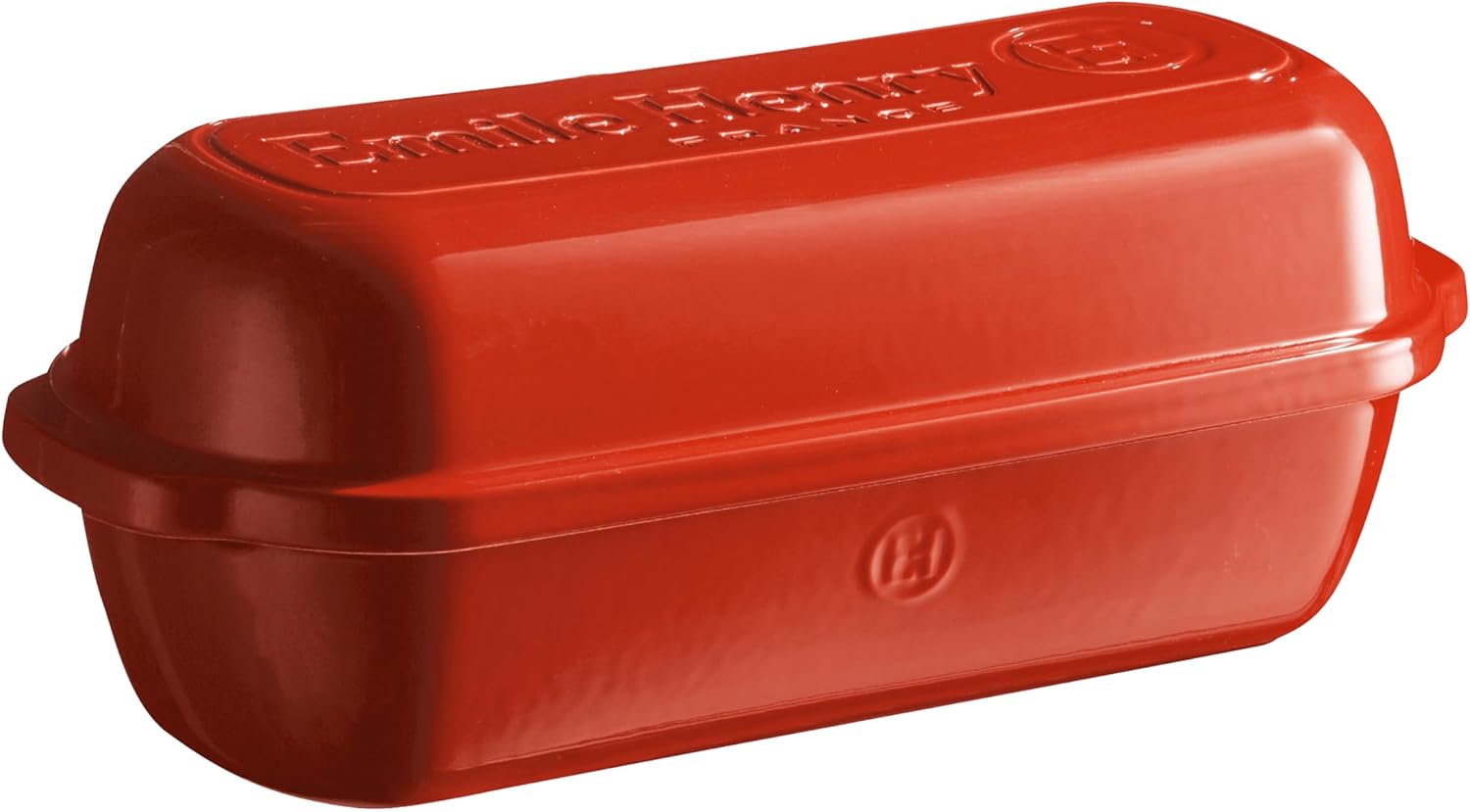
Baking artisan bread at home requires equipment that distributes heat evenly and manages moisture effectively. Emile Henry offers a variety of ceramic loaf pans crafted in France from burgundy clay, designed to help bakers achieve a crisp crust and tender crumb. These bakers come in multiple sizes and formats, accommodating everything from traditional sandwich loaves to long artisan baguettes and standard rectangular bakes.
Choosing the right model depends on your specific baking goals, available oven space, and desired loaf dimensions. Whether you need a compact pan for everyday baking or an elongated Pullman baker for sandwich slices, these ceramic vessels provide consistent heat retention and straightforward cleanup. Exploring the available options helps match the correct pan design to your favorite recipes and baking style.
As an Amazon Associate, StacyLaughs earns from qualifying purchases.
Buying guide
Material and Heat Retention
Selecting a ceramic loaf pan starts with understanding how refractory Burgundy clay performs. These natural materials absorb oven heat steadily and distribute it evenly, preventing hot spots that burn bread bottoms while leaving centers underbaked.
Unlike thin metal pans, ceramic vessels hold thermal energy longer to develop robust crusts. Always check maximum temperature ratings to ensure compatibility with your recipes and oven settings.
Size and Oven Compatibility
Dimensions dictate what type of recipes you can successfully prepare. Standard pans around nine to eleven inches handle everyday sandwich bread, while extended Pullman bakers exceed thirteen inches for long artisan loaves.
Measure your oven interior and shelf spacing before purchasing an elongated baker. Ensuring adequate clearance prevents fitting issues with the lid and allows proper air circulation around the ceramic body.
Moisture Management and Lids
Covered ceramic bakers excel at trapping moisture released from dough during the initial baking phase. This trapped steam encourages the bread to expand fully before the outer crust sets and hardens.
Domed or flat lids contribute directly to crumb texture by maintaining a humid baking environment. Removing the lid during the final minutes lets the crust brown deeply.
Non-Stick Qualities and Release
Glazed ceramic surfaces provide natural non-stick properties that simplify removing baked loaves. Many designs feature ridged bases to further prevent dough from adhering directly to the bottom floor.
While glazes reduce sticking, light greasing or flouring remains recommended for sticky enriched doughs. This ensures the finished bread slides out smoothly without damaging the delicate outer crust.
Versatility Beyond Bread
Many ceramic loaf pans accommodate alternative recipes beyond standard yeast bread. Their thermal stability makes them suitable for baking quick breads, small cakes, meatloaf, and roasted dishes.
Choosing a versatile pan with clean lines allows you to transition the dish directly from the oven to the dining table for serving, reducing kitchen cleanup tasks.
Cleaning and Maintenance
Glazed refractory ceramic makes post-baking cleanup straightforward and manageable. Most models are labeled as dishwasher safe, allowing for convenient washing alongside your regular kitchen items.
Allow hot ceramic bakers to cool gradually before washing to prevent thermal shock. Proper care preserves the exterior glaze and maintains the integrity of the natural clay material.
Frequently asked questions
Do I need to grease an Emile Henry ceramic bread loaf pan before adding dough?
Yes, applying a light coating of oil, butter, or flour to the interior surface is recommended before adding your prepared dough. While many of these ceramic bakers feature naturally non-stick glazes and ridged bases to assist with food release, greasing provides an extra safeguard. This step ensures that enriched doughs containing butter, milk, or sugar release cleanly from the sides and bottom after baking, preserving the aesthetic appearance of your finished loaf without tearing the crust during removal.
Can I place a cold ceramic loaf pan directly into a preheated oven?
Placing a cold ceramic pan straight into a very hot oven can cause thermal shock, potentially cracking the refractory clay. It is generally best to follow manufacturer instructions regarding preheating. Many ceramic bakers perform best when placed into a cold oven so the temperature rises gradually with the baking chamber. If preheating is required, consult the specific product guidelines to ensure the material can safely handle the sudden temperature transition without compromising structural integrity.
What is the purpose of the lid on a covered bread baker?
The cover traps moisture released by the dough during the first stage of baking, creating a humid environment inside the baker. This steam mimics the effect of a professional steam-injected oven, allowing the loaf to expand fully and develop a soft, airy interior. Removing the lid for the final baking duration lets the dry oven heat circulate freely around the dough, helping to form a crisp, golden-brown crust on the exterior of your homemade bread.
Are these ceramic loaf pans safe to use in the microwave and freezer?
Many Emile Henry ceramic loaf pans are rated safe for use in both microwaves and freezers, though specifications vary slightly by model. This multi-appliance compatibility allows you to thaw frozen dough, reheat leftovers, or bake directly in the same vessel. Always check the specific feature list for your chosen model to confirm its temperature limits and approved appliance uses before transferring the baker between extreme temperature environments like the freezer and the oven.
How should I clean my ceramic loaf pan after baking?
Cleaning these glazed ceramic pans is straightforward because most models are dishwasher safe. If baked-on residue remains after cooking, let the pan soak in warm, soapy water for a short time to loosen the debris. Avoid using harsh metal scouring pads or abrasive cleaners that could scratch the smooth glazed surface of the Burgundy clay. Gentle washing with a soft sponge or cloth preserves the finish and keeps the ceramic baker looking clean for future baking projects.