Appliances · Buying Guide
Best Emile Henry Loaf Pan Options for Artisanal Bread Baking
Baking homemade bread, cakes, and meatloaf at home relies heavily on the quality of your kitchen bakeware. Choosing an emile henry loaf pan brings traditional French craftsmanship directly to your kitchen counter. These ceramic baking dishes use refractory clay sourced from Burgundy to manage heat distribution evenly throughout the entire baking cycle.
Whether you are baking a long sandwich loaf, a delicate dessert cake, or a savory meatloaf, these pieces offer dependable versatility. The naturally non-stick glazed surfaces assist with food release and routine cleanup. Exploring the various sizes, shapes, and color finishes helps match the right ceramic dish to your specific baking routine and kitchen aesthetic.
As an Amazon Associate, StacyLaughs earns from qualifying purchases.
Buying guide
Material Composition and Heat Distribution
Selecting bakeware crafted from natural Burgundy clay ensures dependable thermal performance during routine baking tasks. This traditional French ceramic material absorbs and distributes heat gradually throughout the entire baking cycle, preventing hot spots and supporting uniform baking. Because ceramic retains heat exceptionally well, your baked goods continue to benefit from stable temperatures even after removal from the heat source.
Unlike thin metal pans, ceramic options maintain consistent heat to support proper rising for cakes, meatloaf, and yeast breads. Understanding how this specific clay behaves in your home oven helps achieve reliable and predictable results across traditional and modern recipes. Proper thermal retention is especially valuable when baking dense doughs that require sustained internal heat penetration.
Covered Versus Open Pan Designs
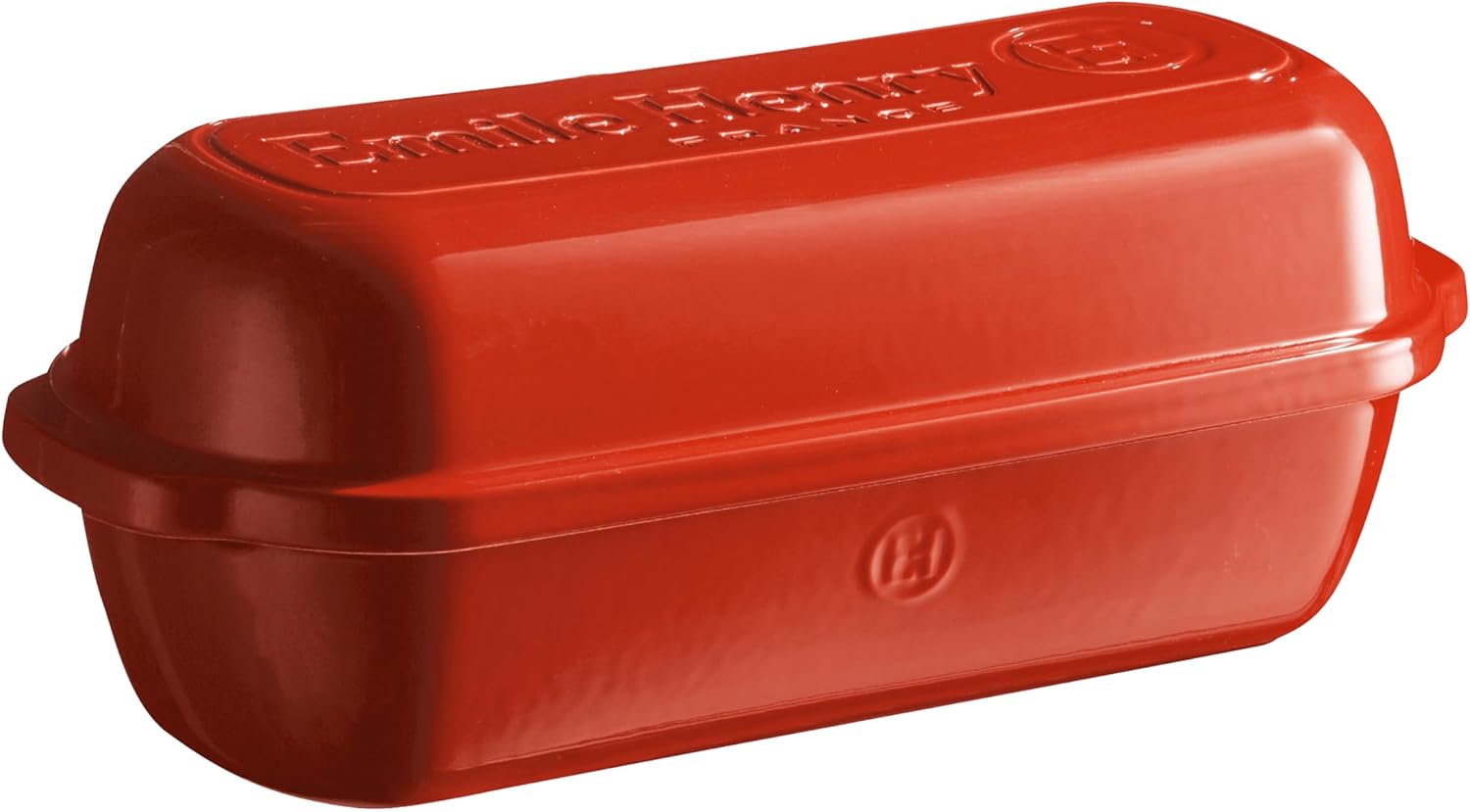
Choosing between an enclosed baker and an open dish depends entirely on your preferred baking style. Covered models trap moisture released from dough during baking, creating an optimal environment for developing golden crusts and soft sandwich crumbs. This trapped steam mimics professional hearth ovens right inside a standard kitchen appliance.
Open loaf dishes provide maximum versatility for traditional cakes, meatloaf, and quick breads without cumbersome lids getting in the way. Evaluating whether you bake more artisan sandwich loaves or casual desserts determines which pan layout fits your kitchen routine. Open formats also make visual monitoring of browning during the baking process significantly easier for home cooks.
Capacity and Dimensional Sizing
Sizing plays a vital role when matching a loaf pan to your favorite family recipes and household size. Options range from compact 1.8-quart dishes to larger 2.3-quart formats specifically designed for extended sandwich loaves and rustic artisan blocks. Selecting the correct volume prevents overflowing batter and ensures proper structural rise for yeast breads.
Measuring your oven interior and storage cabinets ensures the chosen ceramic pan fits comfortably without crowding other items. Larger formats require more horizontal clearance, while standard dimensions offer flexible placement on crowded kitchen shelves. Keeping physical dimensions in mind prevents storage surprises upon delivery and guarantees seamless integration into your bakeware collection.
Glaze Properties and Food Release
The surface finish on ceramic bakeware directly influences how easily baked goods release after cooling down. Naturally non-stick glazes simplify the removal of delicate cakes, meatloaf, and crusty breads without requiring excessive cooking oils or messy preparation steps. This smooth coating reduces cleanup time significantly after meals are served to your family.
High-quality glass-based emails also resist scratches from knives and metal utensils, protecting the pan's visual appearance over years of frequent use. Understanding surface durability helps you select dishes that withstand regular slicing right inside the mold and effortless dishwasher cleanup routines. A resilient glaze preserves both long-term visual appeal and daily functional convenience across countless meals.
Cleaning and Maintenance Protocols
Maintaining ceramic bakeware involves straightforward routines that keep your kitchen investment looking pristine. Most dishwasher-safe models eliminate the need for tedious hand scrubbing after baking sticky ingredients like savory meatloaf or sugary cake batter. Regular cleaning prevents stubborn residue buildup and preserves the smooth non-stick properties of the protective glaze layer.
Following manufacturer guidelines ensures the material integrity and glaze performance remain consistent over extended periods of frequent cooking. Proper care prevents premature wear and maintains the attractive exterior color appearance of your chosen baking dish. Simple washing habits guarantee your ceramic pans remain reliably ready for the next baking project without undue hassle or damage.
Aesthetic Appeal and Table Presentation
Aesthetic choices matter when selecting bakeware designed to transition from the hot oven straight to the dining table. Beautiful finishes and soft color options elevate family dinners, birthday parties, and casual weekend gatherings. Serving food directly from the attractive baking dish reduces extra dishwashing and enhances the overall presentation of your homemade meal effortlessly.
Choosing a design that complements your existing kitchen dinnerware adds a touch of French elegance to homemade meals. Coordinating colors ensures your baking dishes double as attractive serving platters for guests without looking out of place. Selecting an appealing shade transforms basic weeknight cooking into a refined dining experience for everyone involved at home.
Frequently asked questions
Can these ceramic loaf pans go directly from the freezer to a hot oven?
Many Emile Henry ceramic products are designed to handle thermal transitions, but checking specific manufacturer instructions for each model is recommended. Refractory clay withstands temperature shifts well, allowing you to move dishes between environments safely. However, avoiding extreme thermal shock by placing cold dishes into a preheating oven rather than a blazing hot one helps protect the ceramic material. Always review the exact product specifications regarding upper temperature limits and recommended handling guidelines before attempting direct freezing and baking routines.
Are these baking dishes safe to clean in the dishwasher?
Yes, the supplied evidence indicates that these ceramic loaf pans are dishwasher safe for convenient cleanup after use. The naturally non-stick glass-based emails release baked-on ingredients easily, meaning food residues wash away without excessive scrubbing. Placing the dishes securely in the dishwasher rack saves time and effort following meal preparation. If preferred, hand washing with warm soapy water also works effectively to maintain the exterior glaze and keep your bakeware looking pristine for future recipes.
Do I need to grease these ceramic pans before adding bread dough or cake batter?
While the ceramic surfaces feature a naturally non-stick glaze, lightly greasing and flouring the interior base is commonly recommended for bread and cake recipes. This extra step guarantees that delicate items release smoothly without sticking to the bottom or sides of the dish. For specific recipes like sandwich loaves, proper preparation ensures uniform slices and effortless removal. Following basic baking preparation habits ensures your food comes out cleanly every single time you bake.
What is the difference between covered loaf bakers and open loaf dishes?
Covered loaf bakers feature an enclosed lid designed to trap moisture released from the dough during baking. This trapped steam supports a golden crust and a soft, airy crumb, making them ideal for sandwich breads and artisan loaves. Open loaf dishes lack lids, offering maximum versatility for traditional cakes, meatloaf, and quick breads. Choosing between these designs depends entirely on whether your baking routine emphasizes steam-baked artisan bread or standard open-pan culinary recipes.
Can I cut baked goods directly inside these ceramic loaf pans with a knife?
Certain models, such as those featuring scratch-resistant glass-based email in specialized collections, allow you to cut directly inside the mold using knives and metal utensils. This design feature permits easy slicing without worrying about damaging the interior surface. However, checking the specific product details for your chosen model is wise before using metal blades. For standard pans, utilizing non-metal utensils or removing the baked item prior to slicing helps protect the glaze.