Appliances · Buying Guide
Best Emile Henry Pie Dish Options for Baking Traditional and Deep-Dish Pastries
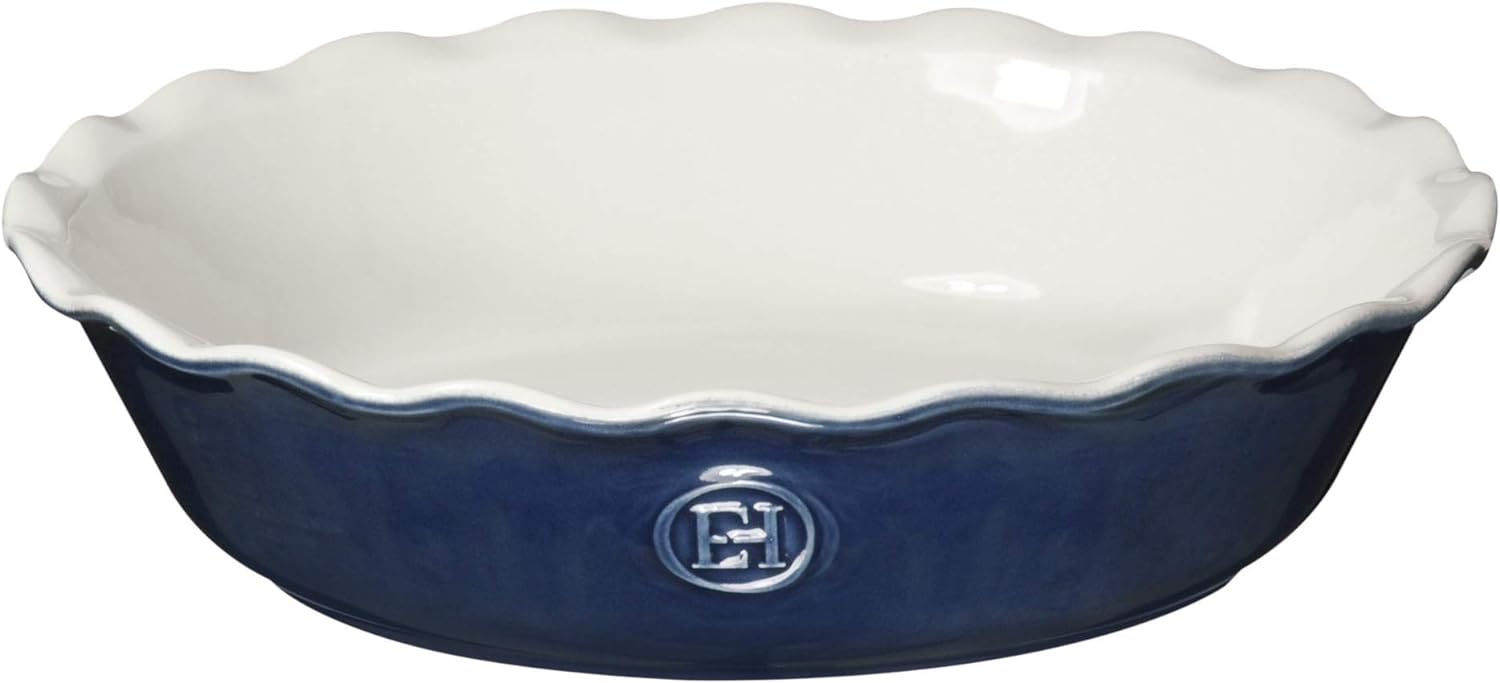
Selecting the right bakeware involves understanding ceramic materials, temperature limits, and capacity dimensions for your favorite recipes. An emile henry pie dish brings traditional French craftsmanship directly to your kitchen, offering reliable performance for both sweet desserts and savory quiches. These pieces use specialized clay to manage heat effectively during baking sessions.
Exploring options from the classic collections allows home bakers to match their aesthetic preferences while gaining dependable oven-to-table functionality. Whether you prefer a deep-dish profile for heavy fillings or a standard ruffled rim for classic crust crimping, understanding the distinct attributes of each model helps ensure a practical addition to your cookware collection.
As an Amazon Associate, StacyLaughs earns from qualifying purchases.
Buying guide
Material Composition and Heat Retention
Selecting an emile henry pie dish starts with understanding the unique benefits of high-fired Burgundy clay and specialized HR ceramic materials. These natural elements provide exceptional thermal mass, absorbing heat evenly and distributing it steadily across delicate pastry crusts. This uniform heat diffusion helps prevent soggy pastry bottoms and ensures that fillings bake thoroughly without developing uneven hot spots.
Furthermore, this superior heat retention capability keeps your finished meals warm for longer periods when transitioning directly from the hot oven to the dining table. While ceramic bakeware is noticeably heavier than metal alternatives, the thermal advantages make it a worthwhile investment for dedicated home bakers seeking consistent baking results.
Capacity and Depth Variations
When evaluating different models, checking the capacity and wall height is essential for matching your preferred recipes. Standard models generally hold around 1.4 quarts of volume, while deep-dish variants offer up to 1.7 quarts. These deep profiles are well-suited for heavy fruit fillings, quiches, and towering pot pies that require extra vertical clearance during the baking process.
Conversely, standard or slightly shallower designs work best for traditional single-crust tarts and classic pies where excessive filling depth is completely unnecessary. Assessing your typical baking habits ensures you select a dish with sufficient internal volume without taking up unnecessary space in your kitchen oven or storage cabinets.
Thermal Shock and Temperature Limits
One of the primary structural advantages of quality ceramic bakeware is its impressive resistance to thermal shock. Many models withstand high oven temperatures up to 520 degrees Fahrenheit and can transition safely from a cold refrigerator or freezer directly into a preheated oven. This capability streamlines kitchen prep work by allowing you to assemble pastries well ahead of baking time.
However, despite these robust manufacturer temperature ratings, users must still handle extreme thermal shifts with reasonable care. Avoiding abrupt and extreme thermal abuse helps maintain the long-term structural integrity of the ceramic body over years of frequent use in busy household kitchens and family dining environments.
Glaze Durability and Utensil Safety
The exterior glaze applied to each ceramic dish plays a vital role in surface protection and daily kitchen maintenance. An extremely hard glaze resists scratching and crazing, meaning you can slice baked goods directly inside the vessel without worrying about immediate surface damage. This durable glazed finish also prevents food odors and flavors from absorbing into the underlying clay.
Maintaining this protective coating is straightforward since most ceramic models are fully dishwasher safe. You can alternatively clean them by hand using warm soapy water, ensuring the glazed exterior remains smooth, polished, and visually vibrant throughout years of regular family baking tasks.
Rim Design and Crust Shaping
Edge design significantly impacts both the functional handling and aesthetic visual aspects of your baked pastry creations. Ruffled rims offer decorative flair while providing built-in structural guidance for crimping traditional pie crusts by hand. Straight or slightly flared modern rims provide a clean, minimalist look that emphasizes the baked filling and simplifies edge cleaning routines.
Choosing between a ruffled edge and a smooth rim comes down to personal baking preferences and overall kitchen aesthetic style. While ruffled edges assist greatly with pastry shaping, straight-rimmed models can often be easier to stack efficiently in tight kitchen cabinet spaces and crowded overhead storage shelves.
Storage and Handling Considerations
Due to their dense ceramic and natural clay construction, these baking dishes carry significantly more physical weight than standard metal pans. This heavier build requires deliberate, careful handling, especially when transferring full, hot dishes from the hot oven to the dining table. Proper grip and stable two-handed support are absolutely essential during transport.
Storage planning is equally important because thick ceramic walls take up more lateral and vertical space in standard kitchen cabinets. Ensuring you have adequate shelf clearance prevents accidental edge chipping and makes accessing your specialty bakeware much more convenient during busy holiday cooking and baking sessions in standard upper kitchen wall cabinets.
Frequently asked questions
Can an emile henry pie dish go directly from the freezer to a hot oven?
Yes, these ceramic baking dishes are engineered to withstand extreme temperature changes safely. You can take a dish directly from freezer or refrigerator storage and place it straight into a preheated oven without risking structural failure. This convenience allows you to prepare quiches, pies, or casseroles ahead of time, store them in cold conditions, and bake them whenever needed. However, always verify that your specific model's temperature limits are respected during heating up to 520 degrees Fahrenheit.
Are these ceramic pie dishes safe to use in the microwave and broiler?
Yes, these ceramic baking dishes are designed for versatile kitchen use, including both microwave and broiler applications. You can safely reheat leftovers in the microwave or brown cheese toppings under the broiler up to the maximum temperature rating of 520 degrees Fahrenheit. This multi-appliance compatibility reduces the need for transferring food between multiple dishes, streamlining your cooking and serving workflow while maintaining even heat distribution across your favorite sweet and savory recipes.
How should I clean my ceramic pie dish after baking sticky fruit fillings?
Cleaning your ceramic pie dish is straightforward because the glaze resists stubborn food adhesion. You can place the dish directly into the dishwasher for effortless cleanup, or wash it by hand using warm water and mild dish soap. The extremely hard, scratch-resistant glaze prevents burnt-on sugar or fruit juices from permanently damaging the surface. For stubborn baked-on residues, a brief soak in warm soapy water will easily loosen the material before washing.
Do these pie dishes require special care when using metal utensils?
The glazed surface applied to these ceramic dishes is extremely hard, meaning it resists scratching and crazing under normal kitchen conditions. While you can cut baked goods directly inside the vessel during serving, exercising caution with sharp metal knives helps preserve the pristine finish over years of regular use. Choosing non-metal serving utensils can also provide extra protection for the decorative glazed interior, ensuring your bakeware remains visually appealing for family dinners.
What is the warranty coverage for these French ceramic bakeware products?
These ceramic baking dishes include a ten-year guarantee against manufacturing defects when used in a normal household environment. This manufacturer warranty provides long-term assurance regarding the quality of the French craftsmanship and materials. To maintain eligibility for this coverage, users should ensure the products are utilized strictly within recommended household guidelines, avoiding commercial applications or extreme thermal abuse beyond the specified temperature limits.