Appliances · Buying Guide
Best Extra Large Muffin Tray Options for Baking Giant Cupcakes and Oversized Texas Muffins
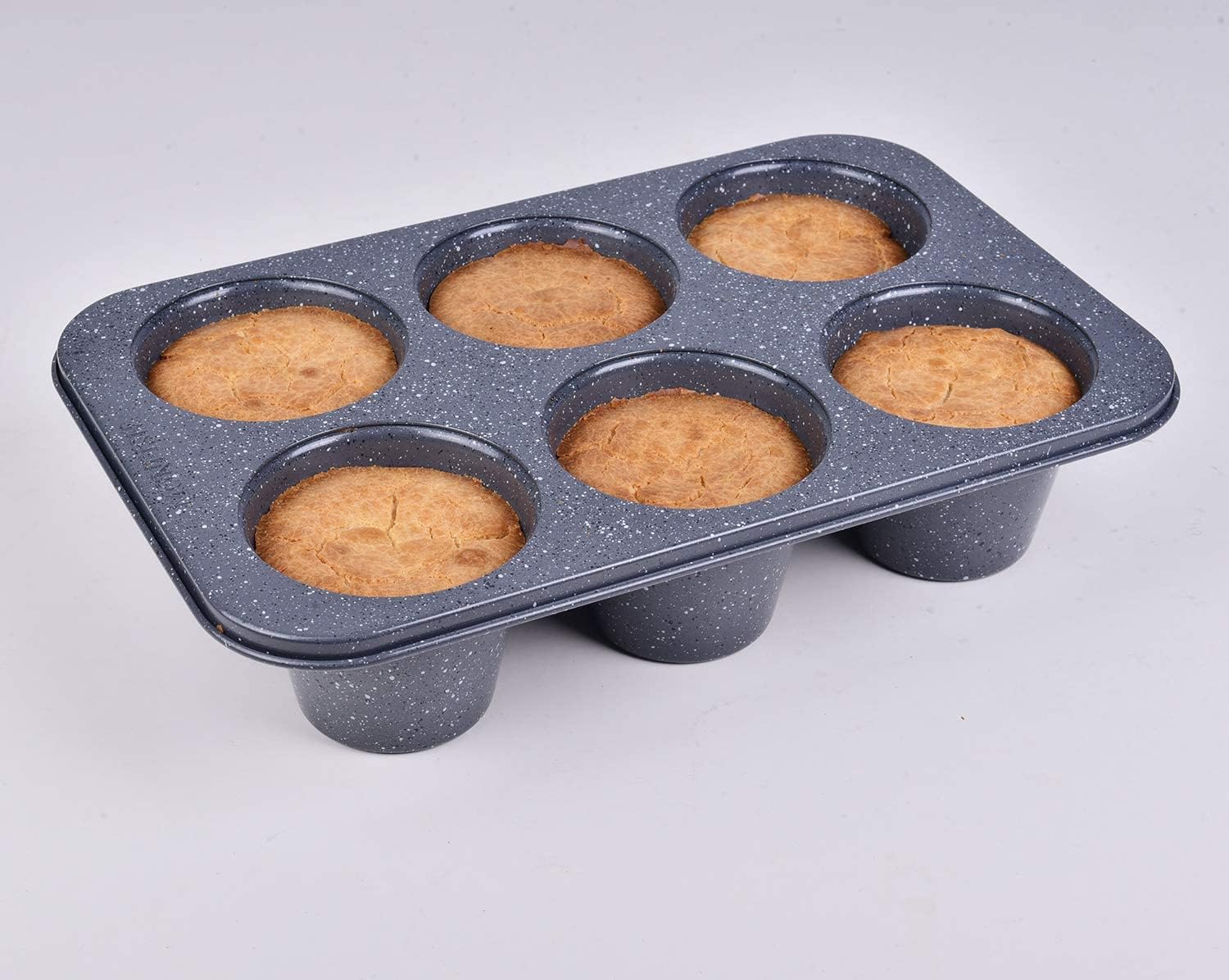
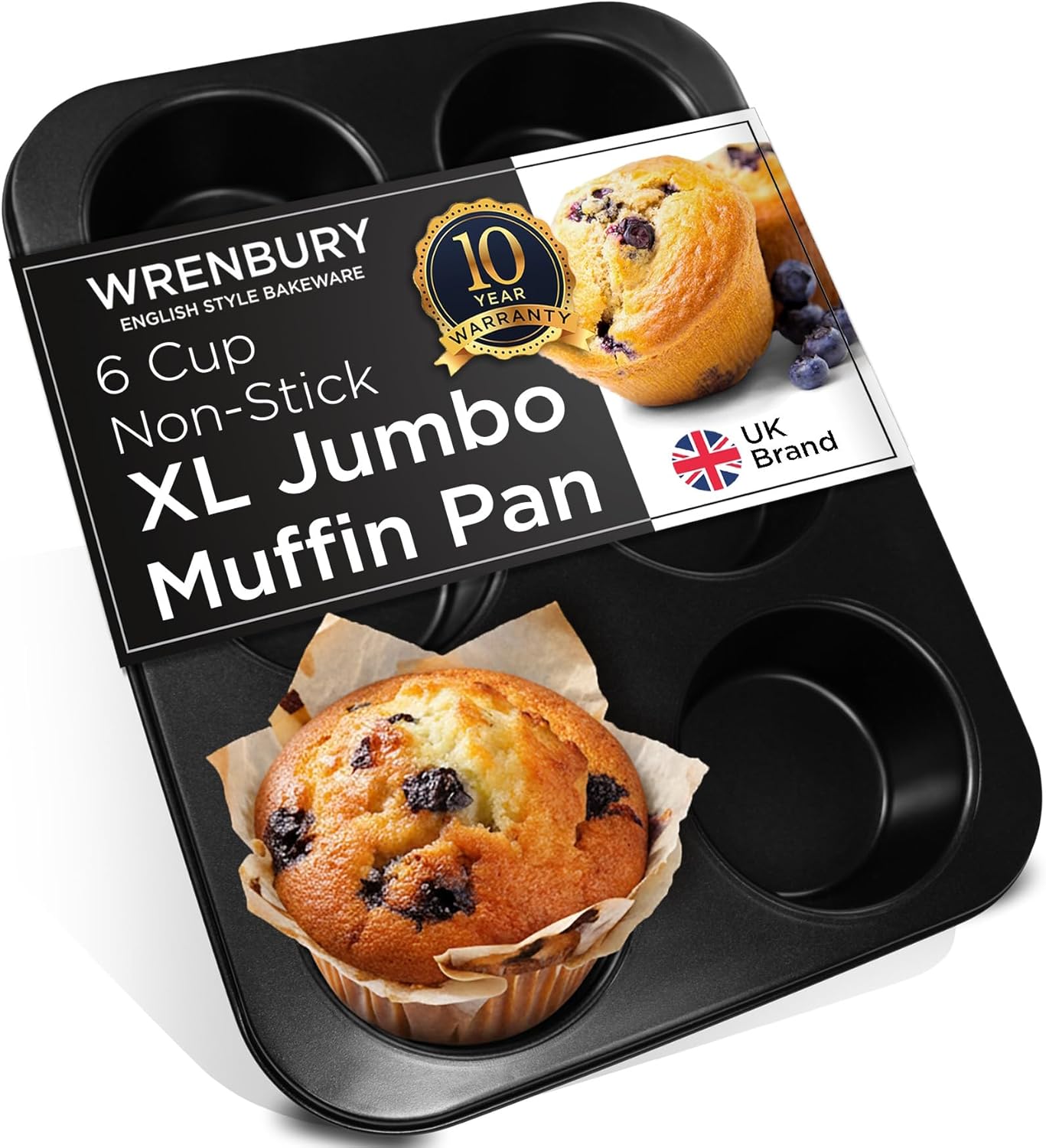
Baking oversized treats at home requires specialized bakeware designed to handle larger batter volumes while promoting even heat transfer. An extra large muffin tray opens up exciting possibilities for crafting bakery-style giant cupcakes, deep muffins, individual pot pies, and savory egg bites right in your own kitchen without ever relying on commercial equipment.
Choosing the right model involves looking closely at cup dimensions, material composition like heavy-gauge carbon steel or food-grade stainless steel, and surface coatings that aid in easy food release. Reviewing the specific physical attributes of available options helps home bakers match a pan to their favorite sweet and savory baking routines efficiently and successfully.
As an Amazon Associate, StacyLaughs earns from qualifying purchases.
Buying guide
Selecting the Right Material for Durability
Bakeware materials directly impact thermal conduction, structural longevity, and daily maintenance routines. Carbon steel provides excellent thermal conductivity for achieving consistent golden edges and even browning across multiple batches of baked goods. On the other hand, heavy-gauge stainless steel offers a robust, coating-free surface that naturally resists rust and warping over years of frequent kitchen use.
Home bakers must carefully weigh whether they prefer treated nonstick carbon steel or raw stainless steel based on their personal cleaning preferences, desired longevity, and maximum operating temperatures. Understanding how each metal reacts to oven heat helps ensure that your chosen baking tray matches your specific culinary goals without unexpected performance issues.
Understanding Cup Dimensions and Capacity
Extra large muffin trays come with varying cup diameters and depths that determine the final size of your baked treats. Standard jumbo cups typically feature top diameters around 3.5 inches, while specialized wide models extend up to four inches across. Depth also varies significantly, with some pans offering standard shallow drops and others pushing past three inches for exceptionally tall goods.
Matching these physical dimensions to your favorite recipes prevents batter overflow and ensures proper structural rise during baking. Reviewing the exact depth and width specifications guarantees that your finished muffins, cupcakes, or savory egg bites achieve the desired bakery-style appearance without requiring awkward adjustments to your favorite batter quantities.
Comparing Nonstick Coatings and Bare Metal
Surface finishes play a major role in how easily baked goods release from the metal tray after coming out of the oven. Nonstick coatings, including stone-infused variants or PTFE and PFOA-free layers, allow large muffins and sticky cupcakes to slide out effortlessly with minimal oil. This makes cleanup faster and reduces the absolute need for disposable paper cupcake liners.
Bare stainless steel surfaces eliminate any concerns about artificial coatings degrading under intense heat, but they usually require thorough greasing or paper liners to prevent sticking. Deciding between these two options depends on whether you value effortless food release above avoiding chemical surface treatments entirely during high-temperature baking sessions.
Temperature Tolerances and Heat Distribution
Every baking tray is engineered to handle specific maximum oven temperatures, typically ranging from 430 degrees up to 475 degrees Fahrenheit. Heavy-gauge metals excel at absorbing and distributing thermal energy uniformly across every cup. This uniform heat transfer prevents hot spots that cause uneven rising, ensuring your jumbo muffins achieve a consistent golden crust and a thoroughly cooked interior.
Exceeding the manufacturer upper temperature rating can damage nonstick surfaces or warp the metal frame over time. Checking the specified heat threshold ensures your chosen tray safely accommodates specialty recipes, high-temperature artisan baking, or aggressive preheating routines without compromising the structural integrity of the pan.
Maintenance and Cleaning Requirements
Proper cleaning and maintenance routines extend the functional lifespan of your extra large muffin tray significantly. Many modern steel pans are rated as dishwasher safe, allowing for quick cleanup in automated kitchen appliances. However, certain carbon steel or nonstick models perform best when washed gently by hand using mild soapy water to preserve their delicate surface coatings.
Storing pans completely dry and occasionally applying a thin protective layer of cooking oil can prevent rust on carbon steel variants during periods of inactivity. Following manufacturer guidelines for cleaning prevents premature wear and keeps your bakeware performing reliably across countless future baking projects.
Storage Space and Oven Compatibility
Oversized baking pans have larger physical footprints than standard muffin tins, making storage and oven clearance critical considerations. A multi-pack bundle or an extra-deep pan requires dedicated cabinet space and careful measurement of your oven interior. Checking your oven rack dimensions ensures the tray fits comfortably without hitting the walls or blocking necessary airflow.
Accounting for the physical dimensions of your bakeware prevents frustrating storage conflicts in crowded kitchen cupboards. Choosing a single tray or a compact stackable configuration helps maintain an organized kitchen while still providing the capacity needed for large batch weekend baking tasks.
Frequently asked questions
Do extra large muffin trays require paper cupcake liners?
Most extra large muffin trays feature smooth nonstick coatings that allow baked goods to release cleanly without paper liners, making cleanup straightforward. However, using liners can still be helpful for easy portion removal and presentation, especially when baking sticky batters or sweet treats. If you choose an uncoated stainless steel pan, paper liners or thorough greasing become essential to prevent food from sticking to the bare metal surface during baking.
Can I put my jumbo muffin pan in the dishwasher?
Many steel and stainless steel jumbo muffin pans are explicitly rated as dishwasher safe, allowing for quick and convenient cleanup after baking. On the other hand, certain carbon steel models recommend gentle hand washing with mild soapy water to protect surface coatings and maintain optimal performance over time. Always check the specific manufacturer guidelines provided with your particular tray to determine whether automated dishwasher cycles are appropriate for its material composition.
What is the difference between standard muffin cups and jumbo cups?
Standard muffin cups are designed for everyday bite-sized or regular portions, whereas extra large jumbo cups feature significantly wider top diameters and deeper walls. Jumbo cups typically measure around 3.5 inches to 4 inches across, providing the necessary volume to bake oversized bakery-style Texas muffins, giant cupcakes, and individual savory pot pies. This extra capacity allows home bakers to replicate commercial-sized portions and achieve tall, beautifully domed tops on their favorite recipes.
How do I prevent carbon steel muffin pans from rusting?
Carbon steel muffin pans require proper care to prevent rust and maintain their structural integrity over years of use. After washing your pan by hand, make sure to dry it thoroughly with a towel and store it in a dry environment. If you plan to store the pan for an extended period without use, applying a very thin layer of cooking oil across the surface helps protect the metal from moisture in the air.
What temperature limits apply to extra large muffin trays?
Upper temperature limits vary depending on the specific metal composition and surface coatings of each baking tray. Most carbon steel and coated steel pans safely withstand oven temperatures up to 446 or 450 degrees Fahrenheit, while uncoated stainless steel models can often handle higher heat up to 475 degrees Fahrenheit. It is essential to review the manufacturer specifications for your exact tray before baking high-temperature recipes to avoid damaging the metal or surface finishes.