Appliances · Buying Guide
Best Fat Daddio Loaf Pan Options for Every Baking Need
Choosing the right bakeware transforms how home bakers and commercial kitchens handle daily bread, meatloaf, and quick bread recipes. Selecting durable materials ensures consistent heat distribution, preventing frustrating hot spots and unevenly baked centers that ruin delicate batters. Proper equipment simplifies cleanup while supporting diverse recipes across standard ovens, air fryers, and pressure cookers.
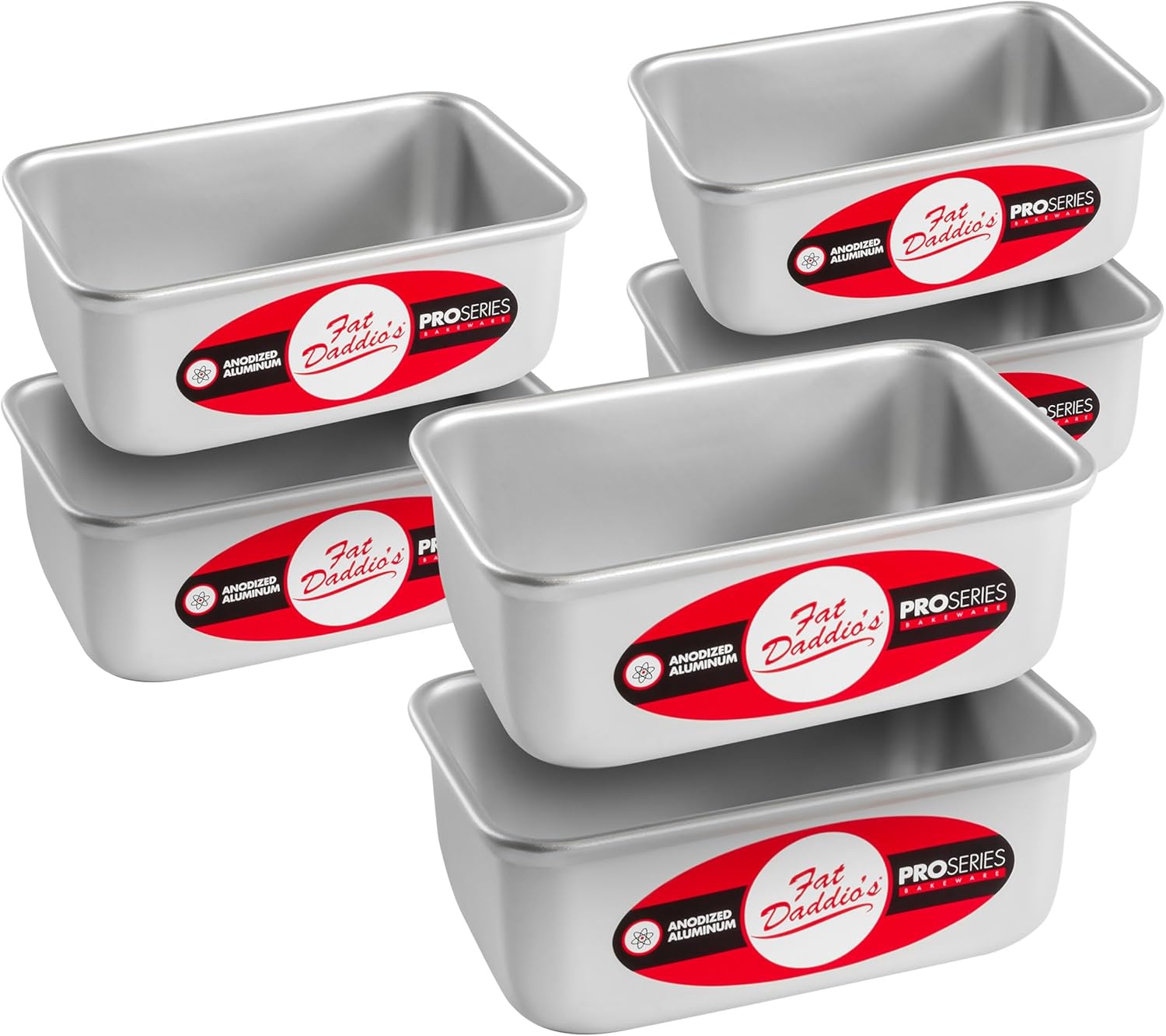
Fat Daddio options provide reliable 18-gauge anodized aluminum construction designed for quick heating and cooling cycles. These pans handle everything from traditional sourdough to savory meatloaves without chemical additives, heavy dyes, or synthetic coatings. Understanding the distinct sizes, capacities, and pack counts helps you match a specific pan directly to your favorite baking routines.
As an Amazon Associate, StacyLaughs earns from qualifying purchases.
Buying guide
Material Composition and Heat Distribution
Choosing aluminum bakeware transforms how heat moves through your dough during baking. Anodized aluminum provides rapid thermal conductivity, meaning your pans heat up evenly and eliminate frustrating hot spots that ruin delicate edges. This material cools down instantly upon removal from the oven, stopping the cooking process immediately. Such thermal efficiency prevents over-baked crusts and dry interiors, ensuring professional results across various recipes.
Unlike traditional dark metals that can scorch delicate batters, bright aluminum reflects excess heat for balanced browning. The 18-gauge thickness balances durability with lightweight handling, making everyday kitchen tasks easier. Selecting this sturdy metal guarantees resistance to rust, pitting, and flaking over years of frequent use. Understanding how metal gauge impacts thermal dynamics helps you pick bakeware that supports consistent culinary success.
Sizing and Capacity Matching
Matching pan dimensions to your specific recipes prevents overflow and ensures proper rise during baking. Standard nine-by-five inch pans accommodate traditional bread loaves and hearty meatloaves, while compact models suit smaller households. Larger ten-inch options handle generous batch sizes for big families. Evaluating your typical recipe volume guides you toward the ideal physical footprint for your kitchen routines.
Capacity ratings measured in cups or milliliters indicate how much batter or dough a vessel safely holds. Overfilling a pan disrupts structural rise and creates messy spills inside your oven. Choosing correct proportions ensures uniform crumb structure and proper crust formation. Reviewing internal dimensions alongside your favorite recipes guarantees your baked goods achieve optimal height and texture every single time.
Appliance Compatibility and Versatility
Modern baking extends far beyond traditional wall ovens into countertop appliances like air fryers and pressure cookers. Selecting compact pans designed for these specialized environments expands your cooking repertoire significantly. Checking overall exterior dimensions ensures your bakeware slides effortlessly into confined appliance cavities without jamming or scratching interior heating elements.
Versatile pans withstand high temperatures safely while maintaining structural integrity across different thermal zones. Whether you are steaming in a pressure cooker or roasting at high heat, durable metal construction prevents warping. Ensuring your bakeware fits your specific appliance inventory maximizes utility and opens up creative new cooking methods for everyday meals and specialty desserts.
Maintenance and Cleaning Practices
Proper maintenance preserves the metallic finish and extends the functional lifespan of your aluminum bakeware. Hand washing is strongly recommended to protect the anodized surface from harsh automatic dishwasher detergents that can cause discoloration or pitting over extended periods. Using soft sponges and warm soapy water removes baked-on residue safely without scratching the protective metal exterior.
Avoiding abrasive metal scouring pads prevents permanent surface damage and maintains easy food release properties across every future baking session. Drying your pans thoroughly after washing prevents water spots and keeps the aluminum looking pristine in your cabinet. Adhering to these simple care guidelines ensures your investment delivers reliable baking performance through countless culinary projects without degrading.
Surface Safety and Chemical-Free Design
Selecting bakeware free from synthetic coatings, artificial dyes, and chemical additives protects your household during daily food preparation. Quality anodized aluminum creates a natural barrier that resists acidic ingredients like citrus juices without leaching unwanted compounds into your food. This pure metal approach gives health-conscious bakers peace of mind while handling diverse recipes.
Traditional non-stick surfaces can sometimes degrade or chip under high heat or metal utensil contact, but solid aluminum eliminates those concerns entirely. While you may need to apply a light layer of oil or parchment paper for foolproof release, the absence of synthetic chemicals ensures uncompromised flavor. Prioritizing uncoated metal construction supports safe, clean baking for all your favorite homemade creations.
Storage and Kitchen Organization
Efficient kitchen organization depends on choosing bakeware that stacks or stores neatly within limited cabinet space. Multipack sets require thoughtful arrangement to prevent surface scratches and maximize vertical shelf room in crowded pantries. Assessing your available storage capacity before purchasing large pans or multi-piece sets prevents frustrating clutter and keeps your kitchen counters clear during heavy baking days.
Storing pans in dry, accessible locations ensures they remain ready for impromptu baking sessions whenever inspiration strikes your household. Selecting pieces that nest together or fit comfortably on standard shelves streamlines your daily organization. Planning your bakeware inventory around your physical storage constraints guarantees a harmonious kitchen environment where every tool has a designated home and stays easily reachable.
Frequently asked questions
Are these aluminum loaf pans dishwasher safe?
Manufacturer guidelines explicitly recommend hand washing these anodized aluminum loaf pans rather than running them through an automatic dishwasher. Harsh automated dishwashing detergents often contain strong chemical agents that can discolor, pit, or degrade the protective anodized finish over extended periods. Washing your pans manually with warm water, mild soap, and a soft sponge preserves the smooth metal surface, ensures effortless food release, and maintains the overall longevity of your bakeware investment for many years of reliable baking.
Can I use these pans with acidic ingredients like citrus?
Yes, the 18-gauge anodized aluminum construction makes these loaf pans completely safe for citrus-based foods and acidic recipes. Traditional aluminum bakeware can sometimes react poorly with acidic ingredients, causing pitting or metallic off-flavors, but the electrochemical anodizing process seals the metal pores securely. This protective layer prevents adverse chemical reactions, allowing you to bake lemon breads, orange cakes, and other fruit-infused recipes with total confidence and uncompromised flavor profiles.
Do I need to grease these pans before baking?
While anodized aluminum offers easy release properties compared to untreated metals, applying a light coating of butter, oil, or parchment paper is still recommended for sticky batters. Because these pans do not rely on synthetic non-stick coatings, taking a moment to prep the interior surface guarantees your cakes, meatloaves, and breads slide out cleanly without tearing. Proper greasing ensures flawless presentation, especially when baking delicate or sugar-rich recipes that tend to cling.
Will these pans fit inside my air fryer or pressure cooker?
Compatibility depends heavily on the specific size of your pan and the interior dimensions of your countertop appliance. Compact models designed with smaller footprints fit comfortably inside eight-quart pressure cookers and select large air fryers, expanding your cooking capabilities far beyond the traditional wall oven. Always measure the interior cooking cavity of your appliance and compare it against the overall exterior dimensions of the pan before attempting appliance-based baking projects.
What is the maximum temperature rating for these pans?
These pans are temperature-rated up to 550 degrees Fahrenheit, making them exceptionally versatile for high-heat baking and roasting tasks in any kitchen. This high thermal threshold allows you to use them safely across standard ovens, toaster ovens, and specialized cooking appliances without worrying about structural warping or material degradation. Whether you are baking crusty artisan bread at elevated temperatures or preparing a standard meatloaf, the robust 18-gauge metal handles intense heat effortlessly.