Appliances · Buying Guide
Best Flour Sifter Hand Crank Options for Effortless Baking
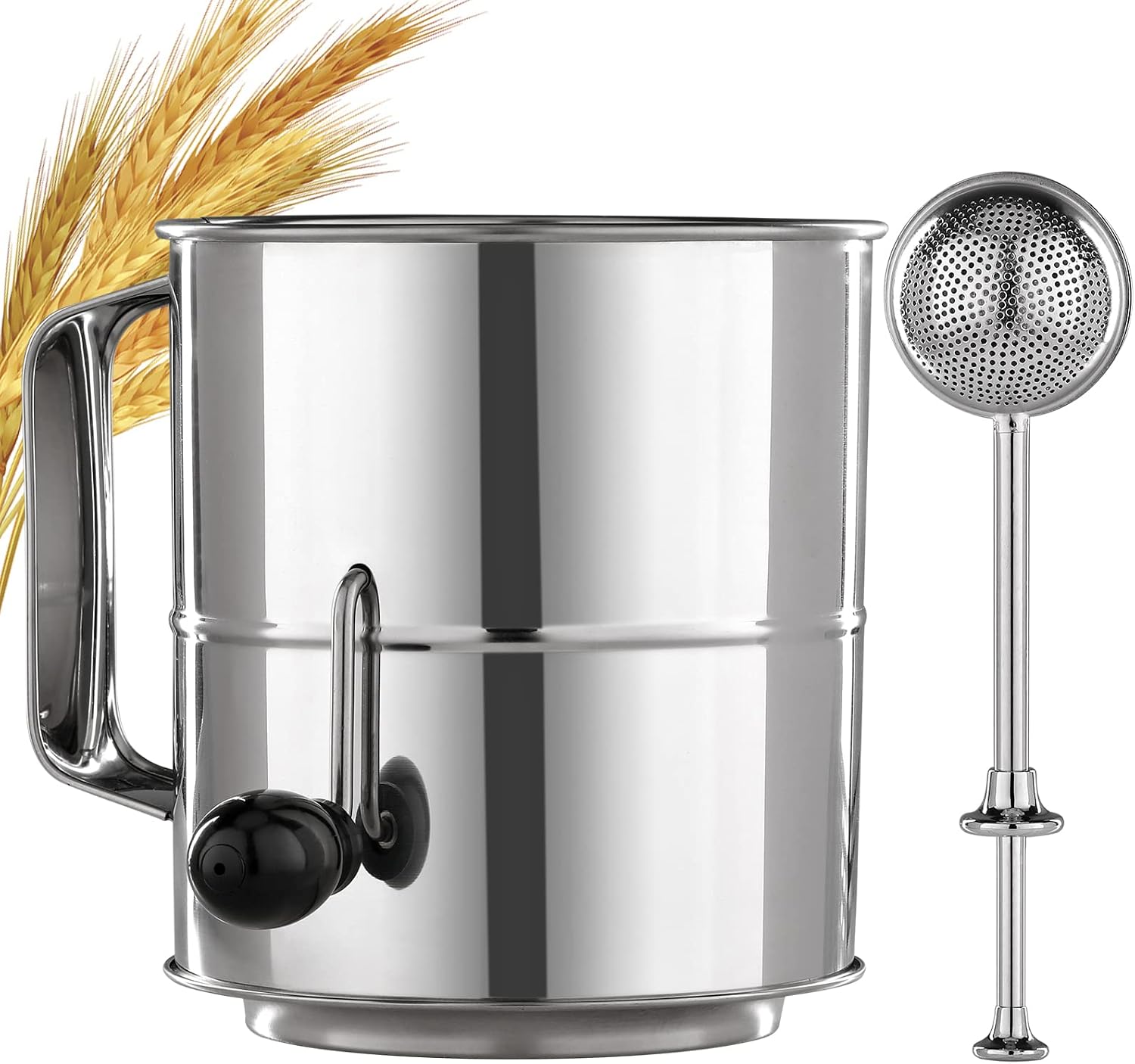
Baking enthusiasts often look for tools that reduce hand fatigue during long prep sessions. A traditional hand-squeeze model can cause strain, whereas a mechanical crank design offers smooth, continuous operation for both fine and coarse ingredients. Whether you are preparing delicate pastries or dusting powdered sugar over desserts, upgrading your kitchenware makes a noticeable difference in texture and workflow efficiency.
Selecting the right model involves looking at capacity, single or fine mesh layouts, and material durability. Stainless steel options provide rust resistance and long-lasting strength for everyday kitchen tasks without adding unnecessary weight to your grip. Exploring various options helps match your specific batch sizes and baking habits to a reliable sifting tool.
As an Amazon Associate, StacyLaughs earns from qualifying purchases.
Buying guide
Capacity and Batch Sizing
Choosing the right capacity depends heavily on your typical baking volume. Smaller three-cup models fit standard recipes and save valuable storage space in crowded kitchen cabinets. However, if you frequently bake large batches of bread or multi-tier cakes, a five-cup variant reduces the frustration of constant refilling. Evaluating your standard recipe requirements ensures you select a sifter size that matches your workflow without creating unnecessary prep interruptions.
Keep in mind that larger capacities also increase the physical dimensions and loaded weight of the tool. Balancing storage availability against your batch sizing habits prevents purchasing an oversized utensil that proves cumbersome to handle during delicate baking prep sessions.
Mechanical Crank Versus Squeeze Handles
Traditional hand-squeeze models require continuous grip strength, which can rapidly tire your hand during extended baking sessions. Mechanical hand crank designs utilize a rotary motion that distributes effort smoothly across your wrist and arm. This continuous turning action helps prevent muscle fatigue, making crank sifters an appealing choice for home bakers with arthritis or limited grip strength. The smooth mechanical advantage transforms strenuous prep work into a comfortable experience.
Furthermore, rotary cranks maintain a steady rotation speed that encourages even aeration across all dry ingredients. Assessing how your hands handle repetitive squeezing motions versus smooth cranking will guide you toward a more comfortable and sustainable kitchen tool choice for daily baking tasks.
Mesh Design and Agitator Efficiency
The internal mesh configuration and agitator layout directly influence how smoothly your ingredients pass through the sifter. Single-mesh screens paired with double-loop wire agitators catch and break down stubborn lumps of flour or powdered sugar effectively. This combination prevents clogging and ensures a consistent, aerated texture for both fine and coarse flours like almond meal and oat bran during active preparation.
Additionally, single-layer mesh layouts significantly simplify the manual cleaning process by eliminating hidden crevices where sticky food particles tend to trap and accumulate. Prioritizing these mechanical design elements guarantees better performance and easier maintenance over years of consistent kitchen use.
Material Durability and Construction
Selecting stainless steel over plastic or aluminum ensures long-term durability and rust resistance in your essential baking tools. Stainless steel structures easily withstand regular washing and heavy mixing without cracking, chipping, or denting. This resilient material provides a lightweight yet robust housing that maintains its structural integrity over decades of frequent kitchen use across various family recipes and holiday baking projects.
Choosing food-grade metal also prevents chemical degradation and ensures safe, clean contact with all dry ingredients. Evaluating the body material helps you invest in a sifter that survives everyday wear while keeping your baking accessories reliable, sturdy, and hygienic for years of delicious culinary creations.
Measurement Visibility and Accuracy
Clear measuring lines stamped directly into the metal body allow you to gauge ingredient volumes at a glance. Interior and exterior stampings save time by eliminating the need for separate measuring cups when adding flour directly to the sifter chamber. This built-in convenience streamlines your recipe prep work and reduces the number of dirty dishes generated during complex baking sessions.
Printed markings often fade or wash off over time, making stamped metal measurements a superior choice for dependable long-term legibility. Checking for clearly visible scale lines ensures you can always monitor your active ingredient quantities accurately without second-guessing your volume proportions during busy kitchen preparation moments.
Cleaning and Maintenance Practicality
Keeping your baking tools clean should be a straightforward process rather than a frustrating chore after a long cooking session. Single-layer mesh designs prevent flour and sugar particles from getting trapped in multi-layered crevices, making manual washing much faster. Most stainless steel sifters require simple hand-washing to preserve their polished finish and prevent mechanical rust formation over extended periods of use.
Reviewing manufacturer maintenance instructions helps you understand whether a model demands gentle hand care or tolerates automated cleaning routines. Choosing an easily washable sifter ensures your equipment stays hygienic and ready for your next baking endeavor without requiring excessive scrubbing effort or special tools.
Frequently asked questions
Why choose a hand crank flour sifter over a squeeze handle model?
Hand crank sifters offer a smooth rotary motion that distributes effort evenly across your wrist and arm, significantly reducing hand fatigue during long baking sessions. Traditional squeeze handles require continuous grip strength, which can tire your muscles quickly, especially when processing large amounts of flour. The continuous turning action of a mechanical crank operates effortlessly, making it an ideal choice for bakers with arthritis or limited hand strength who want consistent, lump-free aeration without physical strain.
Can a hand crank sifter handle coarse flours like almond meal?
Yes, many stainless steel crank models are designed with double-loop wire agitators and sturdy single mesh screens that accommodate both fine and coarse ingredients. While traditional sifters often clog when processing textured items like almond meal, oat bran, or coconut flour, the mechanical agitator captures and breaks down those particles efficiently. This capability allows home bakers to prepare specialty flours, spices, and cocoa powders smoothly without jamming the rotating screen mechanism or leaving unmixed lumps behind.
How do stamped measurements improve the sifting experience?
Stamped measurements embedded directly into the interior and exterior metal body provide permanent legibility that will not wash or fade away over time. This feature lets you check ingredient volumes quickly at a glance without needing separate measuring cups before adding dry components to the sifter chamber. Having visible scale lines inside and outside the housing streamlines your prep work, reduces kitchen clutter, and helps maintain accurate recipe proportions during busy baking tasks.
Are stainless steel flour sifters difficult to clean?
Stainless steel sifters featuring single-layer fine mesh screens are generally straightforward to clean by hand. Unlike complex multi-layer mesh designs where flour and sugar particles become trapped in hidden crevices, a single-layer layout simplifies the washing process considerably. Most models require gentle hand-washing to maintain their polished finish and rust-resistant properties. Rinsing the unit promptly after use and drying it thoroughly ensures the metal housing and internal agitator remain in excellent condition for years.
What capacity should I look for in a flour sifter?
Choosing the right capacity depends primarily on your standard batch sizes and everyday baking habits. A standard three-cup model works well for typical home recipes, fitting easily in storage cabinets while managing moderate ingredient amounts efficiently. If you routinely bake large batches of bread or multi-tier cakes, a five-cup capacity sifter reduces the need to stop and refill the chamber repeatedly. Balancing your storage space availability against your typical recipe batch size helps you select the ideal tool.