Appliances · Buying Guide
Best Foil Lined Baking Tray Options for Easy Meal Prep and Clean Up
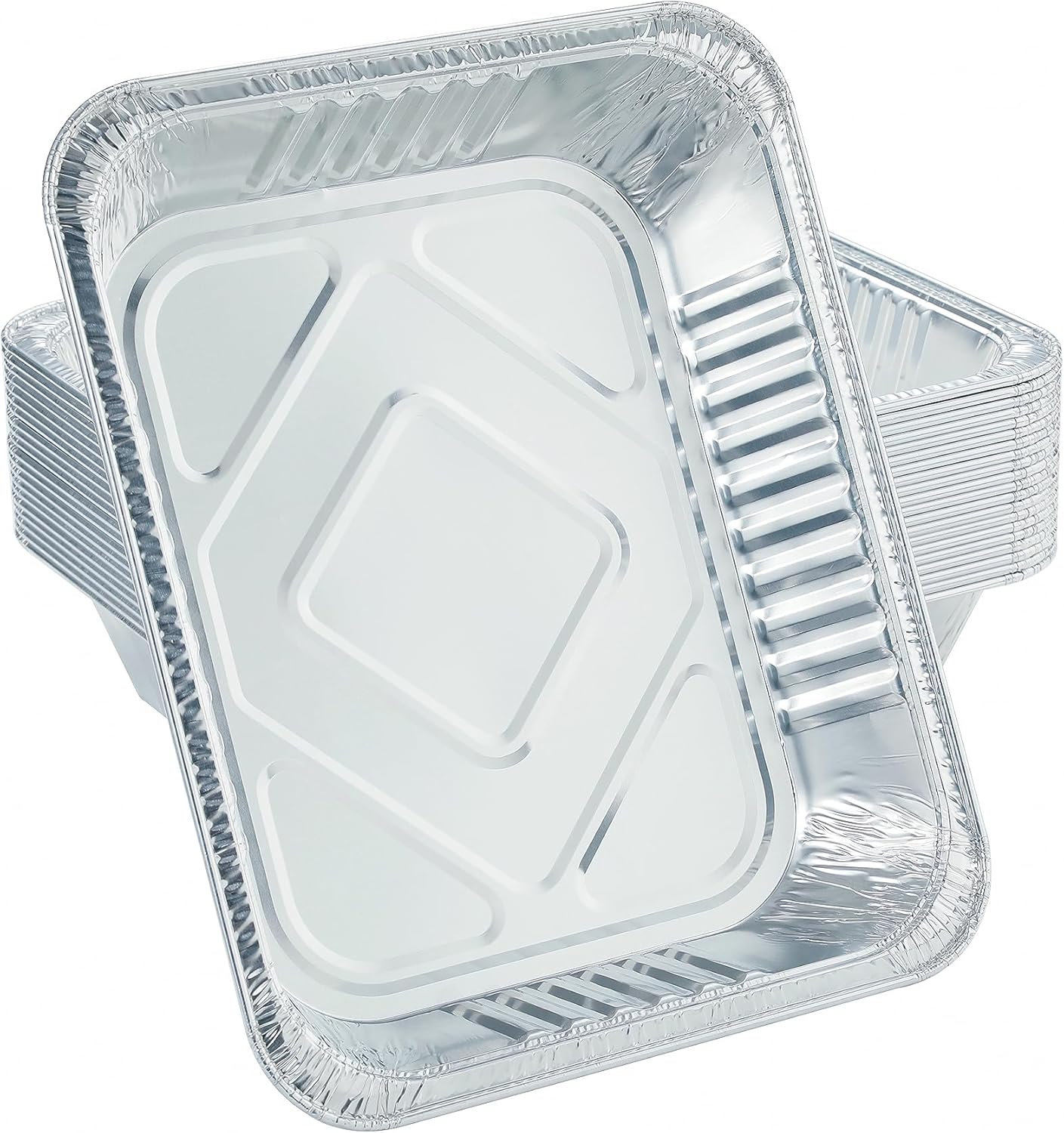
Selecting the right foil lined baking tray or disposable aluminum container can significantly streamline kitchen routines, whether preparing meals for a large gathering or organizing weekly portions. These versatile pans offer dependable heat distribution for baking, roasting, and reheating various dishes without the burden of extensive cleanup.
Understanding the specific dimensions, temperature ratings, and design variations helps match a foil tray to your cooking habits. From compact square containers to spacious half-size steam table options, aluminum pans provide practical utility across ovens, freezers, and grills while maintaining structural integrity for everyday food storage.
As an Amazon Associate, StacyLaughs earns from qualifying purchases.
Buying guide
Material Thickness and Durability
Aluminum thickness directly influences how well a baking tray supports heavy food items during transport. Thicker foils resist bending and prevent accidental spills when carrying casseroles or roasting meats. When selecting pans, examine the manufacturer description for reinforced walls or heavy-duty designations to ensure structural integrity under load.
Lightweight alternatives offer easy handling and quick cleanup but may require extra caution with heavy portions. Matching the pan material strength to your intended recipes prevents kitchen mishaps and ensures your baked goods reach the table safely.
Size and Dimensional Compatibility
Checking physical dimensions prevents fitting issues inside standard ovens, air fryers, or home freezers. Manufacturers often list outer rim measurements, which can differ slightly from the actual inner cooking surface available for food. Verify both dimensions before purchasing to accommodate specific recipes and kitchen appliances properly.
Larger half-size trays suit bulk meal prep and holiday gatherings, while compact square options fit smaller countertop ovens. Selecting the correct footprint optimizes your cooking space and ensures efficient heat circulation around the tray.
Temperature Range and Heat Conductivity
Aluminum provides excellent heat conductivity, promoting even baking and roasting across various food items. High temperature ratings allow trays to transition seamlessly from freezer storage to hot ovens or direct grill cooking without warping under normal conditions.
Always verify the maximum temperature threshold specified by the manufacturer, especially when setting broilers or open flames. Proper thermal adaptability ensures your baked goods achieve uniform browning and cook thoroughly throughout the center.
Lids and Storage Convenience
Some aluminum pan packages include cardboard or paper lids designed to secure food contents during refrigerator storage or transport. These covers often feature flat surfaces suitable for writing labels, helping you organize meal prep portions efficiently.
Trays sold without lids require alternative covering methods, such as aluminum foil sheets, if you plan to store leftovers or transport dishes. Consider whether your intended use involves active food storage or immediate serving when choosing between lid-inclusive and open-tray packages.
Cleanup and Disposal Methods
Disposable aluminum pans eliminate the time-consuming scrubbing and soaking associated with traditional bakeware. After a family dinner or catered event, you can simply toss used trays into the recycling bin, streamlining post-meal cleanup routines.
Certain heavy-duty aluminum trays also support light reuse when washed carefully by hand or placed in a dishwasher. Evaluating your preference for single-use convenience versus eco-friendly recycling helps guide your overall purchasing decision.
Intended Recipes and Food Weight
Different baking trays accommodate specific food types based on their depth and wall reinforcement. Standard half-size and square pans excel at holding baked pastas, cakes, brownies, and standard casseroles without structural failure.
Exceptionally dense or heavy meat dishes may require specialized heavy-duty trays with reinforced rib walls to prevent bending during lifting. Matching the tray capacity and strength to your favorite recipes ensures reliable performance in the kitchen.
Frequently asked questions
Can aluminum foil baking trays go directly from the freezer to the oven?
Many aluminum foil baking trays are designed to handle temperature transitions from freezer storage to oven cooking safely. However, you should always check the manufacturer specifications for specific temperature ratings and guidelines. If a tray includes cardboard or paper lids, ensure you completely remove those covers before placing the aluminum pan inside a heated oven. Allowing extreme temperature shifts should be done cautiously, matching the listed upper temperature limits to prevent any structural damage or warping during your cooking process.
Are disposable aluminum pans safe to recycle after use?
Yes, most aluminum foil baking pans are constructed from 100 percent recyclable aluminum material. After you finish baking, serving, or storing your meals, you can rinse away any leftover food residue and place the clean tray into your local recycling bin. This eco-friendly disposal method helps reduce household waste and eliminates the need for prolonged dishwashing. Always check your local municipal recycling guidelines to confirm whether food-soiled aluminum packaging requires specific cleaning steps before acceptance at local recycling facilities.
Do I need to grease a foil-lined baking tray before baking cakes?
While aluminum foil pans provide reliable heat distribution, whether you need to grease the surface depends on the specific recipe you are preparing. Sticky items like cakes, brownies, or egg-based dishes benefit from a light coating of oil, butter, or cooking spray to prevent sticking. Sturdier items with high fat content may release easily without extra preparation. Checking your recipe requirements and the interior surface texture of the pan will help determine if applying cooking oil or paper is necessary for smooth food removal.
How do I choose between a half-size pan and a square pan?
Choosing between a half-size pan and a square pan depends primarily on your portion sizes and the appliances you use. Half-size pans measure approximately nine by thirteen inches, making them ideal for large casseroles, family dinners, and holiday baking in standard ovens. Square pans, such as eight-inch models, fit comfortably into smaller countertop appliances like air fryers or compact toaster ovens. Consider your typical meal volume and available appliance space to select the pan size that best matches your daily cooking habits.
Can these aluminum pans be washed and reused multiple times?
Although most disposable aluminum pans are intended for single-use convenience, certain heavy-duty models support light reuse when handled with care. If a product description indicates dishwasher safety or hand-washing suitability, you can gently wash the tray after use. However, lightweight foil pans may bend or wear down quickly after a single wash. Inspect the structural integrity of the aluminum walls before each subsequent use to ensure the tray remains strong enough to safely support hot food during cooking or transport.