Appliances · Buying Guide
Best Foil Loaf Pans with Lids for Baking and Meal Prep
Baking bread, cakes, and meatloaves at home requires dependable containers that handle everything from the oven to storage without extra cleanup. Foil loaf pans with lids offer a practical solution for home bakers, busy households, and catering events alike. These disposable trays combine metal construction with matching covers to streamline cooking, freezing, and transporting homemade treats.
Choosing the right set depends on batch sizes, temperature limits, and whether you need added items like parchment paper or clear covers. Selecting options matched to specific capacities ensures your baked goods maintain proper structure and presentation. Whether preparing weekly meals or sharing treats with neighbors, aluminum pans simplify the entire baking workflow from start to finish.
As an Amazon Associate, StacyLaughs earns from qualifying purchases.
Buying guide
Selecting the Right Capacity for Your Baking Needs
Choosing appropriate loaf pan sizes ensures your recipes bake evenly and maintain correct structural proportions. Capacities typically range from compact mini versions to generous two-pound options designed for substantial family meals. Consider whether you are baking single-serve snacks or large loaves to share at gatherings. Selecting matching dimensions prevents overflow and supports predictable baking times in standard ovens.
Matching pan dimensions to your specific recipe requirements avoids common baking pitfalls like undercooked centers or overflowing batter. Standard measurements help determine if a container fits your toaster oven or conventional shelving layout. Reviewing capacity ratings alongside physical dimensions gives you a clear picture of how much food each tray can comfortably hold during intensive meal preparation sessions.
Temperature Ratings and Material Durability
Aluminum foil pans offer varying temperature thresholds, with heavy-duty models safely withstanding up to five hundred degrees Fahrenheit. Inspecting upper temperature specifications ensures the metal tray handles high-heat roasting or intensive baking without warping or buckling under heavy loads. Quality metal construction also promotes even heat distribution, helping achieve golden brown crusts on breads and cakes consistently across different oven types.
Understanding material limits protects your bakeware from unexpected failure during high-temperature cooking tasks. While sturdy aluminum handles direct oven heat and freezing conditions easily, associated plastic lids require special care. Always remove plastic covers before placing containers into active conventional or toaster ovens to prevent melting and ensure safe food preparation routines in busy home or commercial kitchens.
Understanding Lid Types and Closure Security
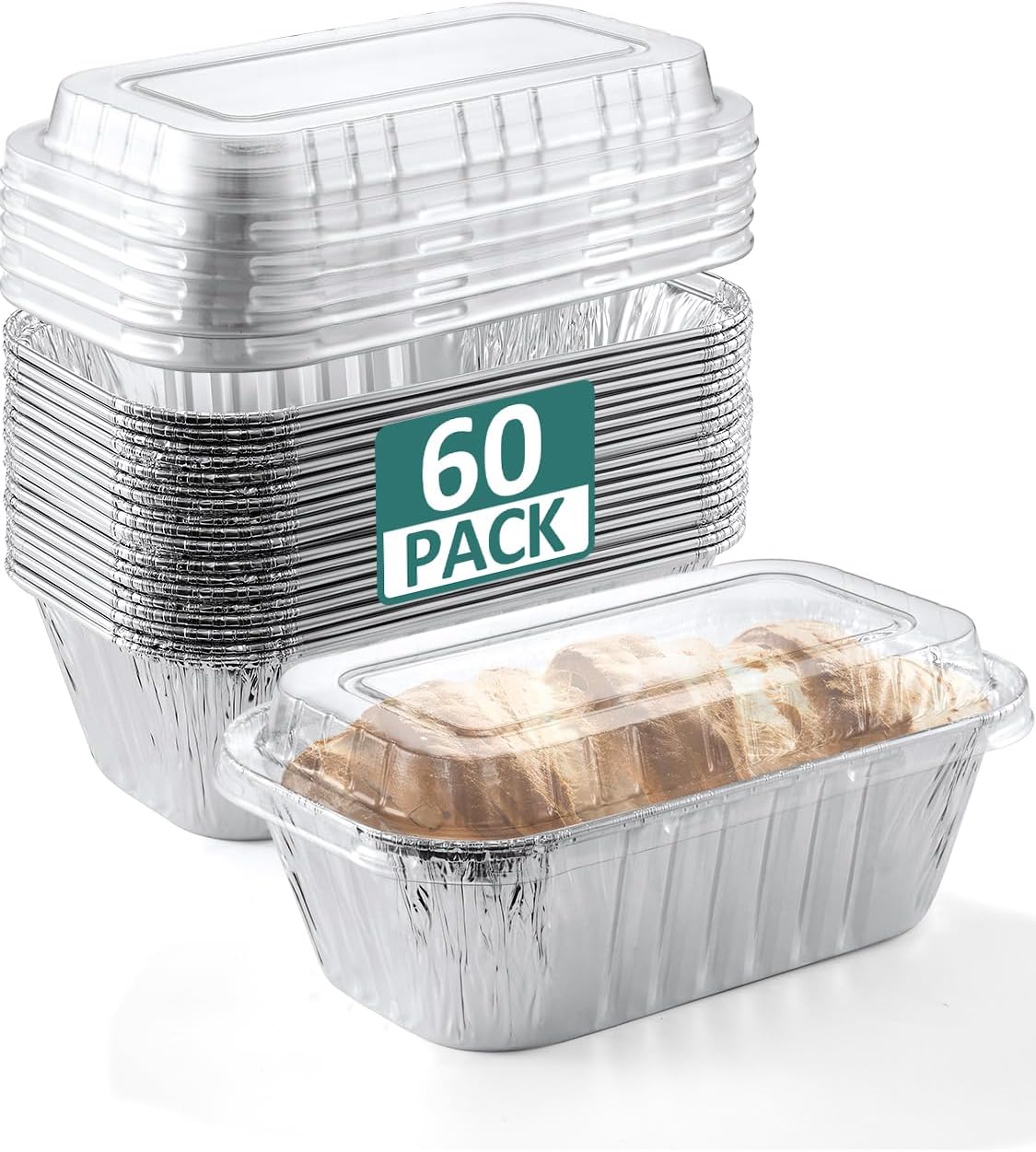
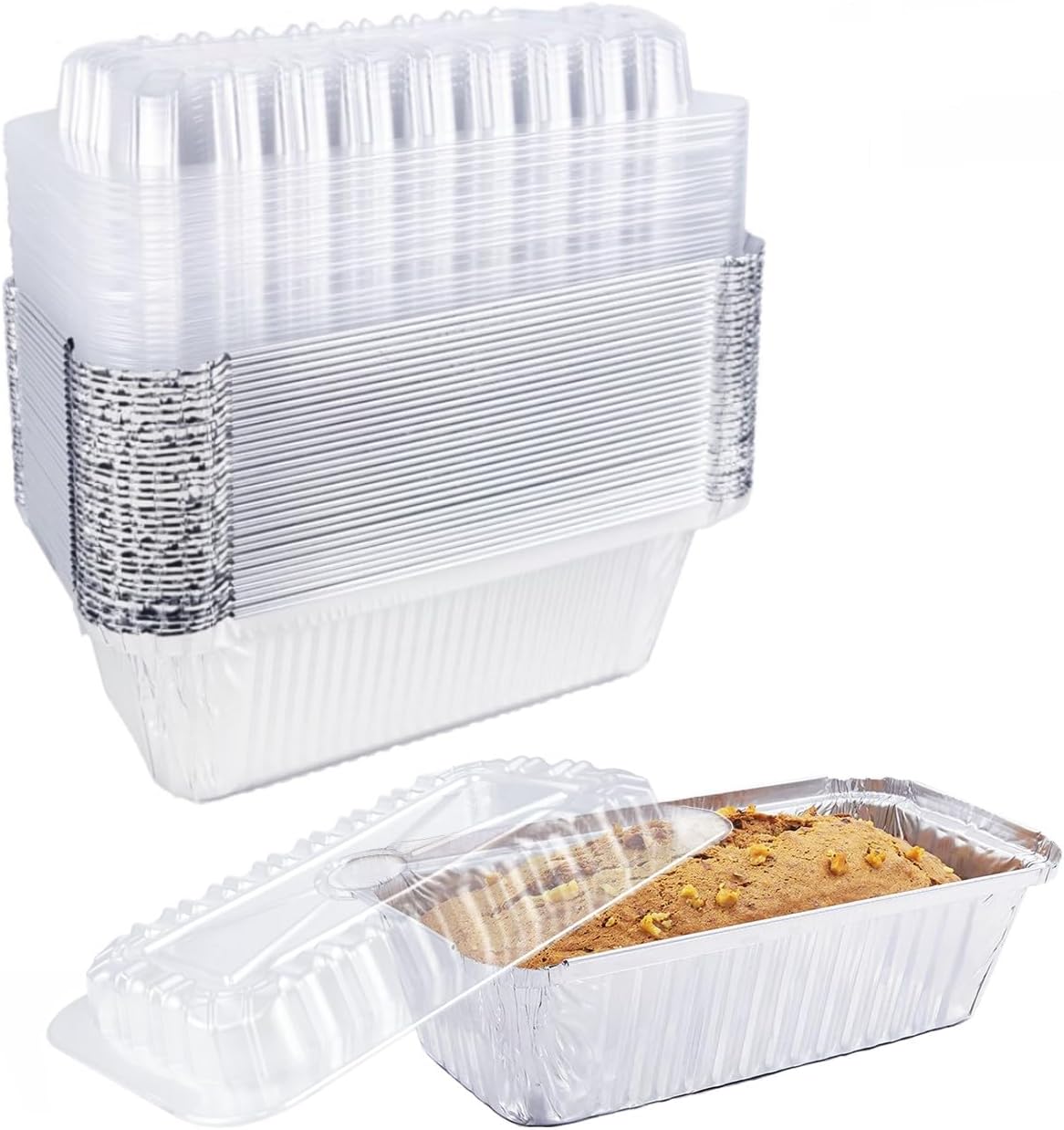
Clear plastic lids provide a practical way to monitor contents and showcase baked goods without opening containers. Sealed edges help lock in baking aromas and maintain freshness during storage or transport to outdoor events. These covers make stacking prepared meals inside refrigerators or freezers straightforward, keeping your kitchen organized and protecting food from ambient refrigerator odors while maintaining visual clarity.
Evaluating lid compatibility is essential for safe food storage and convenient portability during camping trips or picnics. Remember that matching transparent covers serve storage and transport roles rather than active baking functions. Keeping lids detached during heating cycles prevents thermal distortion, ensuring your containers remain functional for both long-term freezing and short-term travel requirements.
Assessing Included Accessories and Extras
Some disposable pan sets include helpful accessories like parchment paper sheets and customizable adhesive stickers. Parchment liners assist with delicate batter release, reducing the risk of food sticking to metal surfaces during baking. Writable stickers allow you to note baking dates, blessing messages, or dietary classifications, making food management much simpler when preparing meals ahead of time for family members or charity events.
Bundled extras add tangible value by streamlining both the baking process and subsequent food distribution tasks. Having pre-cut parchment and identification labels eliminates guesswork during busy meal prep routines. Assessing whether a package includes these extras helps you choose sets tailored specifically for gifting baked goods or organizing systematic freezer storage without buying additional kitchen supplies separately.
Evaluating Quantity Counts and Bulk Value
Package quantities range from smaller thirty-count packs to extensive sixty-count sets suitable for large gatherings or commercial foodservice use. Selecting the right volume depends on your frequency of baking and whether you need containers for weekly meal prep or one-time events. Bulk purchasing reduces the need for frequent reordering, ensuring you always have dependable pans on hand for impromptu baking projects or holiday cooking.
Balancing pack count with your storage space prevents clutter in home pantries or commercial storage shelves. While larger packs offer greater convenience for frequent bakers, smaller sets suit occasional users who prefer modest quantities. Assessing your typical usage frequency guides you toward the most practical purchasing option without accumulating excess supplies that take up valuable kitchen storage room.
Convenience of Disposable Designs and Cleanup
Disposable aluminum pans eliminate the tedious task of scrubbing baked-on residue from traditional metal or glass bread molds. This feature makes them exceptionally popular for busy households, outdoor barbecues, camping trips, and catering operations where time is limited. Once meals are finished, you can simply discard or recycle the containers, allowing everyone to spend more time enjoying food rather than tackling kitchen cleanup chores.
The ability to throw away used trays also simplifies sharing leftovers with friends, neighbors, or colleagues without worrying about retrieving borrowed dishware. While aluminum foil pans offer sturdy performance during cooking and freezing, their single-use nature streamlines post-event sanitation. This convenience transforms routine meal preparation and entertaining into a more manageable experience from baking to final disposal.
Frequently asked questions
Can I put the plastic lids in the oven when baking bread?
No, you should never place the plastic lids inside the oven during heating or baking cycles. Matching plastic covers are designed exclusively for food storage, refrigeration, freezing, and transport purposes. Exposing these plastic lids to high oven temperatures will cause severe melting and structural damage. Always remove the lids completely before putting your aluminum pans into conventional or toaster ovens, and wait for the baked goods to cool fully before snapping the covers back into place.
Are these aluminum loaf pans safe to use in the freezer?
Yes, these aluminum loaf pans are suitable for freezer use, making them a practical choice for meal prep and batch cooking. You can prepare casseroles, meatloaves, or unbaked bread dough directly inside the pans, cover them with the provided lids, and store them safely at low temperatures. The durable metal construction withstands freezing conditions without cracking, allowing you to prepare meals in advance and thaw or reheat them whenever you need a quick home-cooked dinner.
Do I need to grease the pans before adding bread batter?
While aluminum foil pans offer reliable performance, greasing them or using included parchment paper sheets can further prevent sticking, especially with delicate dessert batters or sticky bread dough. Some product bundles include custom parchment paper liners specifically designed to handle high baking temperatures. If your specific set does not include parchment liners, applying a light coating of butter or cooking spray helps ensure your finished loaves release smoothly without tearing the crust.
Can these foil pans be reused, or are they strictly single-use?
Although crafted from durable heavy-duty aluminum foil, these containers are primarily designed as disposable products intended for convenient single use followed by easy discarding. However, their sturdy construction means they can be hand washed and reused multiple times if you prefer retaining them. Keep in mind that repeated use may lead to gradual metal flexing or wear, so inspecting the pans before each bake is recommended to ensure structural integrity and safe food handling.
What is the difference between mini loaf pans and two-pound pans?
The primary difference lies in their physical dimensions and overall food capacity. Mini loaf pans typically measure around six inches in length and suit individual portions, snacks, or small-batch gifts. In contrast, two-pound pans measure eight inches or longer and provide significantly more volume for standard family-sized bread loaves, cakes, and substantial meatloaves. Selecting the correct size ensures your specific recipe ingredients fit comfortably without overflowing during the baking process.