Appliances · Buying Guide
Best food lion pizza dough alternatives and convenient dry mixes for home baking
Finding dependable pizza dough options for homemade meals involves looking at various dry mixes and pre-measured kits available on the market. Whether you are planning a quick weeknight dinner or hosting a weekend gathering, having access to shelf-stable ingredients simplifies the entire baking process from start to finish.
This overview explores several popular packaged pizza dough mixes, detailing their preparation times, style variations, and pack counts. By examining these attributes, home cooks can select the ideal flour blend or crust kit to match their schedule and dietary preferences without guessing about performance.
As an Amazon Associate, StacyLaughs earns from qualifying purchases.
Buying guide
Evaluating Prep Times and Proving Windows
When selecting a packaged pizza dough mix, understanding the required preparation time is essential for meal planning. Some kits require only a brief five-minute rest period, allowing you to move from box to oven almost immediately. Other specialty flour blends require a multi-hour proving window to let the yeast develop proper elasticity and flavor.
Reviewing your schedule helps determine whether a quick-rising mix or a traditional slow-rise option fits your routine. Busy weeknights often call for rapid options, while weekend gatherings accommodate longer proving intervals.
Understanding Style Variations and Flour Types
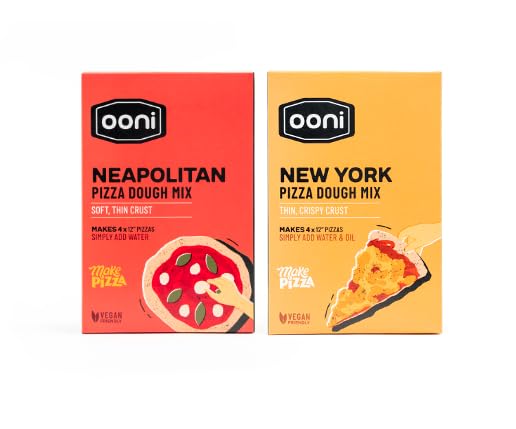
Different pizza dough mixes cater to specific regional preferences, such as thin Neapolitan bases or classic New York styles. Neapolitan mixes typically focus on soft, thin centers with raised, airy edges. New York style options offer a foldable texture designed to support heavier layers of cheese and toppings.
Additionally, certain kits utilize finely milled Italian 00 flour, which provides a distinct texture compared to standard grocery store all-purpose flour blends. Matching the flour type to your preferred crust profile ensures satisfying baking results.
Portion Sizes and Yield Considerations
Package weights and final yield numbers vary significantly among available dry mixes. Single-serve packets typically produce one 12-inch crust, making them convenient for individual meals or small households. Larger multi-pack boxes yield multiple dough balls or several larger pizzas suitable for families and guests.
Calculating how many people you plan to feed prevents running out of dough or preparing excess amounts that require storage. Assessing box weights alongside advertised pizza diameters clarifies how far each package stretches.
Included Ingredients and Additional Requirements
Most dry pizza dough mixes include the essential flour and yeast blend within the sealed package. Users generally only need to supply warm or hot water to activate the yeast and bind the dry components together. Some comprehensive kits may also feature seasoning packets or specific specialty flour types imported from origin regions.
Checking the ingredient list ensures you have all necessary items on hand before starting. While water is usually the sole required addition, verifying package contents prevents unexpected trips to the pantry.
Versatility Beyond Standard Pizza Crusts
Certain pizza dough mixes offer multi-use capabilities that extend beyond flat round pies. Versatile flour kits can be adapted to create calzones, stromboli, focaccia, garlic knots, and breadsticks using the same foundational dough. This flexibility allows home cooks to experiment with different Italian-inspired recipes from a single package type.
If you enjoy baking various bread-based items, selecting a multi-purpose kit provides greater culinary variety. Reviewing manufacturer descriptions highlights whether a specific mix supports these alternative baking shapes.
Storage and Pantry Management
Dry pizza mixes offer the benefit of long shelf stability when stored properly in a cool, dry pantry. Buying multi-packs ensures you always have a backup option available for impromptu weekend pizza nights. However, keeping multiple bulky bags requires adequate cabinet space and organization.
Reviewing package counts and box dimensions helps you fit these dry goods into existing kitchen storage without overcrowding. Proper pantry placement protects the sealed yeast and flour from moisture exposure.
Frequently asked questions
Do packaged pizza dough mixes require fresh yeast?
Most packaged pizza dough mixes include the necessary dry or instant yeast directly in the box or bag. Users typically only need to add water to activate the pre-measured yeast components. You rarely need to purchase or measure separate yeast packets unless specified by the particular manufacturer instructions.
How long does it take for dry pizza mix to become ready?
Preparation times vary depending on the specific product formulation. Some quick mixes require only a five-minute rest period after adding hot water. Other specialty Neapolitan or New York style mixes require a proving window of approximately three hours to achieve proper consistency.
Can I make alternative items like garlic knots with pizza mix?
Certain versatile pizza dough kits are explicitly formulated to support multiple recipes beyond flat crusts. Products featuring Italian 00 flour often include guidelines for shaping calzones, stromboli, focaccia, garlic knots, and breadsticks. Always check individual product features to confirm recommended alternative uses.
What size pizza does a standard mix usually make?
Many standard single-serve mix packets yield one 12-inch pizza crust. Larger bulk packages or multi-ball kits often make four separate 12-inch bases or multiple smaller portions depending on the total bag weight and manufacturer specifications.
What extra ingredients do I need to supply at home?
For most dry pizza dough mixes, water is the only essential ingredient you need to provide. Hot or warm water is added to the flour and yeast blend to initiate the dough-forming process. Toppings such as sauce, cheese, and meats are added separately by the user.