Appliances · Buying Guide
Best Fool Proof Sourdough Starter Tools and Warmers for Perfect Loaves
Cultivating a reliable yeast culture at home is the foundation of artisan bread making. Whether you are building your first wild yeast culture or upgrading your current kitchen routine, having the right equipment transforms the process. Complete kits and precise warming devices remove the guesswork from fermentation, ensuring your dough rises predictably every single time.
Exploring dedicated fermentation tools allows bakers to control ambient temperatures and manage proofing schedules effortlessly. From natural rattan baskets to digital temperature-controlled heating mats, these accessories support every stage of baking. Selecting the proper setup depends on your kitchen environment and whether you need an all-in-one bundle or specialized temperature regulation.
As an Amazon Associate, StacyLaughs earns from qualifying purchases.
Buying guide
Assessing Container Capacity and Mouth Width
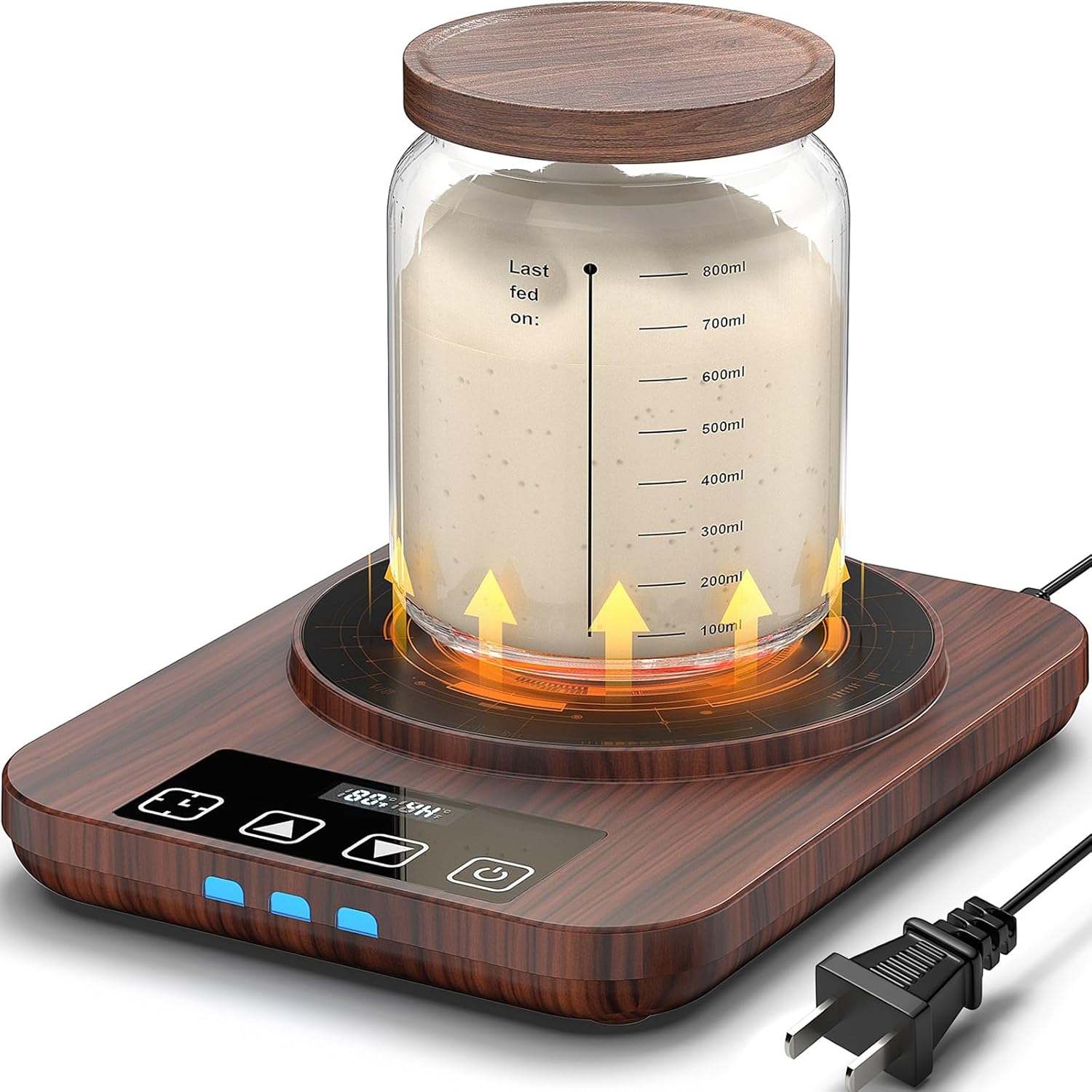
Choosing the right vessel for your wild yeast culture starts with evaluating capacity and physical dimensions. A standard twenty-four-ounce glass jar provides ample room for regular feeding routines without taking up excessive counter space in smaller kitchens. Wide openings make stirring fresh flour and water much simpler, preventing messy powder spills during daily maintenance tasks and allowing easy extraction of thick starter when baking.
Transparent walls allow bakers to observe gas bubble formation and volume expansion clearly between feeding cycles. Clear measurement markings printed on the side help track rise times accurately over several hours. Selecting a container sized appropriately for your household baking volume ensures you always have enough active culture ready for regular weekend baking sessions without constant overflowing risks.
Evaluating Temperature Control and Thermal Mats
Maintaining stable ambient temperatures is crucial for predictable fermentation, especially during cold winter months when indoor room heat drops significantly. Dedicated warming mats offer degree-by-degree adjustments to keep cultures securely inside their ideal thermal window. Utilizing an appliance with precise numerical controls eliminates guesswork when environmental conditions fluctuate unexpectedly inside residential kitchens, speeding up overall activity.
Smart timers and auto shut-off functions add daily convenience by preventing accidental over-proofing during extended overnight fermentation periods. Compact heating profiles fit easily beneath standard glass jars while consuming minimal electrical power. Selecting a reliable thermal pad ensures your sourdough culture remains active and vigorous regardless of seasonal weather changes in your living space.
Understanding Proofing Baskets and Rattan Materials
Shaping artisan loaves requires supportive proofing vessels that wick away excess moisture while maintaining structural integrity. Natural Indonesian rattan baskets create classic spiral patterns on the crust while allowing essential airflow around the rising dough. Selecting splinter-free construction ensures safe handling and prevents unwanted plant debris from embedding into your bread dough during the final proof.
Proper maintenance involves light flour dusting prior to dough placement to minimize sticking issues. Allowing the basket to dry completely after use preserves the natural material and prevents moisture damage over time. Choosing a sturdy basket reinforced with hidden staples guarantees long-term durability for countless baking sessions ahead in your kitchen.
Utilizing Advanced Probe Monitoring Systems
Advanced fermentation devices incorporate stainless steel probes to measure core temperatures directly inside the fermenting mass rather than relying on ambient air. This direct tracking removes ambiguity regarding how warm your culture actually is during critical growth phases. Bakers can fine-tune heating settings based on precise internal readings rather than external room temperature guesses across different seasons.
Integrating a probe requires careful positioning during daily feedings to ensure accurate data collection without disturbing the delicate culture structure. While adding a minor procedural step to your routine, this precision yields remarkably consistent results across multiple baking batches. It represents a worthy upgrade for serious bakers chasing repeatable artisan bread outcomes consistently.
Managing Accessory Bundles and Storage Space
Comprehensive baking kits bundle numerous specialized tools ranging from silicone slings and dough whisks to scoring lames and cleaning brushes. Evaluating your available kitchen cabinet storage space helps determine whether a large multi-piece collection or a streamlined starter pairing fits your lifestyle. Dedicated organization keeps every accessory readily accessible when active baking sessions begin in your kitchen.
Each included tool serves a specific purpose in the bread-making journey, from initial flour mixing to safe hot oven transfers. Cleaning multiple components requires dedicated effort after baking days conclude successfully. Balancing the convenience of having every tool on hand against cabinet storage limits ensures a satisfying long-term ownership experience.
Maintaining Food Safety and Material Quality
Ensuring food-contact safety is paramount when cultivating wild yeast cultures and proofing bread dough at home baking environments. Selecting accessories made from verified food-safe materials protects your ingredients from unwanted chemical odors or inferior manufacturing components. Natural rattan, un-dyed fabrics, and food-grade plastics provide complete peace of mind during daily preparation steps in your residential kitchen.
Following strict manufacturer maintenance guidance preserves the structural integrity of your baking tools over years of regular use. Avoiding harsh chemical detergents on glass jars and allowing natural components to air dry completely prevents premature degradation. Prioritizing quality materials ensures reliable performance across countless homemade loaves of artisan bread.
Frequently asked questions
Do I need a warming mat for a sourdough starter?
A warming mat is not strictly required, but it is exceptionally helpful if your kitchen runs cold during winter months. Maintaining a stable temperature between seventy and eighty-two degrees Fahrenheit speeds up fermentation and ensures predictable yeast activity. If your home stays naturally warm year-round, you may not need external heat. However, bakers struggling with slow rises or sluggish cultures often find that precise thermal control significantly shortens proofing times and improves overall bread texture consistency.
How do I clean a rattan proofing basket?
Cleaning a natural rattan proofing basket requires minimal effort if handled correctly after each baking session. You should never submerge the basket in water or wash it with harsh dish soap. Instead, let any leftover dough dry completely, then gently brush or pat the surface to remove excess flour buildup. Storing the basket in a well-ventilated area ensures it dries fully, preventing mold growth and maintaining the structural integrity of the natural rattan material for years of future baking.
What size jar is best for a sourdough starter?
A twenty-four-ounce jar is widely considered an ideal size for maintaining a healthy wild yeast culture at home. This capacity provides enough volume to feed your starter regularly and produce enough active culture for multiple bread loaves without overflowing. Wide-mouth designs are particularly beneficial because they allow you to easily stir flour and water together while simplifying the process of scraping out mature starter when you are ready to mix your final dough.
What is the purpose of a dough temperature probe?
A dough temperature probe measures the core temperature directly inside the fermenting culture rather than just tracking the ambient air temperature around the jar. This direct internal reading removes guesswork and helps bakers accurately monitor how warm the active yeast is during critical growth phases. It allows for precise adjustments to heating devices, ensuring consistent fermentation results even when room conditions fluctuate unexpectedly throughout the day or night.
Are all-in-one sourdough kits good for beginners?
All-in-one sourdough kits are excellent for beginners because they gather all necessary tools into a single convenient purchase. Instead of sourcing jars, baskets, whisks, and scoring blades separately, beginners receive a coordinated set designed to support the entire baking journey from initial culture creation to final oven transfer. Many kits also include printed guides or digital app access to help eliminate confusion and build confidence during your very first baking attempts.