Appliances · Buying Guide
Best Tools for Real Dough Pizza Making at Home
Making real dough pizza at home involves specific steps like mixing, proofing, rolling, and baking. Having the right physical tools helps home cooks manage each stage efficiently without unnecessary complications or delays. Whether you are prepping individual dough balls or seeking a high-heat baking surface, proper equipment simplifies the process from start to finish.
Different setups require distinct accessories tailored to your kitchen space and cooking style. From stainless steel proofing boxes to heavy-duty baking steel sheets, understanding the physical attributes of each item ensures you select practical additions for your weekly baking routine. Evaluating dimensions, materials, and maintenance needs keeps your kitchen running smoothly and keeps your ingredients organized.
As an Amazon Associate, StacyLaughs earns from qualifying purchases.
Buying guide
Sizing and Capacity Requirements
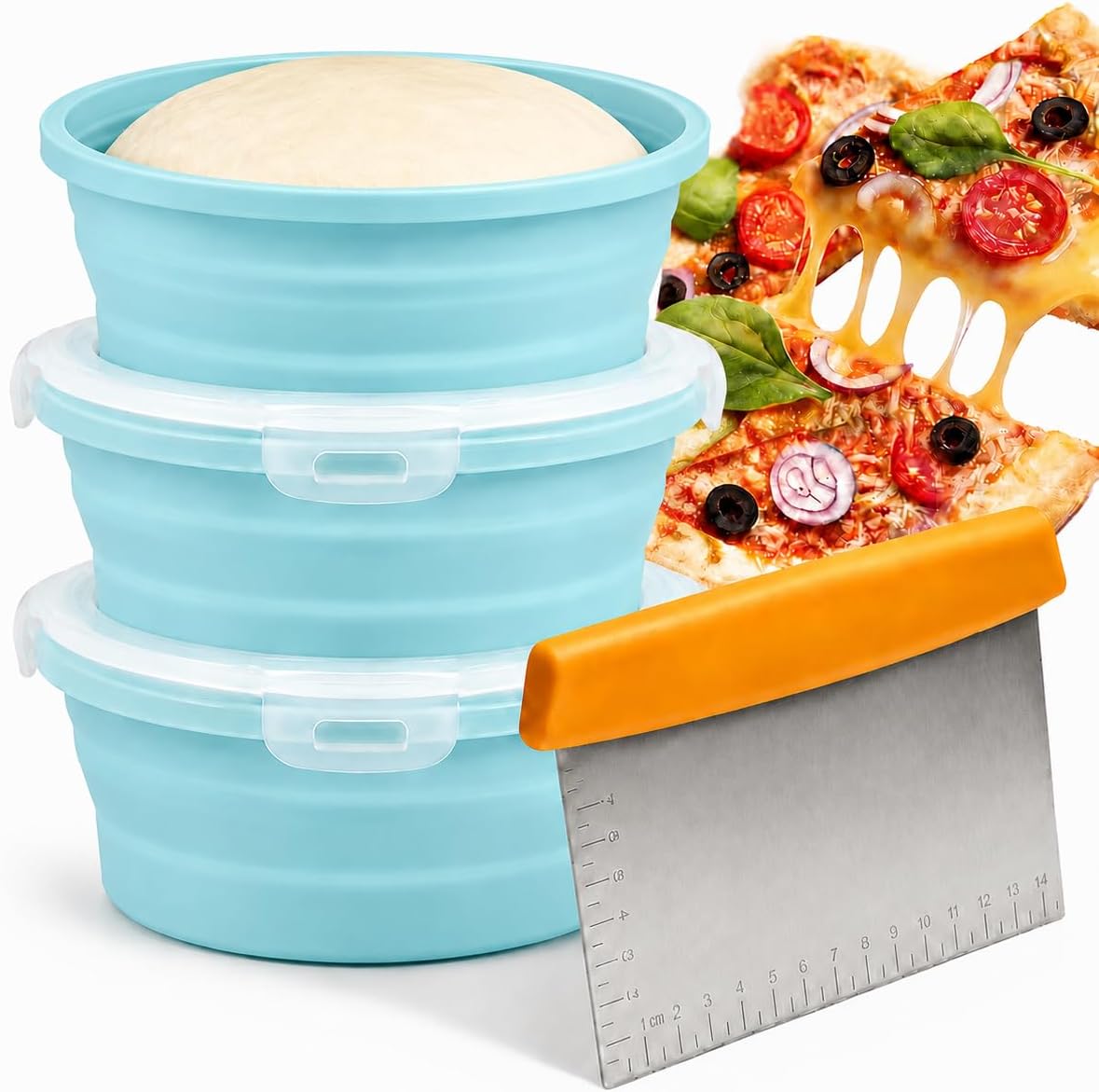
Choosing the correct container size ensures your pizza dough balls proof correctly without touching adjacent surfaces or spilling over the edges. A standard 12 to 14-inch pizza requires approximately four hundred grams of dough, matching 40 to 44-ounce capacities nicely. Evaluating your refrigerator shelf space before purchasing multi-pack containers prevents storage conflicts during busy baking days and keeps everything organized.
Compact kitchens benefit greatly from stackable designs or collapsible structures that minimize wasted vertical space. Measuring your interior depth and shelf clearance guarantees that proofing boxes fit neatly alongside other groceries during cold fermentation periods. Taking accurate measurements avoids buying oversized units that overcrowd standard kitchen shelves and disrupt airflow.
Material Selection and Durability
Material selection dictates how long your pizza-making accessories will last and how easily they can be cleaned after use. Stainless steel offers exceptional resistance to stains and cracking while handling frequent trips through the dishwasher without degrading. On the other hand, food-grade silicone provides flexible non-stick properties that simplify dough removal and allow for collapsible storage options.
Raw low-carbon steel delivers unmatched thermal conduction for baking, but it requires periodic seasoning with oil to build a protective non-stick patina. Plastic docker rollers offer lightweight handling but demand careful pressure to avoid bending during use. Weighing material pros and cons helps you match tools to your long-term maintenance preferences.
Heat Management and Baking Surfaces
Achieving a crispy crust at home depends heavily on how efficiently your cooking surface transfers heat to the raw dough. Heavy-duty baking steel conducts heat up to twenty times faster than traditional ceramic stones, allowing for rapid cooking times in standard kitchen ovens. High thermal mass ensures the steel retains intense heat even when loaded with cold pizza dough.
Operating safely at high temperatures requires robust materials that withstand direct thermal shock without cracking or warping over time. Ensuring your oven rack can support heavy steel plates prevents structural accidents during preheating. Checking maximum temperature ratings guarantees reliable compatibility with high-heat baking requirements across various appliances.
Fermentation and Dough Preparation
Proper fermentation transforms basic flour and water into flavorful, extensible dough ready for stretching. Airtight lids on proofing containers trap internal moisture, stopping the outer skin of the dough from drying out and forming an unwanted crust during long rests. Clear lids let you monitor rising progress without releasing accumulated humidity or disturbing the active yeast activity.
Electric mixing appliances simulate traditional hand kneading through programmed pause cycles, developing gluten naturally without manual physical strain. Combining automated mixing with temperature-controlled proofing boxes creates a stable environment for yeast development. Selecting physical tools that support these biological stages improves the texture and chewiness of your final baked crust.
Cleaning and Maintenance Requirements
Kitchen tools that handle sticky dough require straightforward cleaning procedures to prevent lingering residue buildup over time. Dishwasher-safe components save considerable time after a baking session, letting you place containers and docker rollers directly on upper racks for effortless sanitization. Stainless steel and silicone surfaces resist stubborn food particles effectively during routine washing cycles without degrading.
Raw carbon steel baking sheets demand alternative care, requiring manual hand washing and periodic oil seasoning to prevent rust formation. Following manufacturer maintenance instructions ensures your equipment remains functional and hygienic for years of regular home pizza preparation. Proper upkeep prevents premature wear and preserves optimal cooking performance across all items in your kitchen.
Kitchen Space and Storage Convenience
Countertop appliances and heavy baking accessories require dedicated storage solutions to keep your kitchen organized and functional. Compact electric mixers take up permanent counter space, making them ideal for dedicated bakers with roomy cooking areas. In contrast, stackable proofing boxes and foldable silicone containers nest neatly inside cabinets, conserving valuable space in smaller kitchens during off-seasons.
Assessing available storage before purchasing bulky items prevents cluttered countertops and overcrowded pantries. Choosing multi-pack accessories with nesting capabilities allows you to expand your proofing capacity without sacrificing everyday workspace availability. Planning where each heavy or bulky item lives ensures a smooth workflow every time you bake pizza.
Frequently asked questions
How do I prevent pizza dough from blistering in the oven?
Using a dedicated dough docker roller helps prevent unwanted blistering and puffing on your crust. As you roll the plastic spiked tool across your flattened dough surface, it punctures tiny, even holes that allow trapped steam to escape during baking. This simple mechanical step keeps your pizza crust flat and uniform, ensuring cheese and toppings bake evenly across the entire pie without large air pockets forming in the center. It takes only seconds to complete before adding your favorite sauce and toppings.
What is the benefit of using a baking steel instead of a stone?
Baking steel conducts thermal energy up to twenty times more efficiently than standard ceramic baking stones, delivering intense, even heat directly to your pizza crust. This rapid heat transfer cooks pizzas in under ten minutes, replicating the performance of a high-heat wood-fired oven using a standard household appliance. Furthermore, low-carbon steel is virtually indestructible and will not crack from thermal shock, making it a durable alternative to fragile ceramic options that can shatter under extreme temperature swings.
Why should I proof pizza dough balls in individual containers?
Proofing dough balls in separate containers ensures each portion maintains its distinct shape and size during the fermentation process. Using airtight containers with clear lids prevents the outer surface of the dough from drying out while letting you monitor rising progress without opening the seal. This method keeps individual portions from interfering with one another, allowing for consistent cold fermentation and reliable results whether you are making traditional pizza, sourdough, or homemade bread.
How do I clean and maintain a raw carbon steel baking sheet?
Raw carbon steel requires manual hand washing rather than automated dishwasher cycles to protect its bare metal surface. After washing your steel, dry it thoroughly and apply a very thin coat of cooking oil before baking it in the oven for one hour to build a natural non-stick patina. Avoid harsh abrasive scrubbers that strip away this protective seasoning layer, and store the heavy steel plate in a dry location to prevent rust accumulation between baking sessions.
Can electric dough makers handle fermentation as well as mixing?
Certain electric dough makers feature built-in constant-temperature ferment modes designed to maintain a stable environment between seventy-seven and one hundred degrees Fahrenheit. These appliances combine mixing and proofing functions into a single system, using simulated hand-kneading programs to develop gluten naturally before holding the temperature steady for the rising phase. Removable bowls and dishwasher-safe parts simplify cleanup, making them practical countertop units for bakers who want automated assistance from flour to finished dough.