Appliances · Buying Guide
Best Containers to Freeze Homemade Pizza Dough and Proof Balls
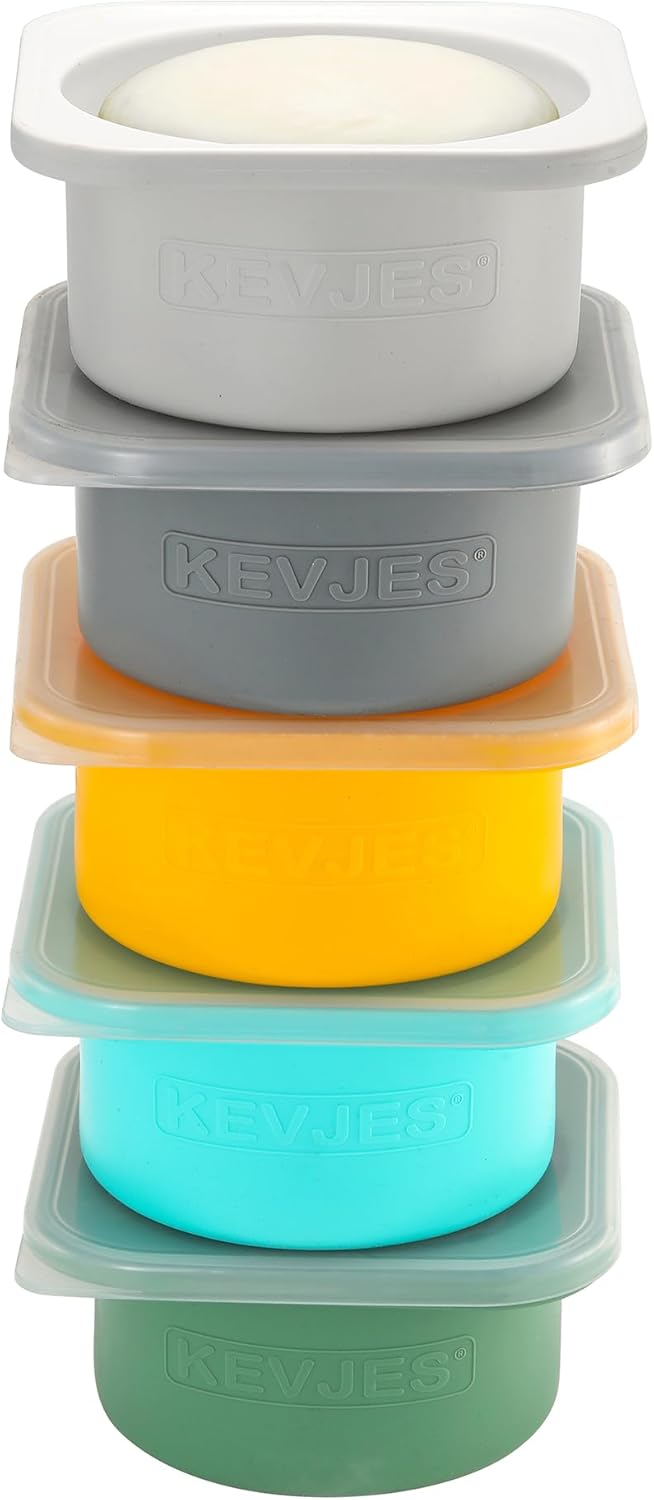
Preparing homemade pizza dough ahead of time requires reliable containers that can transition seamlessly from refrigeration to the freezer. When you want to freeze homemade pizza dough, selecting vessels designed specifically for individual portions prevents the dough from sticking or absorbing unwanted freezer odors. Using dedicated silicone boxes with secure lids helps maintain moisture levels during storage.
Proper sizing matters when storing yeast-based doughs for future baking sessions. Whether you are prepping smaller portions for classic personal pies or larger batches for family-sized meals, structured containers with reinforced frames offer stability during handling. Exploring the right storage options ensures your dough stays protected, organized, and ready for your next baking day.
As an Amazon Associate, StacyLaughs earns from qualifying purchases.
Buying guide
Material Composition and Food Safety
Choosing containers made from food-grade silicone ensures your homemade pizza dough remains safe from harmful chemical exposure during long cold fermentation periods in the refrigerator. High-quality silicone is naturally free from BPA and handles extreme temperature changes, transitioning safely from the freezing compartment to the kitchen counter without degrading or cracking.
Flexible silicone also prevents sticky dough from adhering permanently to the interior walls, making manual or machine cleanup much easier when baking day finally arrives. Checking for durable food-safe specifications guarantees long-term reliability for your regular baking routine.
Capacity and Portion Sizing
Matching container volume to your specific pizza-making habits prevents overcrowding and ensures your homemade dough rises correctly during the cold fermentation process. Smaller 500ml vessels suit individual 180 to 250g portions perfectly, while larger 1000ml boxes accommodate substantial 300g balls designed for filling family-sized meals. Selecting the correct size keeps your dough properly contained and protected.
Evaluating your typical batch size helps you select the right balance between personal portions and large-scale artisan preparations. Proper capacity allows the active yeast dough to expand freely without pushing aggressively against the lid during the initial proofing stage in the refrigerator or freezer. Accurate sizing prevents structural overflows and maintains consistent crust texture.
Airtight Lid Security and Moisture Control
An airtight lid is essential when you freeze homemade pizza dough to prevent freezer burn and block out stray refrigerator odors from altering the delicate flavor profile of your crust. Clear lids offer the added advantage of letting you monitor the rising yeast dough visually without having to break the protective seal prematurely during cold fermentation stages.
Maintaining proper moisture levels stops the outer surface of the dough ball from forming an unwanted dry, leathery skin during extended cold storage phases in your freezer. Secure locking mechanisms ensure that necessary humidity remains trapped inside the flexible silicone vessel for optimal baking results later in the week.
Structural Reinforcement and Stability
Flexible silicone storage boxes benefit greatly from embedded steel frames that provide rigid structural stability during everyday handling and transport routines in the kitchen. When you lift a heavy, resting dough ball, a reinforced rim prevents the flexible container from sagging or spilling its contents across your counter surfaces unexpectedly during meal preparation.
This added steel reinforcement ensures that stackable boxes remain remarkably stable when placed securely on top of one another in crowded freezer shelves or refrigerator compartments. Durable framing protects your delicate dough shape against accidental bumps and structural shifts inside busy domestic kitchen environments throughout the entire week of baking tasks and storage.
Storage Space and Stackability
Efficient storage management is crucial when handling multiple batches of homemade pizza dough within limited refrigerator and freezer real estate. Stackable container designs allow you to build vertical columns, saving valuable shelf space while keeping your individual dough portions neatly organized and easily accessible for upcoming baking nights. Proper vertical stacking prevents cluttered shelves.
When not in active use, nestable boxes condense down into compact footprints to free up crowded kitchen cabinet storage areas between regular baking projects. Evaluating your available shelf dimensions helps determine whether compact 500ml systems or larger 1000ml sets fit your domestic storage layout most effectively throughout the year without causing crowding issues.
Maintenance and Cleaning Convenience
Maintaining clean dough storage vessels ensures hygienic food preparation and prevents leftover yeast residue from building up over time in your home kitchen environment. Many silicone containers support convenient dishwasher cleaning cycles, saving valuable time after you finish proofing and freezing your homemade pizza dough batches for the upcoming week of family meals.
Certain manufacturer care guidelines may recommend occasional hand washing alongside standard machine washing to preserve the flexible silicone surface quality over years of regular use in busy domestic kitchens. Following these specific maintenance instructions protects your investment in dedicated pizza making accessories and ensures lasting performance during ongoing baking tasks.
Frequently asked questions
Can I freeze homemade pizza dough directly in these silicone containers?
Yes, you can freeze homemade pizza dough directly inside these silicone proofing containers because the materials are rated for freezer storage. The airtight lids protect your dough balls from freezer burn and prevent unwanted kitchen odors from penetrating the yeast mixture during extended storage. For best results when removing the dough later, you can lightly spray the container interior with oil before placing your dough ball inside. This simple preparation trick ensures the frozen or thawed dough slides out smoothly without sticking or tearing its outer structure.
How do I prevent pizza dough from sticking to the container?
To prevent sticky yeast dough from adhering to the silicone walls, many bakers recommend applying a light coating of cooking oil or spray to the interior before adding the dough ball. The food-grade silicone material naturally resists sticking, but adding a thin layer of oil provides extra insurance, especially during cold fermentation and freezing cycles. When it is time to bake, the oiled surface allows the rested dough to release effortlessly from the vessel, keeping your carefully shaped rounds intact and ready for stretching.
What size container should I choose for my pizza dough?
Choosing the correct container size depends entirely on the weight of your dough balls and the size of the pizzas you plan to bake. Smaller 500ml containers are ideally sized for 180 to 250g dough portions, which create classic 10 to 12-inch personal pies. If you prefer larger family-sized crusts measuring 12 to 16 inches across, you should select 1000ml containers that comfortably hold 300g dough balls. Evaluating your typical batch size ensures your yeast dough has enough room to expand properly without overflowing.
Are these silicone dough containers dishwasher safe?
Most of these silicone dough containers are dishwasher safe, allowing for convenient cleanup after your pizza-making sessions. However, some manufacturer guidelines recommend occasional hand washing alongside standard machine washing to maintain the surface quality of the flexible silicone over long periods of regular use. Always check the specific care instructions for your chosen product model to ensure proper maintenance. Cleaning the containers promptly after removing thawed dough prevents stubborn yeast residue from drying onto the inner walls.
Why do these silicone containers feature a steel frame?
The embedded steel frame provides vital structural stability to the flexible silicone container, preventing it from sagging or bending when lifted. When you handle a heavy, resting dough ball, the reinforced rim maintains the rigid shape of the box, ensuring safer transport between your countertop, refrigerator, and freezer. This internal metal reinforcement also adds durability for stackable storage, allowing you to build vertical columns on crowded shelves without compromising the safety of the delicate yeast dough resting inside.