Appliances · Buying Guide
Best French Bread Baguette Pan Options for Home Bakers
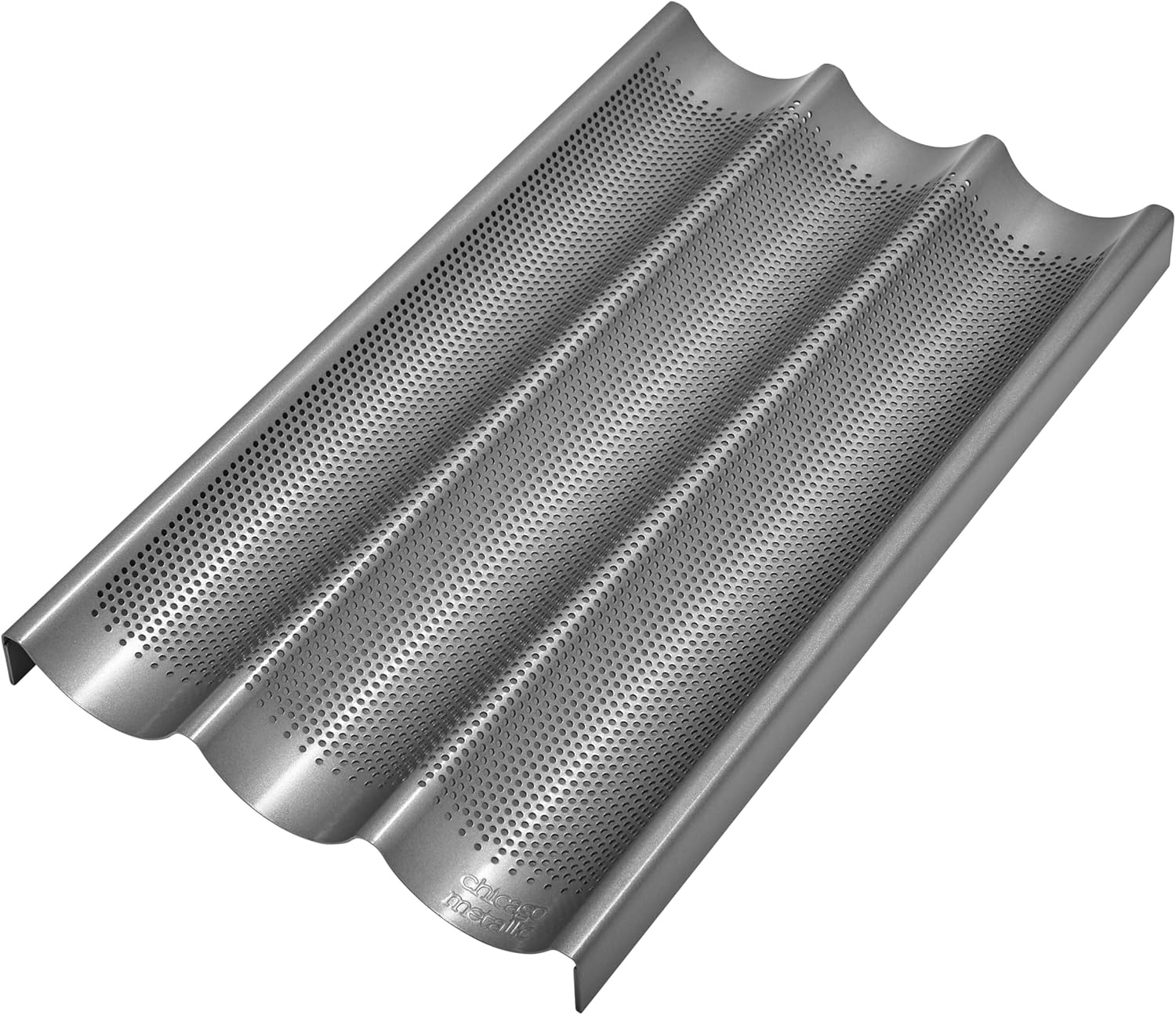
Baking authentic French bread at home requires specialized bakeware designed to shape long loaves and encourage proper crust development. A dedicated french bread baguette pan features wave-shaped channels and perforated surfaces that support dough integrity while letting hot air circulate freely around every side. These design elements help replicate professional bakery conditions in a standard kitchen oven.
Choosing the right model depends on your recipe style, batch size preferences, and oven dimensions. Options range from compact two-loaf alloy steel trays to expansive three-slot carbon steel and ceramic covered bakers equipped with specialized handles. Reviewing material specifications and cleaning instructions ensures your selected bakeware aligns with your routine culinary habits and kitchen storage capabilities.
As an Amazon Associate, StacyLaughs earns from qualifying purchases.
Buying guide
Material Composition and Durability
Selecting the right material directly impacts how evenly your pan distributes heat and how long the bakeware survives regular use. Carbon steel and heavy-gauge metals offer exceptional structural strength, resisting warping under high baking temperatures while delivering reliable thermal transfer. These rigid metals provide a sturdy foundation for shaping long loaves without flexing during transport into the oven.
Ceramic and stoneware alternatives introduce different thermal properties, retaining heat efficiently and capturing steam when paired with a lid. While metal trays heat up rapidly for quick crust setting, ceramic options excel at maintaining steady temperatures throughout extended baking cycles. Weighing your preferred baking style against material weight helps determine the best long-term addition to your kitchen equipment collection.
Perforation Patterns and Airflow
Perforations play a crucial role in achieving the characteristic crisp crust associated with traditional French baguettes. Small holes distributed across the tray surface allow hot air to circulate freely underneath the dough, drawing moisture away and promoting even browning. This constant airflow prevents soggy bottoms and helps replicate commercial bakery results directly inside standard residential ovens.
However, buyers must consider how dough consistency interacts with these open patterns. Very wet or slack dough mixtures may push through or cling to small holes if not handled correctly. Matching your typical dough hydration level with appropriate perforation density ensures smooth baking without frustrating sticking issues or structural failures on the tray.
Capacity and Loaf Dimensions
Evaluating pan capacity ensures your bakeware accommodates desired batch sizes without overcrowding your kitchen appliances. Most standard trays feature two or three distinct channels, letting you bake multiple individual loaves or sandwich rolls simultaneously. Reviewing overall length and width specifications guarantees the tray fits comfortably inside your specific oven interior and designated storage cabinets without awkward angles.
Individual gutter width also matters when shaping diverse bread types like thick Italian loaves or slender sub rolls. Narrower channels maintain distinct separation for delicate baguettes, while wider wells support larger artisan creations. Matching dimensions to your favorite recipes prevents cramped baking and ensures uniform expansion from end to end during rising.
Surface Coatings and Release
Nonstick coatings simplify the process of removing delicate baked breads without tearing the crust or leaving dough residue behind. Factory-applied layers on metal pans facilitate effortless release, letting finished baguettes slide off smoothly onto cooling racks. This feature reduces cleanup time and minimizes the need for heavy oil applications before every single baking session.
Uncoated ceramic or heavy stoneware surfaces require alternative preparation methods, such as applying parchment paper or dusting with flour to achieve similar nonstick benefits. Understanding your comfort level with manual release preparation helps guide your pan selection. Prioritizing easy release features streamlines your baking workflow from dough transfer to final cleanup.
Thermal Ratings and Oven Limits
Checking maximum temperature ratings ensures your chosen bakeware can safely handle high-heat artisan bread recipes without thermal degradation. Many carbon steel and alloy metal pans support temperatures ranging from 446 to 450 degrees Fahrenheit, accommodating standard home baking requirements easily. Stoneware variants often push higher limits, tolerating heat up to 500 degrees Fahrenheit for intensive crust development.
Operating within specified thermal boundaries prevents warping, coating degradation, or structural damage to your kitchen equipment over extended periods. Always verify manufacturer guidelines before utilizing specialized high-heat settings or preheating empty trays at maximum oven levels. Respecting these operational limits preserves the integrity of your bakeware across numerous successful baking cycles.
Maintenance and Cleaning Needs
Proper cleaning routines extend the lifespan of your bread pan and protect delicate nonstick surfaces from premature wear over time. While certain commercial metal pans tolerate automated dishwasher cycles, manufacturers frequently recommend gentle hand washing with mild soap and soft sponges to preserve specialized coatings. Adhering to these maintenance guidelines keeps your bakeware performing reliably.
Stoneware and ceramic options involve distinct cleaning considerations, frequently benefiting from gentle soaking or careful scrubbing to remove stubborn baked-on flour and starches. Establishing a consistent care habit prevents residue buildup and maintains a smooth release surface for future batches of bread. Balancing everyday cleaning convenience against manufacturer preservation recommendations ensures long-term satisfaction with your investment.
Frequently asked questions
Do I need to grease a nonstick baguette pan before baking?
While nonstick coatings are designed to facilitate easy release, applying a light coat of oil or lining the tray with parchment paper is often recommended by manufacturers for optimal results, especially with sticky doughs. This extra step provides an extra layer of assurance, preventing delicate crusts from sticking to the surface or perforations during baking. Following these preparation guidelines ensures your loaves slide off smoothly without tearing or leaving residue behind.
Can I bake different types of bread on a baguette pan?
Yes, these specialized pans accommodate a wide variety of long, shaped baked goods beyond traditional French baguettes. You can use the wave-shaped channels to bake Italian loaves, sub rolls, hoagies, hot dog buns, and even gluten-free bread formulations. The structured slots help maintain uniform spacing and shape expansion across different dough recipes, making these versatile trays exceptionally useful additions to your general kitchen bakeware collection.
How should I clean my perforated French bread pan?
Most manufacturers specify hand washing with mild soap and a soft sponge to protect nonstick coatings and metallic finishes from premature damage. While certain commercial-grade steel trays technically permit automated dishwasher cleaning, hand washing is routinely recommended to extend the lifespan of the protective surface. Avoid abrasive scrubbing pads that might scratch the coating, and ensure the pan is completely dry before storing it away in your kitchen cabinets.
Why do baguette pans have small holes across the surface?
The small perforations distributed across the tray are specifically engineered to allow hot air to circulate freely around the dough during the baking process. This active airflow draws excess moisture away from the outer layer of the bread, which helps create the signature crackly, golden-brown crust and light interior crumb associated with authentic artisan baguettes. However, very wet or slack doughs may require parchment paper to prevent dough from slipping through the holes.
Are stoneware baguette pans better than metal ones?
Stoneware and ceramic baguette bakers offer distinct advantages, such as superior heat retention and the ability to trap steam under a lid to develop exceptional crust textures. However, stoneware models are typically heavier and require manual preparation like parchment paper since they lack factory nonstick coatings. Metal pans heat up faster and offer lighter handling weight, meaning the best choice depends on whether you prioritize steam-trapping ceramic performance or lightweight metal convenience.