Appliances · Buying Guide
Best Frozen Pizza Oven Temp Settings for Crispy Crusts
Finding the ideal frozen pizza oven temp transforms a standard weeknight frozen meal into a crispy, pizzeria-style experience right on your kitchen counter. Traditional kitchen appliances often struggle to reach the intense heat required for a truly blistered crust and melted cheese, frequently leaving middle sections soggy or outer edges overcooked before the center warms through.
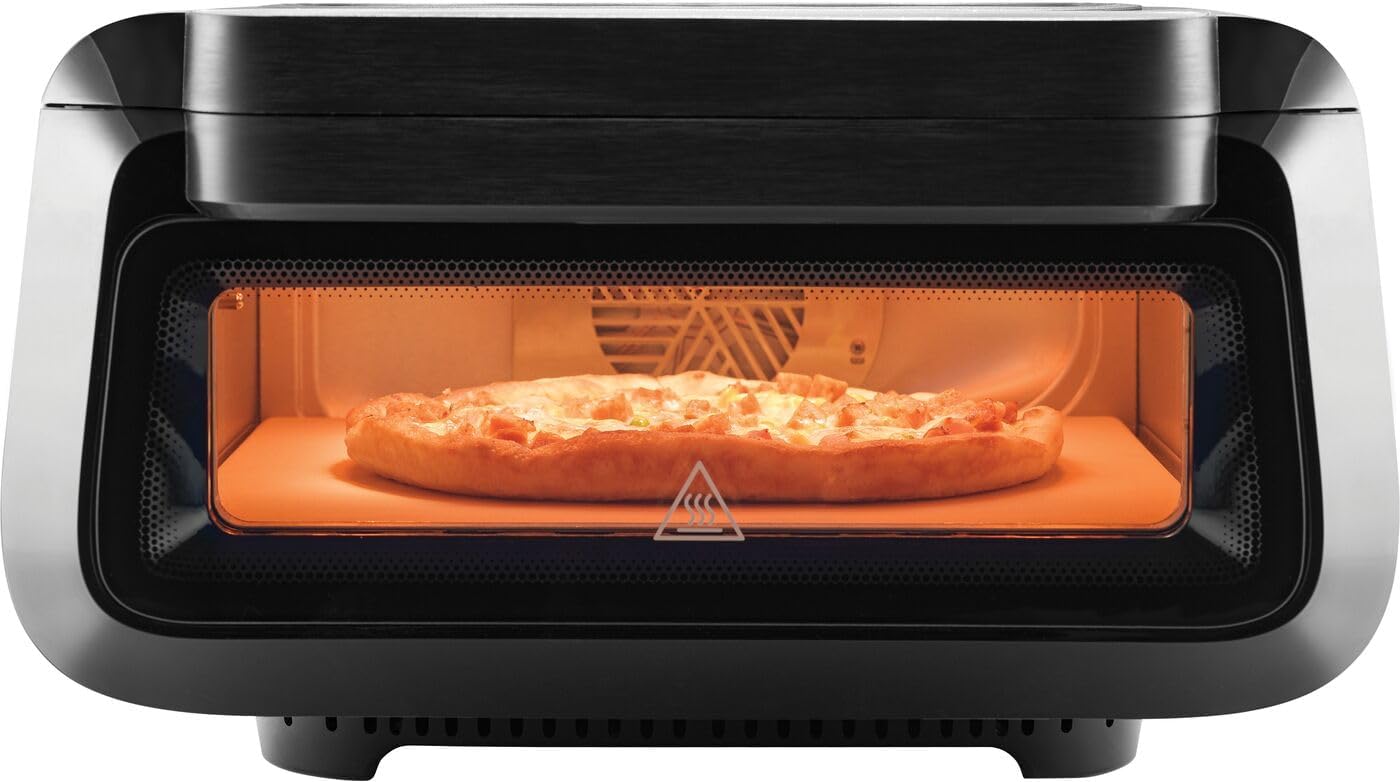
Modern countertop electric appliances bridge this gap by delivering targeted high-heat environments specifically calibrated for frozen, fresh, and custom dough types. Understanding how temperature ranges, dual heating elements, and specialized ceramic stones influence your cooking results ensures you select a dedicated machine matching your household routine and kitchen storage space.
As an Amazon Associate, StacyLaughs earns from qualifying purchases.
Buying guide
Temperature Range and High Heat Capabilities
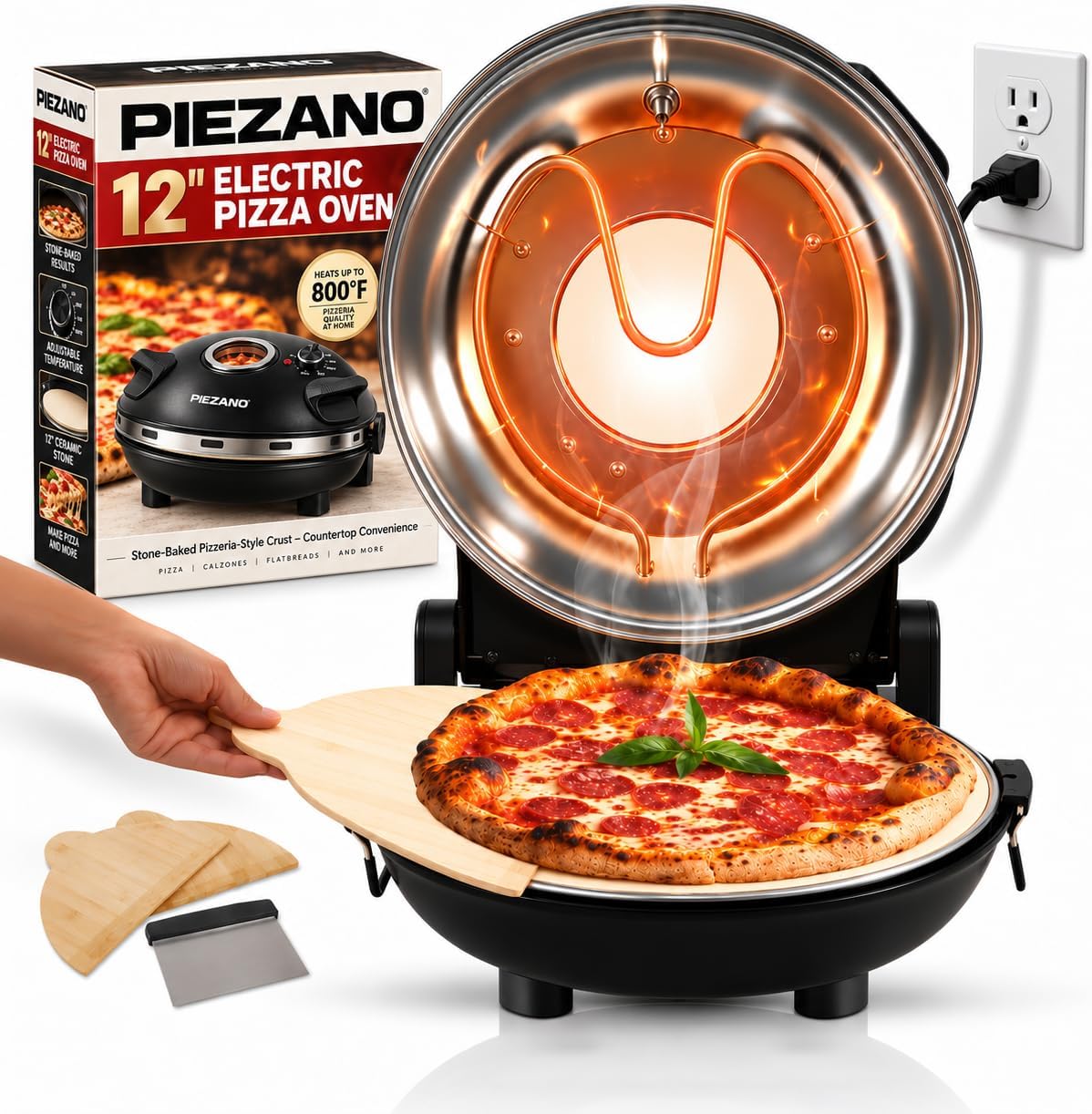
Achieving a true pizzeria-style crust on a frozen or homemade pizza requires substantial thermal energy that traditional kitchen ranges often fail to provide. Countertop electric pizza makers designed specifically for high temperatures typically operate between 700 and 800 degrees Fahrenheit. This intense heat pulls moisture from the dough rapidly, creating a crisp, bubbly exterior while maintaining a tender interior structure.
When shopping for a dedicated appliance, examine the stated temperature limits carefully. Units equipped with higher maximum thresholds cook frozen items significantly faster than standard kitchen ovens. However, maintaining these elevated temperatures demands proper insulation and robust heating elements capable of supporting back-to-back baking sessions without experiencing thermal drops between successive pizzas.
Dual Heating Elements and Independent Control
The distribution of thermal energy inside a countertop pizza appliance dictates whether your toppings melt evenly or your crust burns prematurely. Many advanced models feature dual heating elements positioned at both the top and bottom of the baking chamber. These independent heat sources allow users to adjust upper and lower temperatures separately, ensuring cheese browns correctly without scorching the base underneath.
Appliances with single-control layouts rely on fixed power outputs, which can sometimes result in unevenly cooked meals if the dough thickness varies. By contrast, independent knobs or digital zones give you precise command over the cooking environment. This separation proves especially beneficial when transitioning between fresh doughs, pre-made items, and frozen convenience foods requiring balanced thermal penetration.
Ceramic Stones Versus Alternative Interiors
The inclusion of a natural ceramic or stone baking surface significantly influences how moisture escapes from pizza dough during the baking process. A porous ceramic stone absorbs excess moisture directly from the crust, mimicking traditional brick ovens to produce a genuine crisp texture rather than a steamed result. These stones are usually removable, allowing for straightforward crumb removal and cleaning after dinner concludes.
While ceramic stones excel at retaining and distributing high heat evenly, they require careful handling and cooling precautions to prevent thermal shock. Buyers should verify whether the stone is integrated permanently or designed for extraction. Removable stones simplify maintenance tasks significantly, letting you wipe down the interior chamber without straining your wrists or scrubbing fixed surfaces inside a cramped appliance housing.
Countertop Footprint and Kitchen Space
Evaluating the physical dimensions of a countertop pizza maker is essential for ensuring it integrates smoothly into your existing kitchen layout. Models vary considerably in width, depth, and height, with some compact units occupying minimal counter space while larger multi-functional appliances demand substantial depth and overhead clearance. Measure your available kitchen surface area before purchasing any device to ensure proper placement and safe ventilation.
Weight also plays a vital role in daily usability, particularly if you plan to store the appliance in a pantry and retrieve it only for weekend pizza nights. Lightweight models under ten pounds offer easy portability and simple storage. Conversely, heavier stainless steel units provide exceptional structural stability but remain permanently stationed on the countertop due to their substantial heft and large physical footprint.
Touchscreen Presets Versus Manual Dials
Operating interfaces dictate how easily you can program your pizza maker for different crust styles and frozen food items. Modern appliances frequently offer touchscreen panels loaded with specialized presets for Neapolitan, New York, thin-crust, pan, and frozen pizzas. These automated programs eliminate guesswork by pre-programming optimal time and temperature parameters, allowing for straightforward, one-touch operation during busy weeknight dinner preparations.
Alternative models utilize traditional manual knobs or timers, giving experienced home cooks direct control over every minute detail of the baking cycle. While manual controls lack the convenience of automated presets, they offer ultimate flexibility when experimenting with non-standard dough thicknesses or diverse snack foods. Consider whether you prefer hands-off automated cooking convenience or tactile control over your appliance settings.
Wattage Requirements and Electrical Safety
High-heat countertop appliances demand substantial electrical power to reach temperatures up to 800 degrees Fahrenheit rapidly. Most indoor pizza ovens operate between 1200 and 1750 watts, drawing significant current from standard 120-volt household circuits. Reviewing your kitchen wiring layout helps ensure that running your pizza maker simultaneously with other high-draw appliances does not trip breakers or overload wall outlets during active cooking sessions.
Manufacturers often incorporate advanced safety features such as non-slip suction-cup feet, cool-touch handles, and thermal cutoffs to manage high operational heat safely. Ensuring your appliance sits on a stable, heat-resistant surface prevents accidental tipping when loading or retrieving heavy pizzas with wooden peels. Prioritizing electrical compatibility and physical stability guarantees a secure, reliable cooking experience for your household over time.
Frequently asked questions
What is the recommended frozen pizza oven temp for countertop makers?
Most dedicated indoor countertop pizza makers reach maximum temperatures between 700 and 800 degrees Fahrenheit, which is ideal for rapidly crisping frozen pizzas. When using appliances with specialized frozen presets, the internal heating elements automatically adjust to thaw and bake the crust evenly without burning the cheese. If your appliance relies on manual controls, setting the top and bottom elements to high heat ensures the frozen base releases moisture effectively against the ceramic stone, mimicking professional pizzeria results right at home.
Do I need to thaw a frozen pizza before cooking it in a high-heat oven?
Whether you need to thaw a frozen pizza depends heavily on the specific manufacturer instructions provided for your countertop oven model. Some appliances feature dedicated frozen presets designed to cook straight from the freezer by managing thermal ramp-up times carefully. Other models or specific ceramic stone guidelines suggest letting frozen bases thaw slightly to prevent thermal shock on the stone or to ensure the center cooks thoroughly before the outer crust browns completely.
How do dual heating elements improve frozen pizza baking results?
Dual heating elements provide independent temperature control over the top and bottom zones of the baking chamber. This separation allows you to apply intense heat directly to the ceramic stone below for a crisp crust while moderating the upper element to melt cheese perfectly without scorching. For frozen pizzas, this balance prevents the common issue of having a cold, soggy center beneath an overcooked top crust, resulting in a much more uniform and satisfying culinary texture.
Can countertop pizza ovens cook foods other than pizza?
Many countertop electric pizza ovens function as versatile snack and meal appliances capable of preparing a wide variety of dishes. Depending on the specific model, interiors can accommodate chicken wings, vegetables, egg rolls, flatbreads, calzones, and tartlets. Models featuring integrated air fry and traditional baking modes expand these capabilities even further, allowing you to bake, broil, toast, or air fry everyday items without heating up your full-sized conventional kitchen range.
How should I clean and maintain a ceramic pizza stone?
Cleaning a removable ceramic pizza stone requires allowing it to cool completely to avoid dangerous thermal shock and cracking. Once cooled, you can scrape away leftover debris using a safe plastic or wooden tool. Manufacturers advise against soaking ceramic stones in water or using harsh dish soaps, because porous stone materials absorb liquids and flavors. Wiping the surface with a damp cloth and utilizing integrated crumb trays keeps your countertop oven sanitary for future use.