Appliances · Buying Guide
Best Glass Liquid Measuring Cup Sets for Everyday Baking and Cooking
Finding the right kitchen tools makes preparing family recipes simpler and much more efficient. When dealing with liquid ingredients, a reliable glass liquid measuring cup helps ensure accuracy across daily baking and cooking tasks. Glass options provide clear visibility of contents while offering dependable durability for everyday kitchen use, ensuring your recipes turn out correctly every single time you cook.
Unlike plastic alternatives, glass measuring vessels resist absorbing food odors, stubborn flavors, and heavy stains over extended periods of time. They transition easily between different kitchen routines, allowing you to melt butter, measure milk, or mix batters without worry. Choosing the right set depends heavily on your typical recipe sizes and storage preferences.
As an Amazon Associate, StacyLaughs earns from qualifying purchases.
Buying guide
Determining the Ideal Capacity Range
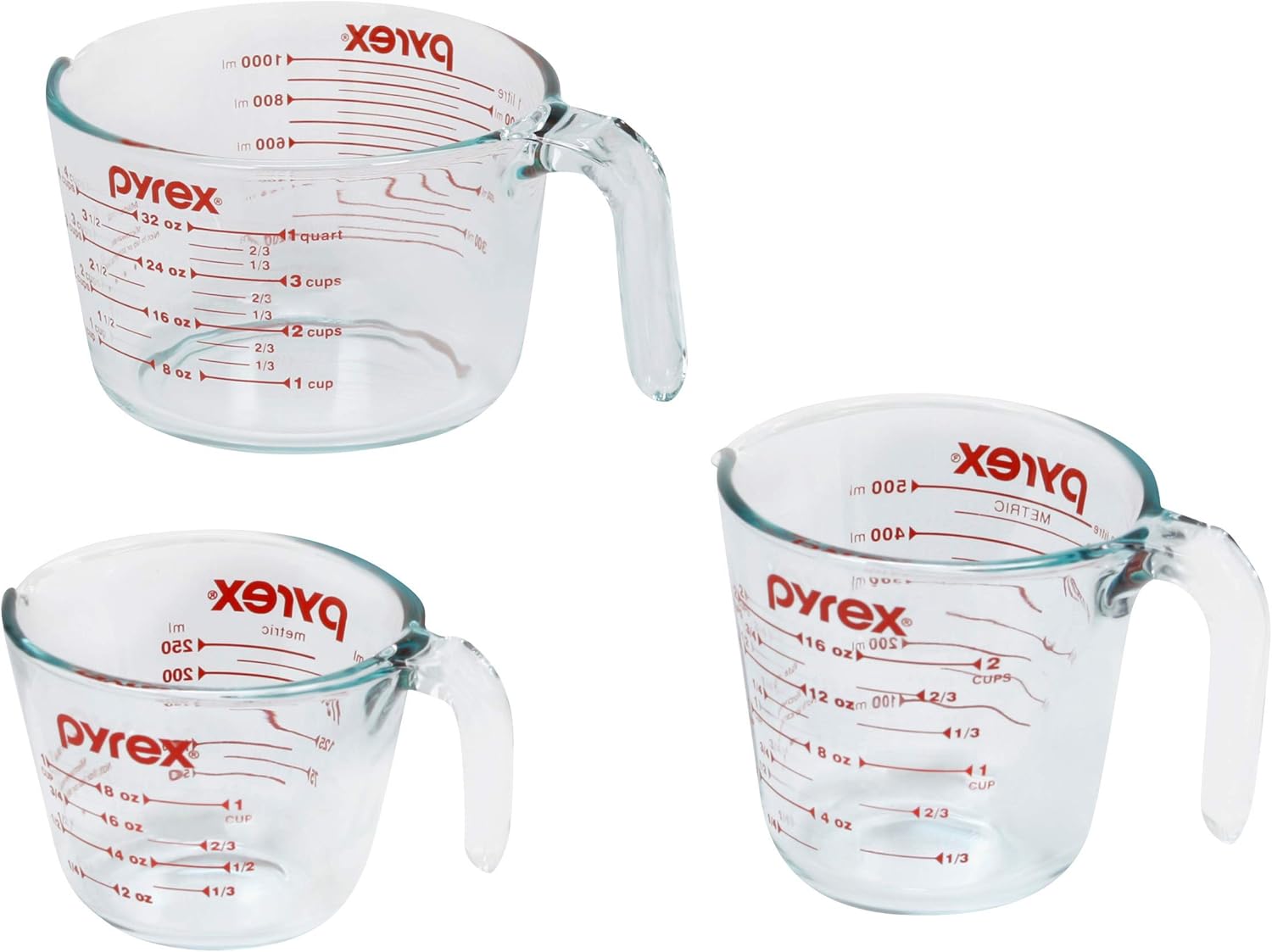
Selecting the right capacity ensures you can complete baking and cooking tasks without constantly washing a single measuring cup between preparation steps. Sets typically range from compact two-piece options featuring basic sizes to comprehensive multi-piece collections that cover every conceivable recipe requirement. Think about how often you double recipes or mix large batches of pancake batter.
Assess your typical household cooking habits to decide whether you need small one-cup vessels for liquids or large four-cup alternatives for stocks and broths. Having multiple distinct sizes prevents accidental overflows, eliminates guesswork, and streamlines your daily kitchen routine by matching the tool directly to the ingredient volume required.
Understanding Glass Material Types
Glass measuring cups generally utilize either tempered glass or borosilicate glass constructions for everyday durability. Both materials provide exceptional visual clarity, allowing you to check fluid levels easily from any angle while you work on complex recipes in the kitchen. Understanding these material differences helps you select a vessel that withstands your specific cooking demands.
Non-porous glass surfaces naturally resist absorbing strong food odors, stubborn flavors, and bright food stains over years of regular household cooking use. This smart material choice ensures your measuring tools remain hygienic, clear, and entirely neutral, regardless of whether you are measuring warm milk, acidic citrus juices, or melted butter.
Evaluating Handle Comfort and Spout Design
Pouring liquids accurately without spilling requires thoughtful handle and spout engineering. Easy-grip handles provide a secure, comfortable hold for your hand, significantly reducing hand strain when lifting heavy, filled vessels. A well-designed handle balances the weight of the liquid evenly, giving you better control as you tilt the heavy cup toward your mixing bowl or saucepan.
Curved spouts direct the liquid flow smoothly into narrow bowls or baking pans, minimizing messy drips on your kitchen counters. Checking these ergonomic design elements before purchasing ensures a much cleaner, far more efficient, and ultimately more pleasant cooking and baking experience every single time you cook.
Assessing Storage and Nesting Options
Kitchen cabinet space is often at a premium, making efficient storage a major consideration for cookware sets. Nesting designs allow smaller measuring cups to fit comfortably inside larger ones, saving valuable shelf and drawer room. When cups stack neatly together, you spend less time reorganizing crowded cupboards and more time enjoying your culinary projects.
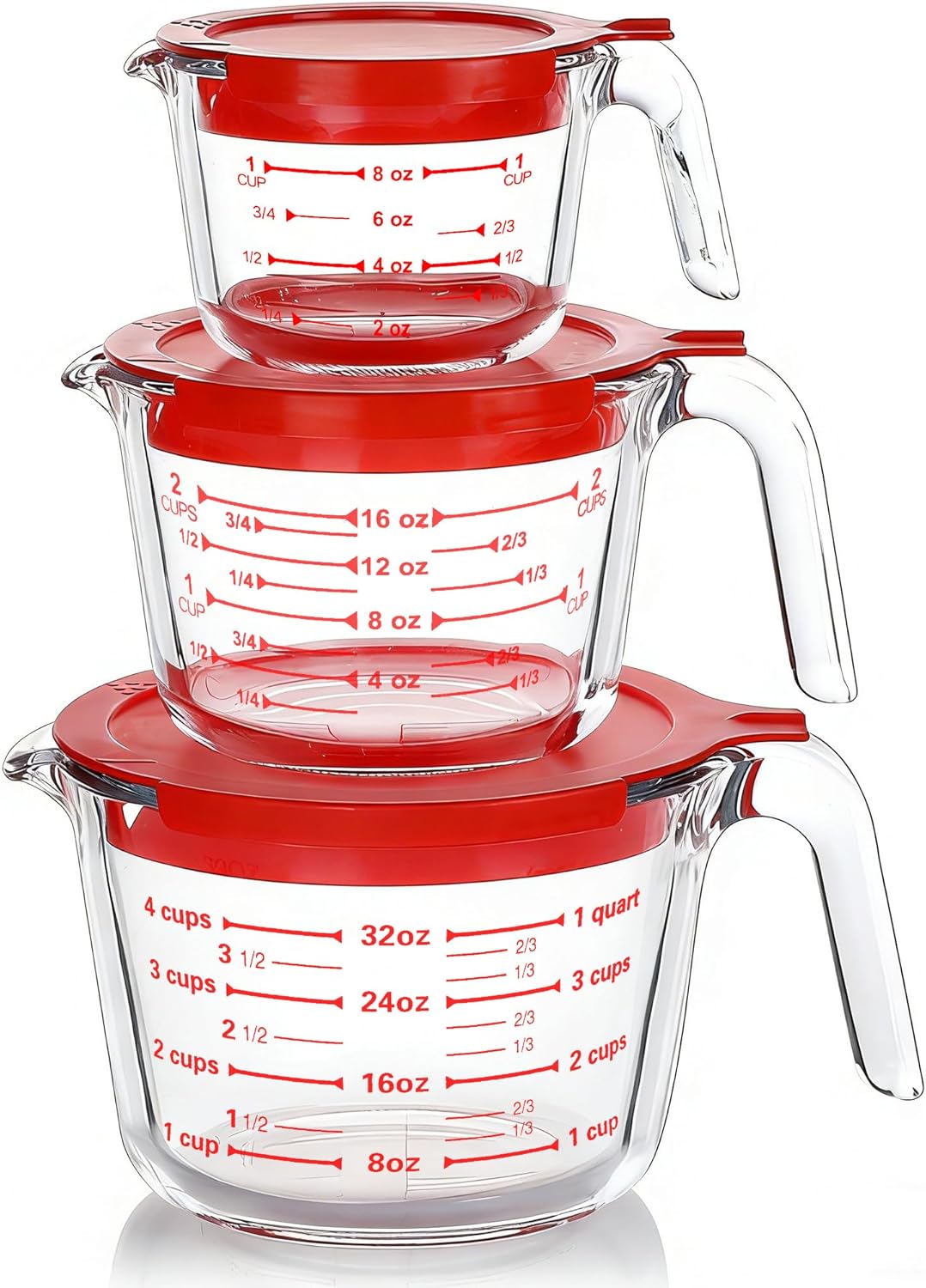
Some specialized sets also include protective lids, transforming your measuring cups into convenient temporary storage containers for leftover liquids stored safely directly in the refrigerator. Evaluating your available cabinet space, shelf height, and personal organization goals helps determine which specific nesting configuration best suits your overall kitchen layout and organization goals.
Cleaning and Maintenance Practicalities
Keeping your kitchen tools clean should be a straightforward process rather than a tedious daily chore. Glass measuring cups feature smooth, non-porous surfaces that wash easily either by hand in the sink or safely in the dishwasher. This easy maintenance prevents food residue from clinging to the interior walls after measuring sticky ingredients like thick honey or corn syrup.
Following manufacturer cleaning guidelines ensures your glassware remains sparkling clear and chip-resistant over years of regular household use. Proper cleaning prevents cloudy residue buildup and maintains the long-term legibility of bold measurement markings, ensuring your cups remain functional and attractive for countless recipes to come.
Multi-Appliance Thermal Compatibility
Modern kitchen prep often requires moving vessels between different appliances like microwaves, ovens, and refrigerators. Selecting high-quality tempered or borosilicate glass ensures your measuring cups can handle rapid thermal transitions without cracking under pressure. This versatility lets you melt baking ingredients directly inside the measuring vessel.
Always review manufacturer specifications regarding preheated oven safety and freezer use before exposing glassware to extreme temperature changes. This thermal flexibility allows you to streamline your workflow by melting butter, warming milk, and mixing batters in one single vessel, saving you from having to wash extra mixing bowls at the end of the day.
Frequently asked questions
Can glass measuring cups be safely used in the microwave?
Yes, high-quality glass measuring cups made from tempered or borosilicate glass are designed for microwave use. They provide a convenient way to melt butter, warm milk, or heat liquids directly inside the vessel without transferring ingredients to another container. However, you should always check the specific manufacturer guidelines for your product. Furthermore, if your measuring cup set includes protective plastic lids, ensure you remove those lids before placing the glass vessel inside an active microwave to prevent warping or damage.
Are glass measuring cups dishwasher safe?
Most glass measuring cups are fully dishwasher safe, allowing for effortless cleanup after baking or cooking. Placing them on the top or bottom rack depending on your dishwasher design helps keep them secure during the cycle. The non-porous glass material prevents food odors and stains from clinging to the surface during washing. Always follow the manufacturer cleaning instructions to maintain the clarity and durability of the glass and ensure the measurement markings remain bright and readable over time.
How do I read measurements accurately on a glass cup?
To read measurements accurately on a glass liquid measuring cup, place the vessel on a flat, level surface rather than holding it in your hand. Bend down so your eyes are level with the liquid line inside the cup. Read the measurement at the bottom of the curved liquid meniscus rather than the top edges. Bold markings in ounces, milliliters, and cups printed on quality glass vessels make this leveling process much easier to perform correctly every time.
What is the difference between tempered glass and borosilicate glass?
Tempered glass undergoes a specialized thermal heating and rapid cooling process that increases its overall strength and impact resistance compared to standard glass. Borosilicate glass contains boron trioxide, which gives it a very low thermal expansion coefficient, making it highly resistant to thermal shock when moving between hot and cold environments. Both glass types offer excellent durability for kitchen prep work, but checking product specifications helps you understand the exact thermal capabilities of your specific measuring cup set.
Can I put glass measuring cups in the oven or freezer?
Many high-quality glass measuring cups are rated safe for both preheated ovens and freezers, though temperature limits vary by manufacturer. When moving glassware from a freezer to a hot oven, you must exercise caution to avoid thermal shock, which can cause cracking. Always verify the manufacturer specifications before exposing your measuring cups to extreme temperatures. If your set includes lids, check whether those lids are rated for freezer or oven use before storing them in those environments.