Appliances · Buying Guide
Best Glass Mixing Bowl With Spout Options For Every Kitchen Prep Task
Finding the right glass mixing bowl with spout transforms how you handle everyday baking and cooking tasks. Whether you are whipping up pancake batter, mixing dense cake ingredients, or pouring homemade sauces, having a reliable vessel with an integrated pouring lip reduces kitchen messes and simplifies food preparation. Glass construction offers a nonporous surface that resists stains and lingering food odors, ensuring your equipment stays fresh through countless recipes.
The market features various capacities and designs, ranging from compact lidded batter bowls to extra-large measuring vessels crafted for heavy-duty batch cooking. Understanding the specific physical traits of each option helps you choose a tool that matches your storage space, heating requirements, and mixing preferences without unnecessary guesswork or clutter.
As an Amazon Associate, StacyLaughs earns from qualifying purchases.
Buying guide
Capacity and Volume Needs
Selecting the right glass mixing bowl with spout begins with carefully evaluating your typical recipe volumes and everyday cooking habits. Standard two-quart bowls easily suit everyday baking tasks, such as single batches of pancakes, small cakes, or standard muffin batters. These moderate sizes offer manageable lifting weights and fit comfortably into most standard kitchen preparation spaces without creating countertop clutter.
If your regular routine involves preparing large family meals, heavy soup stocks, or double batches of dough, an eight-cup capacity model provides the extra room required to prevent messy overflows. Matching the bowl volume to your actual cooking habits ensures you neither struggle with cramped mixing spaces nor manage unnecessarily heavy glass vessels during daily food preparation.
Material Durability and Glass Types
Glass mixing bowls utilize different manufacturing compositions that directly affect how well they handle daily thermal shifts in busy kitchens. Standard tempered glass provides excellent resistance to accidental chipping and supports moderate oven use, making it a highly reliable choice for general baking routines, microwave melting, and straightforward food preparation tasks where durability is essential.
Alternatively, specialized borosilicate glass options are engineered specifically to endure extreme temperature changes without cracking under intense thermal stress. Evaluating whether you plan to move your bowl directly from cold storage to a hot environment will successfully guide you toward the ideal glass composition for your specific cooking style and long-term baking preferences.
Lid Inclusion and Storage Flexibility
Choosing a model that includes a matching lid significantly expands your food storage flexibility after mixing is complete. Lidded batter bowls allow you to cover leftover mixtures, chill cookie dough in the refrigerator, or transport prepared ingredients to family gatherings without needing extra plastic wrap. This seamless transition from mixing vessel to storage container saves time during cleanup.
Conversely, bowls without lids require you to transfer food into separate containers or cover the open top with foil. If your kitchen routine relies heavily on advance prep and refrigerator storage, prioritizing a set that includes a secure plastic lid ensures maximum convenience and keeps your ingredients fresh between mixing and baking sessions.
Pouring Spout and Measurement Markings
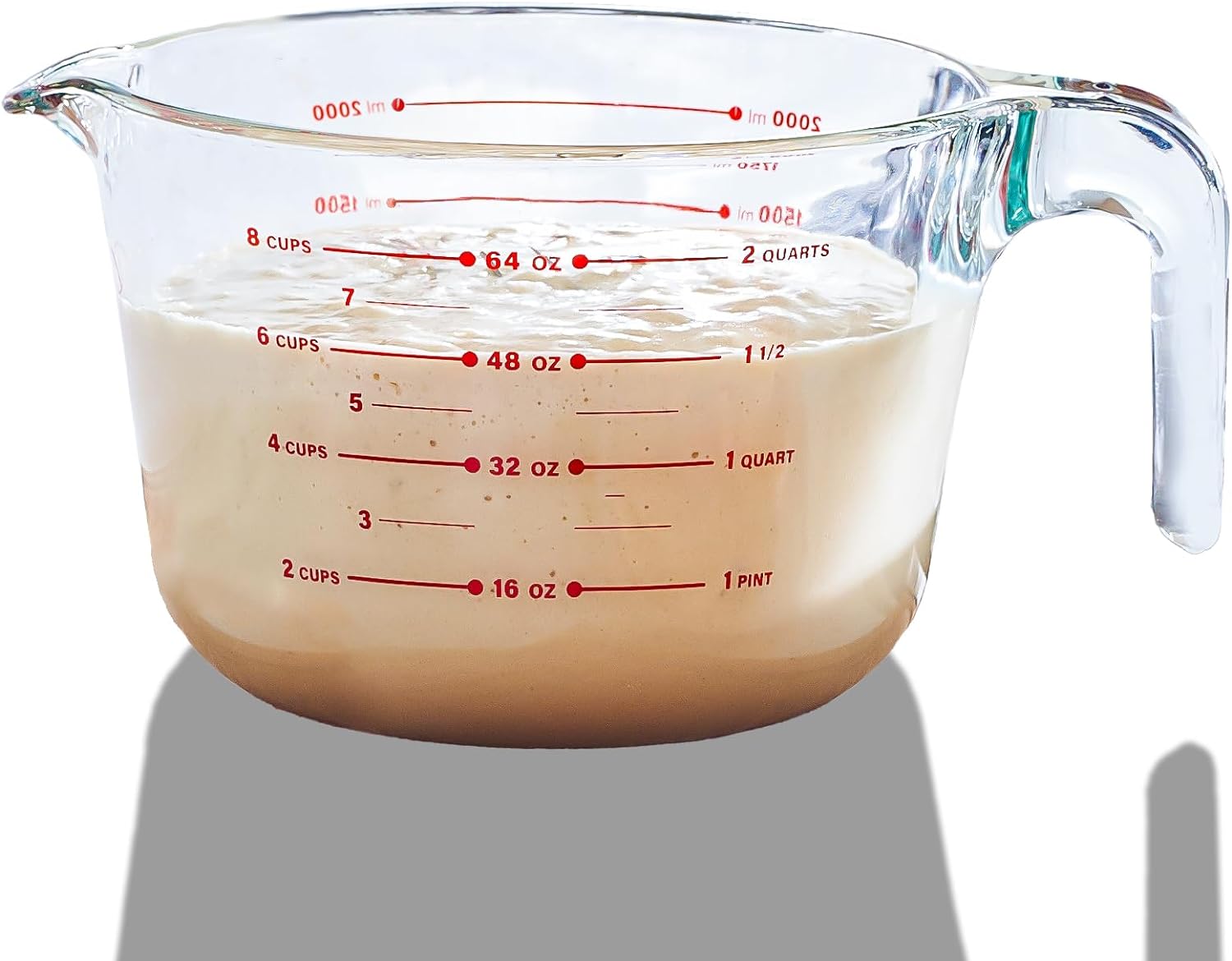
The design of the pouring spout plays a critical role in preventing messy spills when transferring liquids or heavy batters into pans. A well-molded or pointed lip directs the flow cleanly, reducing drips along the bowl exterior. Combined with clear measurement markings, whether etched or embossed, these features allow you to measure and pour liquids accurately in one step.
Having visible measurement lines eliminates the need for extra measuring cups, streamlining your recipe workflow. When evaluating options, look for bold or permanently etched markings that will not wear away over time, ensuring your bowl remains a precise measuring tool through years of frequent washing and daily kitchen use.
Handle Design and Ergonomic Control
Maneuvering a heavy glass bowl filled with dense batter requires a secure, comfortable handle design. An integrated handle gives your fingers a solid grip, making it much easier to tilt the vessel safely during pouring. This physical support is especially important when handling larger capacities or thick mixtures that add significant weight to the bowl during stirring.
Without a proper handle, lifting and tipping a smooth-walled glass bowl can strain your wrist and increase the risk of accidental slips. Prioritizing a model featuring a sturdy, well-balanced handle guarantees better control and enhanced safety, transforming potentially awkward kitchen maneuvers into smooth and effortless pouring actions.
Cleanup and Maintenance Requirements
Glass kitchenware offers a naturally nonporous surface that resists absorbing food odors, stains, and lingering flavors from pungent ingredients like garlic or spices. Most quality glass batter bowls feature dishwasher-safe construction, allowing them to slide right into automatic dishwashers for effortless cleanup. This smooth surface prevents residue buildup, keeping your mixing equipment sanitary and clear over time.
If your bowl includes a plastic lid, remember to check manufacturer guidelines regarding dishwasher placement to prevent warping or degradation of the seal. Balancing ease of bowl sanitation with proper lid care ensures your entire prep set maintains its structural integrity and visual clarity through countless baking projects and everyday kitchen tasks.
Frequently asked questions
Can I put a glass mixing bowl with spout directly into the oven?
Many tempered glass batter bowls are engineered to withstand high oven temperatures, with specific models rated safely up to four hundred twenty-five degrees Fahrenheit. However, you must always check the manufacturer instructions for your specific product before baking, as not all glass mixing bowls or their included plastic lids are designed for oven use. Sudden extreme temperature shifts can cause untreated glass to fracture, so always place glass vessels into a pre-heated oven rather than exposing cold glass to intense thermal shock.
Are glass mixing bowls safer than plastic alternatives for food preparation?
Glass is a nonporous material that will never warp, stain, or retain food odors over time, unlike many plastic alternatives. It also prevents the leaching of chemicals or microplastics into your food and ingredients during mixing or heating. While glass bowls are heavier and require careful handling to prevent accidental dropping, their hygienic surface and resistance to chemical leaching make them a popular, durable choice for everyday cooking, baking, and healthy food storage tasks in home kitchens.
How do I prevent batter from spilling when pouring from the bowl?
To prevent spills, look for mixing bowls featuring a specifically pointed lip or a molded anti-drip spout designed to guide liquid flow cleanly. When pouring, maintain a steady grip using the integrated handle and tilt the bowl smoothly rather than hesitating mid-pour. Ensuring your batter is thoroughly mixed without heavy lumps also promotes an even, uninterrupted stream, while the bowl wide mouth helps keep ingredients securely contained during vigorous whipping stages before you start pouring.
Can I store leftover food or dough in the refrigerator using these bowls?
Yes, many glass batter bowl models come equipped with matching plastic lids designed to seal in freshness for refrigerator and freezer storage. This allows you to mix cookie dough, prep party salsas, or store leftover ingredients directly in the same vessel without transferring items to separate containers. If your chosen bowl does not include a lid, you can cover the top securely with plastic wrap or foil to protect your stored foods from absorbing refrigerator odors.
Why are measurement lines included on some glass batter bowls?
Etched or embossed measurement lines allow you to measure liquids and dry ingredients directly inside the bowl, eliminating the need for separate measuring cups and streamlining your recipe preparation workflow. These markings give you immediate visibility of your batch volume as you add ingredients. Over time, permanent etched or embossed lines resist fading through frequent washing, ensuring reliable measuring accuracy whether you are mixing pancake batters, soups, or baking ingredients in your kitchen.