Appliances · Buying Guide
Best Glass Pyrex Pie Dish Options for Baking Traditional Desserts
Baking a homemade pie requires reliable bakeware that conducts heat evenly and handles everyday kitchen tasks with ease. Pyrex glass pie dishes offer durable construction designed for dependable baking, serving, and reheating across multiple recipes. From traditional fruit fillings to savory quiches, these American-made glass dishes provide visibility and consistent performance in the kitchen, making them a staple for both novice and experienced home bakers alike.
Whether you need a standard single plate, an extra-deep dish to prevent overflowing fillings, or a convenient multi-pack for hosting family gatherings, reviewing specific dimensions, temperature ratings, and cleaning methods ensures a proper fit. Exploring the distinct features of each model helps you match your baking style to the right piece of glassware without guesswork.
As an Amazon Associate, StacyLaughs earns from qualifying purchases.
Buying guide
Material Composition and Durability
Selecting a glass pie dish begins with understanding its material construction. Tempered glass provides exceptional durability and resistance to thermal shock when moving between different kitchen environments. Unlike porous materials, high-quality glass does not absorb food odors, stains, or flavors over years of regular baking use. This ensures that a savory quiche baked today will not alter the taste of a sweet fruit dessert baked next week.
Choosing sturdy glass bakeware also offers a reusable, long-lasting alternative to disposable foil or thin metal pans. Because glass distributes heat evenly, your crusts bake uniformly without hot spots. Evaluating the material quality ensures your bakeware remains a reliable kitchen staple for countless baking sessions.
Depth and Capacity Considerations
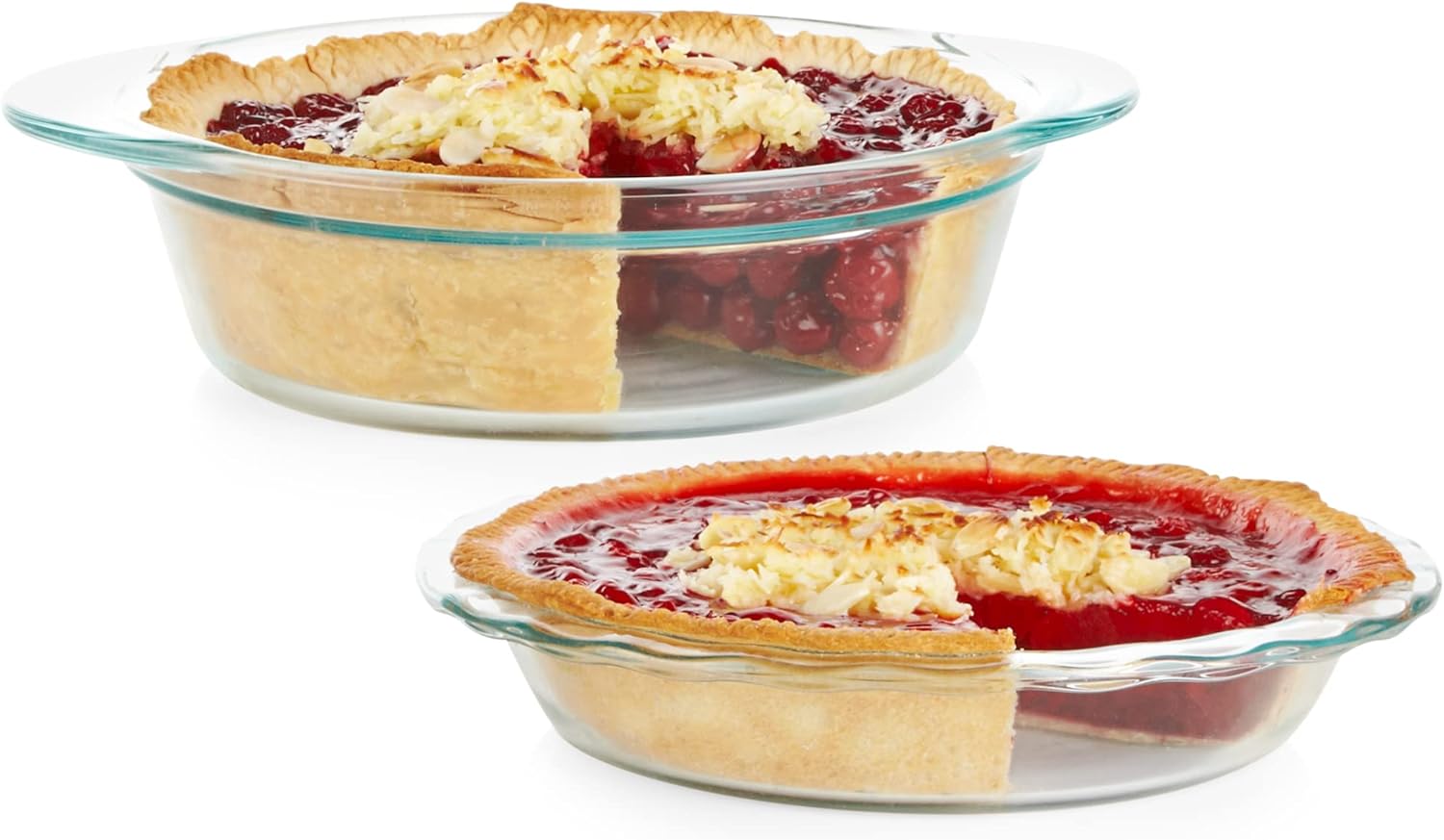
Pie dish depth plays a crucial role in determining what types of recipes you can successfully bake. Standard shallow plates work wonderfully for traditional tarts, quiches, and light fruit fillings, allowing heat to reach the center quickly. However, if your baking style leans toward heavily mounded apple pies or custard desserts piled high with ingredients, a deep-dish option becomes essential for preventing messy oven spills.
Matching the dish capacity to your favorite recipes ensures your creations turn out perfectly cooked without overflowing the edges. Reviewing the height dimensions helps you determine whether a standard nine-inch plate or an expanded deep model best suits your culinary needs.
Rim Design and Handling Features
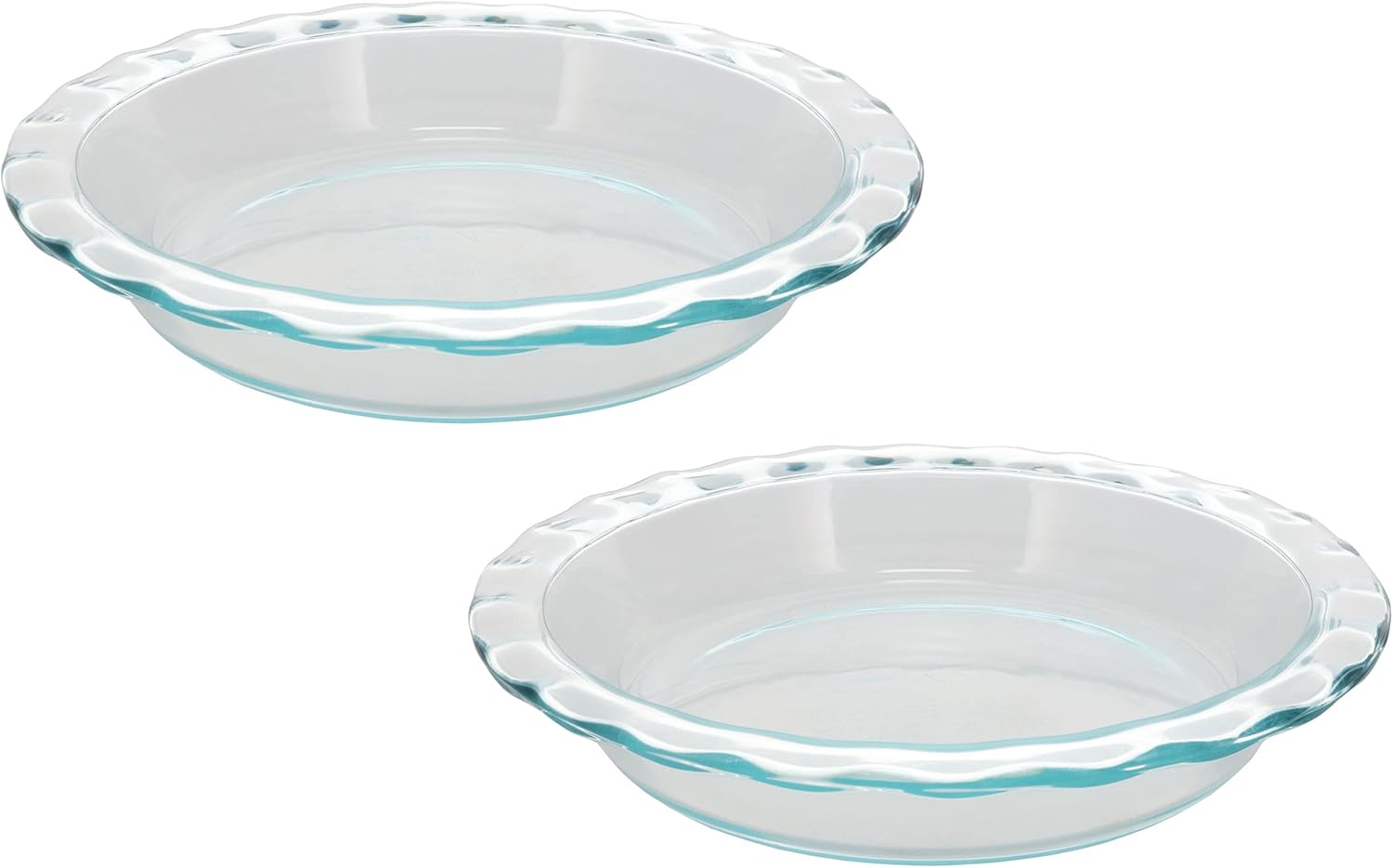
The rim design of a pie plate significantly impacts both your baking results and how easily you can safely transport the dish. Fluted rims provide a traditional decorative edge while offering helpful purchase points to crimp pastry crusts securely. Alternatively, wide handles and wave patterns on modern designs make it much simpler to lift heavy, hot glass plates while wearing thick oven mitts.
Considering how you move dishes from a hot oven to the dining table helps determine the ideal rim style for your routine. Smooth contours offer easy cleaning access, while textured edges improve grip security during transit. Choosing design features that match your personal handling comfort prevents accidental drops in a busy kitchen environment.
Temperature Limits and Oven Safety
Temperature ratings dictate how versatile a glass pie plate can be across different baking and reheating tasks. Many tempered glass dishes handle high oven temperatures up to 500 degrees Fahrenheit, allowing for intense browning and crisp crust development. However, certain models feature lower maximum limits, such as 450 degrees Fahrenheit, which still accommodates standard baking but restricts more demanding high-heat culinary applications.
Checking these thermal limits ensures you operate the bakeware safely without risking unexpected material degradation during use. Always review manufacturer guidelines regarding preheating practices and sudden temperature shifts to maintain the structural integrity of your glass plates over years of regular baking.
Cleaning and Maintenance Requirements
Maintaining your bakeware properly keeps it looking pristine and performing reliably through countless baking projects. Many glass pie plates feature convenient dishwasher-safe construction, making cleanup effortless after baking sticky fruit fillings or rich, heavy custards. Other models specify hand washing only to protect detailed fluted rims or specialized exterior surfaces, requiring a bit more manual effort at the kitchen sink.
Following manufacturer cleaning instructions prevents surface wear and preserves the optical clarity of the glass over extended time periods. Choosing a maintenance routine that fits your daily cooking habits ensures your bakeware stays hygienic without adding frustrating chores to your post-meal cleanup routine.
Storage Space and Set Quantities
Deciding between a single pie plate and a multi-pack set depends heavily on your household baking frequency and available kitchen storage space. Multi-pack options provide excellent value and convenience for cooks who frequently prepare multiple desserts for holidays or gatherings. However, storing two or more glass plates requires significantly more cabinet shelf space than tucking away a single standalone dish.
Assessing your available kitchen storage capacity before purchasing prevents overcrowding in your cabinets and pantry cupboards. If shelf space is extremely tight, a single versatile plate might be the most practical choice, whereas larger kitchens can easily accommodate multi-piece bakeware sets without clutter.
Frequently asked questions
Can I put a glass Pyrex pie dish directly into a preheated oven?
Yes, Pyrex tempered glass baking dishes are designed to go directly into a preheated oven for even heat distribution and consistent baking results. However, you should always avoid placing a cold glass dish onto a scorching hot burner or exposing it to extreme, rapid temperature shifts to prevent thermal shock. Following manufacturer guidelines regarding maximum temperature limits ensures your bakeware remains safe, sturdy, and durable throughout years of regular kitchen use for all your favorite recipes.
Are Pyrex glass pie plates safe to use in the microwave and freezer?
Many Pyrex glass pie dishes feature versatile construction that allows them to move safely from the freezer to the microwave or oven. This flexibility lets you prep dessert fillings ahead of time, freeze them, and reheat or bake them later without switching containers. Always verify the specific product features for your exact model, as cleaning methods and temperature tolerances can vary slightly between standard plates and specialized multi-pack sets.
How do I prevent pie crusts from sticking to a glass pie dish?
While glass provides a smooth baking surface, applying a light coating of butter, shortening, or cooking spray before adding your pastry dough helps ensure your crust releases effortlessly. Additionally, allowing baked pies to cool slightly before slicing can prevent crust fragments from clinging to the bottom of the dish. Proper greasing techniques combined with nonporous glass properties make cleaning up much simpler after serving your homemade desserts.
Do glass pie plates absorb food odors and flavors over time?
No, high-quality nonporous glass construction naturally resists absorbing food odors, stains, and flavors, even after repeated use with savory quiches or spicy fillings. This nonporous nature ensures that your bakeware remains neutral, so baking a sweet fruit pie after a garlic-heavy savory dish will not result in unwanted flavor transfer. Cleaning the glass thoroughly after every use maintains this fresh surface quality for all your future baking projects.
What is the difference between standard and deep-dish Pyrex pie plates?
Standard Pyrex pie plates work best for traditional recipes like tarts, quiches, and shallow fruit pies, offering quick heat penetration to the center. In contrast, deep-dish versions provide up to sixty percent more room than standard models, making them ideal for heavily mounded fruit fillings and custard desserts. The extra depth successfully stops messy spillovers during high-volume baking, while standard plates suit lighter, traditional recipes requiring less vertical capacity.