Appliances · Buying Guide
Best Good Quality Cookie Sheets for Even Baking and Roasting
Finding reliable baking pans transforms how you handle everyday meal preparation and weekend dessert projects in your home kitchen. Whether you are roasting savory root vegetables or baking multiple batches of sweet cookies, choosing dependable bakeware ensures proper heat distribution and consistent browning results across your entire oven space every single time.
Materials matter significantly when outfitting your kitchen with durable baking sheets for daily cooking. Options range from traditional pure aluminum and heavy carbon steel to food-grade stainless steel without chemical coatings. Each composition offers distinct advantages for heat management, everyday cleaning routines, and long-term durability in home kitchens handling heavy family meals and snacks.
As an Amazon Associate, StacyLaughs earns from qualifying purchases.
Buying guide
Material Composition and Heat Transfer
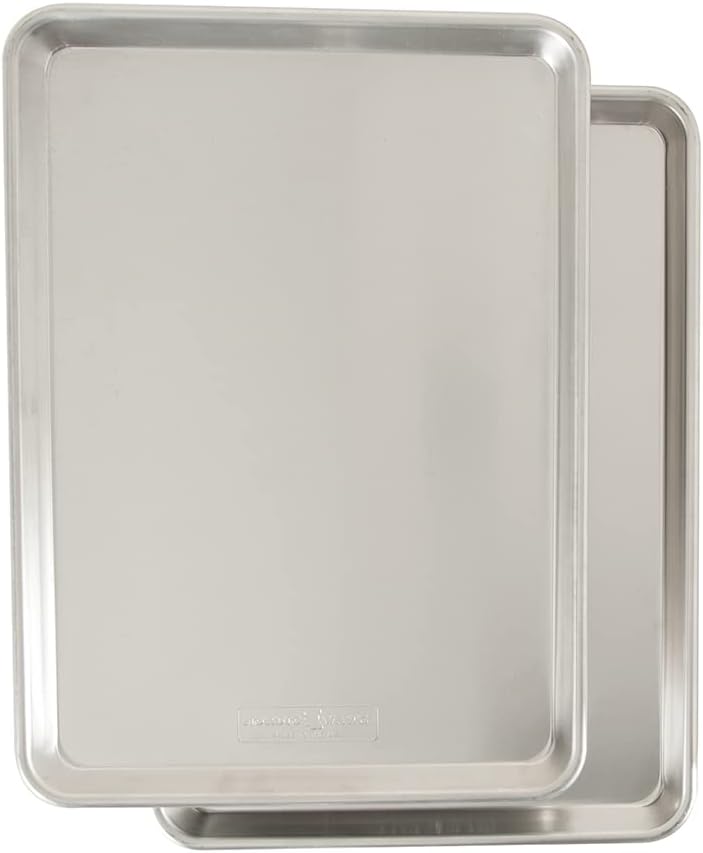
Choosing the right material forms the foundation of successful baking and roasting in your kitchen. Pure aluminum offers exceptional thermal conductivity, heating up quickly and distributing warmth uniformly across the surface to prevent hot spots. This rapid response helps cookies brown evenly and vegetables roast properly without burning on the bottom during high-heat cooking sessions.
Stainless steel and carbon steel behave quite differently in the oven environment. Stainless steel heats more slowly but provides rust resistance and long-term durability without chemical coatings. Carbon steel combines structural strength with quick heating properties, often featuring specialized non-stick surfaces that simplify food release during delicate dessert preparation tasks.
Understanding Pan Construction and Warping
Warping ruins baking sheets over time, especially when moving pans rapidly between hot ovens and cool room temperature countertops during meal prep. Quality baking pans incorporate reinforced rolled rims or encapsulated steel cores to maintain structural rigidity under extreme heat. These design elements prevent the metal from twisting or bowing during extended baking sessions.
Thick metal gauges also contribute significantly to overall warp resistance. Pans measuring 0.8mm or thicker resist bending much better than thin, flimsy alternatives found in standard stores. Checking construction details ensures your bakeware remains flat and stable through years of frequent use, heavy vegetable roasting, and repeated thermal cycling in your kitchen.
Size Selection and Oven Compatibility
Before purchasing any baking sheet, measure your oven interior and cooling racks carefully to ensure a proper fit. Standard half-sheet pans measure around eighteen by thirteen inches, requiring ample interior oven space. Smaller quarter sheets or compact multi-size nesting sets fit snugly into smaller apartment ovens or specialty toaster ovens.
Choosing multiple sizes allows you to match your bakeware to specific recipe volumes and meal types. Smaller pans work wonderfully for small batches of cookies or roasting side dishes, while larger commercial sheets handle full family meals efficiently. Evaluating your typical cooking portions prevents food overcrowding and ensures proper hot air circulation around every single item.
Non-Stick Coatings Versus Bare Metal Surfaces
Deciding between non-stick coatings and bare metal surfaces depends entirely on your personal cleaning preferences and daily cooking habits. Coated carbon steel or treated steel pans offer effortless food release without needing parchment paper, making cleanup fast. However, these applied coatings require careful handling with silicone or wooden utensils to prevent scratching the finish.
Bare aluminum and stainless steel surfaces eliminate coating wear concerns entirely, allowing metal spatulas and vigorous scrubbing when necessary. While bare aluminum may develop a dark natural patina over time, this aesthetic change actually enhances food release naturally without chemical additives, providing a traditional baking experience that many home cooks truly appreciate.
Maintenance and Cleaning Guidelines
Proper maintenance extends the lifespan of your baking sheets significantly across years of use. Many stainless steel and carbon steel pans are labeled dishwasher safe, though hand washing often preserves their polished mirror finish much longer. Bare aluminum pans generally require manual hand washing to prevent harmless surface oxidation caused by harsh automatic dishwasher detergents.
Removing stubborn baked-on food residue is simple when using the right cleaning techniques at home. A gentle paste made from baking soda and water lifts tough grease stains from aluminum or stainless steel without damaging the metal. Avoiding thermal shock by letting hot pans cool naturally prevents permanent warping and structural damage over time.
Edge Design and Practical Handling
Rim design plays an essential role in both kitchen safety and overall baking versatility. Rolled edges provide structural strength while offering secure gripping points when removing heavy pans from hot ovens using thick mitts. Tall side walls also help contain runaway meat juices and prevent liquid grease from spilling onto the hot oven floor.
Encapsulated steel rims add extra structural stiffness to prevent bending during high-heat baking tasks and heavy roasting sessions. Whether you are roasting juicy meats or baking sticky pastries, well-designed rims make transferring food safer and cleaner, reducing accidental spills and simplifying your overall cooking routine from start to finish every single day.
Frequently asked questions
What is the main benefit of pure aluminum baking sheets?
Pure aluminum baking sheets offer exceptional thermal conductivity, heating up significantly faster than steel alternatives. This superior heat transfer ensures that cookies bake evenly and develop consistent golden-brown bottoms across the entire pan surface. Additionally, pure aluminum bakeware is naturally rust-resistant and lightweight, making it comfortable to lift in and out of the oven. While these pans typically require hand washing to avoid surface oxidation from dishwasher detergents, their reliable cooking performance makes them a favorite among home bakers and culinary professionals alike.
Are stainless steel baking sheets safe to clean in the dishwasher?
Most food-grade stainless steel baking sheets are designed to be dishwasher safe, allowing for convenient cleanup after preparing messy meals or baking sweet treats. The smooth mirror-polished surface resists food sticking and handles automated detergent cycles without rusting or corroding. However, checking specific manufacturer guidelines remains helpful. While dishwasher cleaning saves time, hand washing with mild soap can help maintain the pristine polished finish and prevent minor surface scratching that might occur over years of automated washing cycles.
Why do some baking sheets warp in the oven?
Baking sheets warp when uneven heat distribution causes different parts of the metal to expand at varying rates. Thin, lightweight metal gauges are particularly susceptible to this bending under high temperatures. To combat warping, manufacturers often use thicker heavy-gauge metals or add reinforced rolled rims with encapsulated steel cores. Furthermore, avoiding thermal shock by letting hot pans cool down gradually before washing helps preserve their flat structural shape over many years of frequent kitchen use.
Do carbon steel cookie sheets require special care?
Carbon steel cookie sheets often feature specialized non-stick coatings that require gentle handling to maintain their performance. Users should avoid using sharp metal spatulas, knives, or abrasive scouring pads that can scratch or peel the delicate coating surface. Instead, opting for silicone, nylon, or wooden utensils protects the non-stick layer. Additionally, hand washing with mild dish soap rather than harsh automatic dishwasher cycles helps preserve the coating integrity, ensuring long-lasting food release performance for daily baking tasks.
How do I choose the right size baking sheet for my oven?
Choosing the right size baking sheet requires measuring your oven interior cavity and any cooling racks before purchasing. Standard half-sheet pans measure approximately eighteen by thirteen inches and fit most full-sized residential ovens, offering ample space for large batch baking. For smaller apartment ovens, toaster ovens, or specific tasks like roasting side dishes, smaller quarter-sheet pans or multi-size nesting sets provide a practical fit. Evaluating your typical cooking portions ensures you select pans that maximize oven space without overcrowding.