Appliances · Buying Guide
Best Heavy Duty Baking Tray Options for Every Kitchen Task
Choosing a heavy duty baking tray involves looking closely at materials like bare aluminum, aluminized steel, or stainless steel to match your daily roasting and baking routines. Different metal thicknesses, surface textures, and edge designs directly affect how heat moves across the surface during high-temperature cooking tasks, helping you achieve consistent baking results across various recipes.
Whether you need a standard half-sheet size for everyday cookies or an extra-large surface for large batch meal prep, understanding construction details helps you pick the right tool for your kitchen. Let us examine five distinct options based entirely on their listed physical traits, helping you match your specific cooking style with the proper pan dimensions and material composition.
As an Amazon Associate, StacyLaughs earns from qualifying purchases.
Buying guide
Material Composition and Heat Transfer
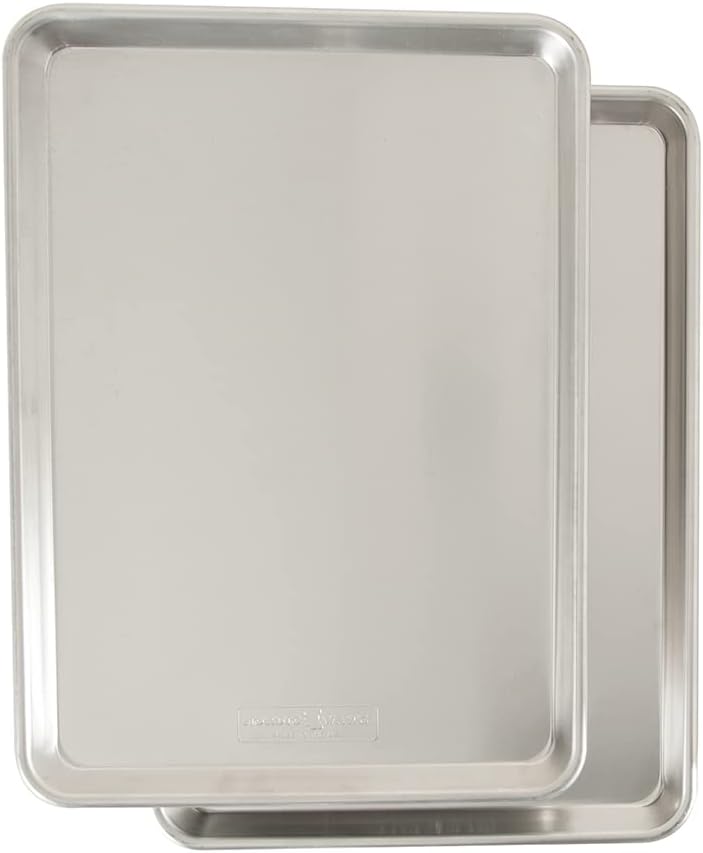
Selecting the right heavy duty baking tray starts with understanding how different metals handle oven heat during daily cooking routines. Bare aluminum offers rapid and even thermal conductivity, making it a favorite for consistent baking and browning across sweet and savory dishes. Aluminized steel combines heavy steel strength with aluminum heat transfer for durable performance under demanding kitchen conditions.
Stainless steel provides a rust-free, non-coated surface option but features distinct thermal characteristics compared to lightweight aluminum alloys. Carefully consider your typical recipes, preferred cooking temperatures, and whether you want a reactive bare metal surface before making your final purchase decision to ensure optimal results in your home oven.
Dimensions and Oven Compatibility
Before purchasing any heavy duty baking tray, you must measure your oven interior and available cabinet storage space very carefully. Standard half-sheet pans typically measure around eighteen by thirteen inches, fitting most conventional home ovens and standard wire racks comfortably. Extra-large trays exceed twenty inches in length and require wider interior cavity dimensions to lie flat on the oven rack.
Failing to check these physical measurements prior to buying can result in a tray that jams against oven walls or fails to close the door properly. Always verify the exact exterior and baking surface dimensions listed by the manufacturer to ensure a seamless fit during daily roasting tasks.
Surface Coatings and Food Release
Modern baking trays come with either bare metal surfaces or factory-applied nonstick coatings designed to ease daily food release tasks. Uncoated aluminum and stainless steel rely on parchment paper, silicone mats, or natural oils to prevent stubborn sticky residue buildup. These bare metal surfaces tolerate metal scraping tools and high baking temperatures without risking chemical coating damage during heavy use.
Nonstick silicone coatings offer effortless food release right out of the box, letting you bake delicate cookies and sticky pastries without extra paper liners. However, these coated pans require gentle hand washing and soft cleaning tools to protect the proprietary finish from accidental scratches over extended periods of regular kitchen use.
Rim Construction and Warp Resistance
Warping remains a common frustration when baking at high temperatures, making rim construction a vital feature to evaluate before buying. Trays featuring reinforced encapsulated steel rims or heavy rolled edges resist bending under intense oven heat. This structural reinforcement maintains the flat shape of the pan over years of repeated use across various savory and sweet recipes.
Additionally, tall raised rims provide a secure grip for bulky oven mitts and help contain liquid splatters from roasting meats. Evaluating how the edges are built ensures your heavy duty baking tray stays completely flat and safe to handle during hot kitchen transfers every single time you cook meals.
Cleaning and Maintenance Requirements
Proper maintenance extends the lifespan of your heavy duty baking tray and preserves its daily cooking performance in the busy kitchen. Many bare aluminum and stainless steel pans explicitly recommend hand washing to prevent harmless oxidation or discoloration caused by harsh automatic dishwasher detergents. Following manufacturer cleaning guidelines keeps metal surfaces functioning smoothly for years.
Nonstick and coated pans require gentle cleaning sponges rather than abrasive scouring pads to protect their special factory finishes from physical damage. Taking time to wash and dry your metal bakeware manually prevents stubborn residue buildup and maintains the structural integrity of the material over extended periods of regular household use.
Included Accessories and Bundles
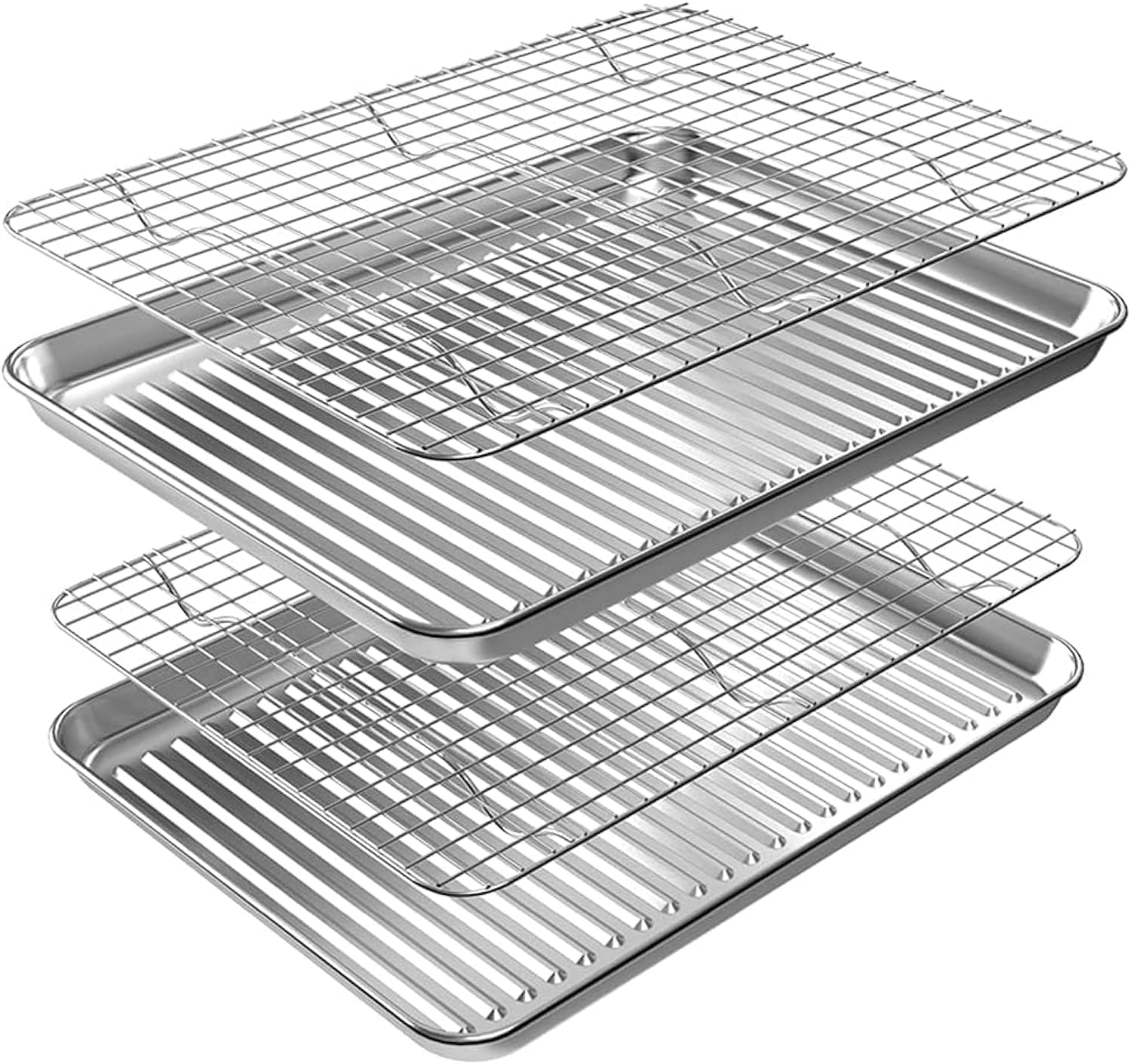
Some heavy duty baking tray options are sold as bundled sets that include matching wire cooling racks or multiple pan quantities. These stainless steel or aluminum combinations provide added versatility for roasting meats and cooling baked goods simultaneously in your oven. Bundled racks designed specifically for the exact pan dimensions fit securely without sliding around during transfer.
Evaluating whether you need extra cooling accessories helps narrow down your choices and prevents buying redundant kitchen gear for your home. Purchasing a complete bundled set gives you matched components that work seamlessly together for various daily roasting and baking tasks, ensuring efficient meal preparation across multiple dishes.
Frequently asked questions
What is the main advantage of using bare aluminum baking trays?
Bare aluminum baking trays offer exceptional thermal conductivity, distributing heat up to thirty percent faster than standard steel pans. This rapid and even heat transfer ensures your cookies brown uniformly and your roasted vegetables achieve a crispy texture without hot spots. Additionally, uncoated aluminum pans contain no chemical coatings, making them a popular choice for cooks who prefer raw metal surfaces. However, they do require manual hand washing and parchment paper liners to prevent sticking.
Why do some baking trays feature corrugated bottom surfaces?
Trays with corrugated bottom surfaces use a unique patterned design to enhance air circulation underneath your food items. This improved airflow facilitates quick food release and promotes more even baking results for cookies, pastries, and roasted dinners. Furthermore, the raised corrugated texture adds structural rigidity to the metal pan, significantly strengthening it against warping when exposed to high temperatures in your oven during extended baking sessions.
Can I put my heavy duty baking tray in the dishwasher?
Most manufacturers of bare aluminum and specialty baking trays explicitly recommend hand washing your pans rather than using an automatic dishwasher. Harsh dishwasher detergents can cause harmless oxidation, discoloration, or a chalky finish on uncoated aluminum surfaces over time. While some stainless steel or coated options might tolerate automated washing better, checking the specific maintenance guidelines provided by the brand ensures your baking trays maintain their appearance and structural performance.
How do I prevent food from sticking to uncoated metal baking trays?
Because uncoated metal baking trays lack factory-applied nonstick coatings, you can prevent food from sticking by lining them with parchment paper or silicone baking mats before adding your ingredients. Alternatively, applying a light coating of cooking oil or developing a natural dark patina over time helps create a releasing surface. These simple preparation steps allow you to bake delicate cookies and roasted meats easily without leaving stubborn residue behind.
What causes baking trays to warp in the oven?
Baking trays warp when intense thermal shock or high oven heat causes the metal to expand unevenly across the surface. To prevent this issue, many heavy duty trays incorporate reinforced encapsulated steel rims or heavy rolled edges that add structural strength and keep the pan flat. You can also avoid warping by preventing rapid temperature changes, such as transferring a scorching hot tray directly from the oven into cold sink water.