Appliances · Buying Guide
Best Heavy Gauge Baking Sheet Options for Even Home Baking
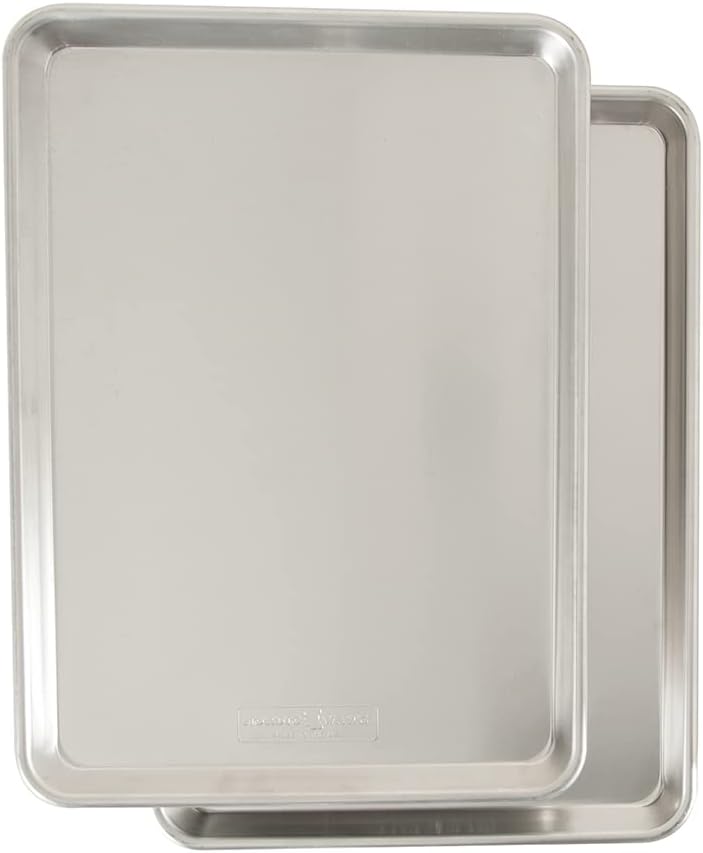
Finding the right heavy gauge baking sheet can completely transform how you handle everyday oven tasks, ranging from roasting seasonal vegetables to baking large batches of homemade cookies for family gatherings. Quality baking sheets provide essential structural strength and reliable heat distribution, preventing frustrating bends and warped metal when exposed to high oven temperatures.
Different materials bring distinct advantages to your kitchen workspace, including pure bare aluminum, stainless steel, and heavy-duty carbon steel paired with nonstick coatings. Reviewing the available options helps you carefully match pan dimensions, material characteristics, and pack quantities to your specific cooking and baking habits, ensuring dependable results across various meal preparation routines.
As an Amazon Associate, StacyLaughs earns from qualifying purchases.
Buying guide
Material Selection
Choosing the correct material for your baking sheet directly impacts heat conduction, durability, and daily maintenance routines. Pure aluminum provides rapid and exceptionally even heat distribution, making it ideal for achieving crispy cookies and evenly browned roasted vegetables. Stainless steel offers an inert, corrosion-resistant surface that withstands frequent washing without requiring specialized care or seasoning steps. Carbon steel combines sturdy structural strength with responsive thermal properties for versatile kitchen tasks.
Evaluating how each metal interacts with your specific oven environment helps prevent uneven browning and premature wear. Bare metal surfaces handle high temperatures gracefully, whereas coated options require adherence to specific heat caps to protect the finish. Matching the material properties directly to your favorite baking recipes ensures long-term kitchen satisfaction and consistent culinary results.
Sizing and Oven Fit
Pan dimensions dictate the exact quantity of food you can prepare and determine whether the tray will fit securely inside your appliance. Standard half-sheet pans require adequate interior oven width and clear rack spacing to allow proper heat circulation. Smaller sizes easily accommodate compact toaster ovens or single-portion snacks. Carefully measuring your oven cavity before purchasing prevents frustrating clearance issues and awkward handling.
Multi-pack sets often supply graduated dimensions for varied daily tasks, letting you pair small pans with side dishes and large trays with expansive baking projects. Checking external measurements ensures seamless loading and unloading during busy meal preparation moments without scraping interior oven walls or crowding your workspace.
Rim Design and Edge Support
Raised edges and reinforced rims play a critical role in preventing warping and keeping cooking juices securely contained. Rims equipped with encapsulated steel cores or thick rolled edges add vital structural rigidity when subjected to high oven heat. Taller sides also help eliminate liquid splattering onto the floor of your oven during heavy roasting tasks or baking juicy meats.
Examining how pan edges are constructed gives valuable insight into overall product longevity and everyday handling comfort. Seamless corners prevent food debris from hiding, making post-bake cleanup significantly simpler. Selecting sturdy borders protects your cookware investment against bending and twisting over years of regular kitchen use.
Coating and Surface Options
Choosing between bare metal and coated nonstick surfaces depends heavily on your personal cleaning preferences and everyday baking style. Nonstick coatings allow effortless food release for delicate pastries and sticky batters without requiring heavy greasing or parchment paper. Bare aluminum develops a natural patina over time that enhances performance much like seasoned cast iron cookware.
Understanding surface properties directly dictates your daily cleaning routine and long-term care steps. Coated pans generally require gentle hand washing to preserve the delicate nonstick finish, while unsealed metals tolerate scouring methods or specialized cleaning pastes. Balancing release convenience with manufacturer maintenance requirements helps guide your final purchase selection.
Thermal Limits and Heat Tolerance
Every baking sheet features specific temperature boundaries dictated by its material composition and applied surface treatments. Heavy aluminum and stainless steel models handle intense oven heat safely, making them exceptionally suitable for high-temperature roasting, broiling, and heavy-duty baking tasks. Coated carbon steel options often specify strict maximum heat limits to protect sensitive nonstick layers from thermal damage.
Respecting these thermal thresholds prevents coating degradation and unwanted metal warping during prolonged baking sessions. Checking maximum rating specifications ensures your cookware safely matches your preferred cooking temperatures without risking surface failure. Avoiding thermal shock by letting hot pans cool gradually preserves long-term structural integrity over time.
Maintenance and Cleaning Routines
Proper maintenance extends the functional lifespan of your baking sheets and keeps them looking tidy in cabinet storage. Many stainless steel and carbon steel pans offer dishwasher-safe convenience for busy households, though hand washing is frequently recommended by manufacturers to protect delicate nonstick finishes. Bare aluminum items often require simple hand cleaning with mild soap to avoid unwanted surface oxidation.
Addressing stubborn food residue promptly prevents baked-on buildup that can interfere with future baking results. Using appropriate non-abrasive cleaning tools avoids scratching protective coatings or polished metal surfaces. Following specific manufacturer guidelines ensures your bakeware remains dependable across countless kitchen projects and recipe tests.
Frequently asked questions
What causes baking sheets to warp in the oven?
Baking sheets typically warp when temperature changes cause metal to expand unevenly, especially in thinner pans lacking edge support. High heat applied to unreinforced centers creates stress points that bend the tray. To minimize this issue, look for pans featuring reinforced rolled edges, encapsulated steel cores, or thick heavy-gauge construction designed to resist thermal stress. Additionally, avoiding sudden temperature shifts, such as placing a scorching hot pan directly into cold water, helps protect the structural integrity of aluminum and steel bakeware over years of regular use in busy home kitchens.
Can I put aluminum baking sheets in the dishwasher?
While some aluminum pans are technically dishwasher safe, hand washing is generally recommended for bare aluminum bakeware. Harsh dishwasher detergents and high heat cycles can cause harmless oxidation, leading to discoloration or a dull chalky appearance on the metal surface. If you prefer effortless cleanup, stainless steel or coated carbon steel options with dishwasher-safe designations offer greater resistance to detergent staining. Checking the specific manufacturer guidelines for your chosen product ensures you maintain the appearance and performance of the baking sheet over its operational lifespan.
Why choose stainless steel over aluminum for baking sheets?
Stainless steel baking sheets offer exceptional corrosion resistance and a non-reactive surface that withstands daily washing without specialized care. Unlike bare aluminum, stainless steel does not develop a dark patina and remains inert up to moderate oven temperatures, protecting your recipes from metallic leaching. However, aluminum generally conducts heat faster and more evenly than stainless steel. Selecting between these materials depends on whether you prioritize effortless cleaning and inert durability or rapid, even heat distribution for browning cookies and roasting vegetables efficiently.
How do nonstick coatings affect baking sheet performance?
Nonstick coatings provide a smooth surface that allows baked goods, pastries, and roasted vegetables to release easily without requiring heavy greasing or parchment paper. This simplifies food presentation and speeds up post-bake cleanup. However, coated pans usually feature strict maximum temperature limits, often around 420 degrees Fahrenheit, to prevent damaging the nonstick layer. They also generally require gentle hand washing rather than aggressive scrubbing or abrasive cleaning pads, ensuring the coating remains intact and functional throughout regular kitchen use and meal preparation tasks.
What is an 18-gauge heavy-duty baking sheet?
An 18-gauge designation refers to the thickness of the metal used in constructing the baking sheet, with lower gauge numbers indicating thicker material. In heavy-duty aluminum pans, an 0.8mm thickness provides robust physical strength that prevents bending and denting under high oven temperatures. This substantial build quality helps distribute heat evenly across the entire pan surface while supporting larger food batches. Choosing an 18-gauge heavy-duty sheet ensures reliable durability for demanding kitchen tasks like roasting meats and baking frequent batches of cookies.