Appliances · Buying Guide
Best Homemade Pizza Dough No Rise Options and Tools
Making homemade pizza can often feel like a time-consuming chore, particularly when traditional recipes demand hours of waiting for yeast to activate and dough to expand properly. For busy home cooks seeking efficiency, finding streamlined approaches to prep without long resting periods changes the entire baking routine. You no longer need to spend an entire afternoon managing complicated kitchen tasks just to enjoy a warm slice of fresh pie on a weeknight.
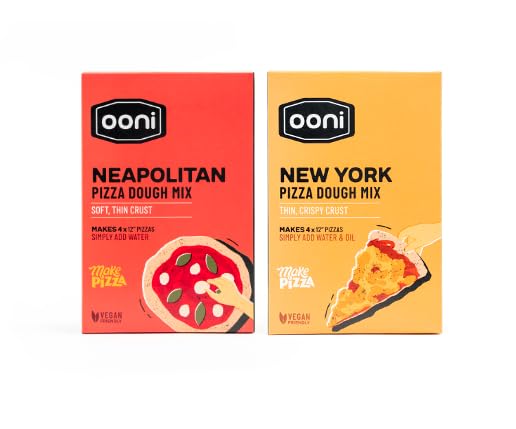
Whether you explore pre-measured baking mixes, specialized countertop mixing appliances, or dedicated proofing containers, various practical tools help simplify the process significantly. Reviewing these available options lets you choose the right equipment or mix to match your schedule, family size, and culinary preferences without unnecessary guesswork.
As an Amazon Associate, StacyLaughs earns from qualifying purchases.
Buying guide
Evaluating Material and Composition
When selecting items for your homemade pizza workflow, examining the underlying materials is a crucial first step for long-term satisfaction. Stainless steel and heavy-duty silicone offer distinct advantages for structural durability and ease of maintenance during frequent kitchen tasks. Metal frames provide robust support, while food-grade silicone ensures flexible, non-stick release properties that simplify food handling and cleanup.
Understanding how these different materials handle daily wear helps you choose products that withstand regular use without degrading. Whether you prefer rigid metal components or flexible polymer surfaces, matching the build quality to your specific cooking habits ensures lasting reliability and straightforward upkeep in any busy home kitchen environment.
Capacity and Batch Sizing
Assessing your typical serving size dictates whether you need high-capacity mixing bowls or compact individual containers for your recipes. Large families or frequent hosts benefit from spacious mixing capacities and multi-ball storage units to streamline large meal preparation sessions efficiently. Having enough room prevents overcrowding and allows you to manage multiple pizza bases simultaneously without unnecessary stress.
Conversely, smaller households might find compact mixes or single-batch tools much more manageable for casual weeknight dinners where excess leftovers are undesirable. Balancing your usual portion requirements prevents unnecessary kitchen clutter and ensures your selected equipment matches your actual cooking volume and storage limits.
Preparation Speed and Workflow
Time management plays an essential role when deciding between pre-measured baking mixes and scratch-based dough preparation methods in your busy kitchen. Pre-portioned mixes significantly reduce measuring steps, letting you transition quickly from box to baking without extensive planning or tedious ingredient sorting. This approach works exceptionally well for impromptu gatherings where fast results are a primary priority.
However, if you enjoy full control over your recipes, motorized mixers and specialized proofing tools help automate the physical kneading process while preserving your preferred ingredients. Weighing daily convenience against culinary customization helps you establish a smooth workflow rhythm that fits your personal schedule, energy levels, and cooking style.
Storage and Space Management
Kitchen footprint is a vital consideration when adding new appliances or proofing containers to your culinary arsenal. Stackable containers and compact boxes maximize vertical refrigerator and pantry space, keeping your ingredients neatly organized and secure until you are ready to bake. This smart organization prevents overcrowding in crowded refrigeration units and makes meal prep much smoother.
Larger countertop machines require dedicated surface areas and reliable electrical access, which demands careful planning in compact kitchens. Evaluating your available storage space and outlet availability ensures your workspace remains functional, safe, and entirely clutter-free without interfering with other daily cooking tasks or counter routines.
Dietary Preferences and Ingredients
Specific dietary needs often dictate the exact type of mix or recipe you choose for your homemade pizza nights. Gluten-free, grain-free, and plant-based alternatives cater to individual nutritional goals without sacrificing the overall joy of baking delicious homemade pies. These specialized formulations allow everyone at the table to participate fully in the meal preparation and enjoyment.
Reviewing product ingredient lists carefully helps ensure your selections align with your family's health requirements and personal taste preferences. Selecting specialized mixes broadens your culinary horizons while accommodating various guest dietary restrictions seamlessly, ensuring that all participants enjoy a satisfying and inclusive dining experience together during casual or formal gatherings.
Maintenance and Product Care
Keeping your kitchen tools and containers clean ensures long-term product longevity and hygienic food preparation practices in any busy home setting. Dishwasher-safe components and smooth stainless steel or silicone surfaces minimize cleanup effort significantly after a busy baking session, saving you valuable time at the end of the day while always maintaining pristine sanitary conditions.
Following manufacturer guidelines for proper washing and storage protects your equipment investment and prevents premature wear over years of regular use. Simple upkeep routines allow you to focus on enjoying your culinary creations rather than spending excessive hours scrubbing stubborn dough residue from complicated mechanical parts or delicate accessories.
Frequently asked questions
Can I use specialized mixes for traditional baking methods?
Specialized baking mixes provide pre-measured dry ingredients formulated to simplify the preparation process, but you can generally adapt them according to your preferred baking techniques. Whether you are using a countertop mixer or mixing by hand, following the basic hydration and resting instructions ensures optimal results. However, reviewing the specific package guidelines remains important since alternative flours or pre-blended yeasts may react differently compared to standard all-purpose wheat flour recipes, requiring minor adjustments to your usual timing and handling methods.
How do proofing containers help with dough preparation?
Proofing containers provide dedicated, airtight compartments that keep individual dough balls separated during the resting phase. This physical separation prevents the balls from sticking together or drying out while they develop. Using food-grade silicone boxes with clear lids also allows you to monitor fermentation progress easily without disturbing the dough. Furthermore, stackable designs maximize available refrigerator or freezer space, making them highly practical for meal prep enthusiasts and mobile pizzaiolos who transport ingredients frequently.
What are the benefits of using an electric dough mixer?
Electric dough mixers automate the labor-intensive kneading process, making them exceptionally useful when preparing large batches of bread or pizza dough for family gatherings. A powerful motor and a spacious stainless steel bowl allow you to process heavy ingredients efficiently without manual strain. Additionally, features like constant temperature fermentation and top addition windows help maintain ideal yeast activity and let you incorporate extra water or seasonings mid-cycle, saving time and ensuring consistent texture results.
Are alternative flour mixes suitable for gluten-free diets?
Many alternative baking mixes utilize ingredients like almond flour, coconut flour, and ground flax to create grain-free and gluten-free pizza crust options. These specialized formulations cater to individuals with specific dietary restrictions or lower glycemic preferences while still offering a savory base for toppings. Because they lack traditional wheat gluten, they often feature unique texture profiles and require specific liquid ratios, so checking the manufacturer instructions ensures successful preparation every time you bake.
How should I clean and maintain my pizza preparation equipment?
Maintaining your pizza preparation equipment involves following manufacturer guidelines for washing and storage to ensure long-term durability. Many silicone proofing boxes and stainless steel mixing components are dishwasher-safe, which simplifies cleanup after busy baking sessions. For motorized mixers, wiping down the exterior and washing removable bowls promptly prevents stubborn dough residue from hardening. Proper care preserves both the hygienic condition and the mechanical performance of your tools for future culinary projects.