Appliances · Buying Guide
Best Indoor Pizza Oven for Home Countertop Baking
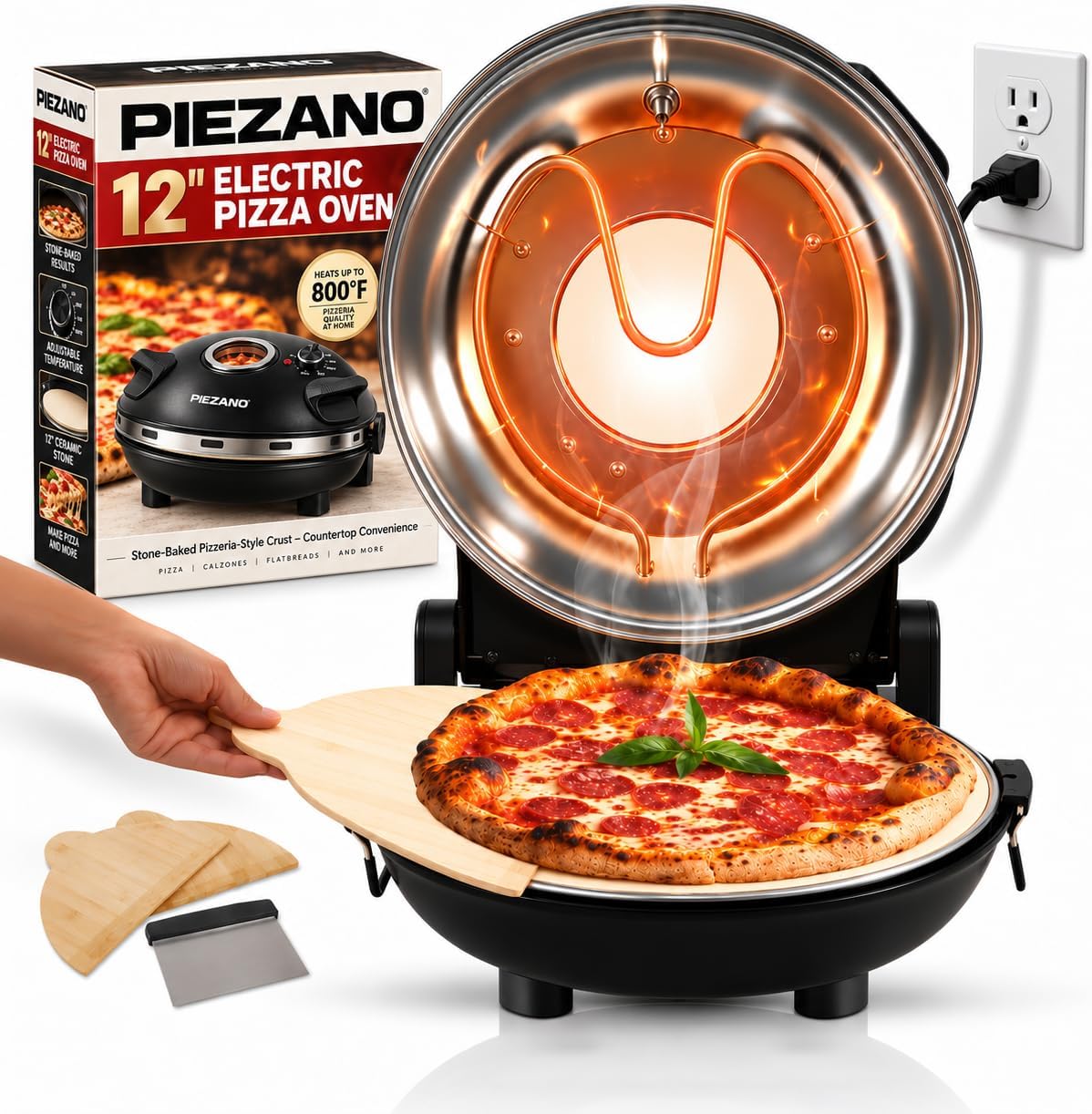
Bringing pizzeria-style pies directly into a home kitchen no longer requires a bulky outdoor masonry setup or waiting twenty minutes for a conventional range to preheat. Dedicated electric countertop pizza makers reach high temperatures rapidly, transforming standard dough into crisp, bubbly crusts with melted cheese in just a few minutes right on your kitchen counter.
Modern indoor appliances combine high-wattage heating elements with specialized ceramic stones to replicate authentic baking environments. Whether you want a quick weeknight dinner or a versatile cooking machine that handles multiple baking tasks, choosing the right model depends on your kitchen counter space, available wattage, and desired temperature range for everyday meal preparation.
As an Amazon Associate, StacyLaughs earns from qualifying purchases.
Buying guide
Counter Space and Physical Dimensions
Selecting an indoor pizza oven begins with measuring your available kitchen counter space. Countertop models vary widely in width and depth, ranging from compact 14-inch square footprints to larger 21-inch wide appliance bodies. Checking your upper cabinet clearance is equally important because high-heat cooking units require adequate vertical room to dissipate heat safely during operation.
If you have a small kitchen or limited prep area, look for space-saving features like flip-up designs or lighter bodies that can be stored away easily. Heavy stainless steel units offer great durability but remain difficult to move frequently. Balancing physical dimensions with your kitchen layout ensures comfortable daily use without overcrowding your workspace.
Heating Power and Maximum Temperature
Temperature capacity dictates whether your indoor oven can produce a true pizzeria-style crispy crust. Models reaching 800 to 850 degrees Fahrenheit bake fresh dough in minutes by mimicking traditional brick ovens. High wattage ranging from 1200 to 1800 watts powers these elevated temperatures, allowing the ceramic stone to retain heat effectively for multiple consecutive cooking cycles.
Consider your electrical setup when reviewing high-wattage appliances. Units operating at 1800 watts draw significant power, which requires attention if you run other heavy kitchen devices on the same circuit. Lower-wattage options provide efficient performance for standard home circuits while still achieving the high heat necessary for bubbling cheese and crisp crusts.
Cooking Presets and Control Types
Modern countertop pizza makers offer various control interfaces, including simple dual knobs, push buttons, and advanced touchscreen panels. Touchscreen interfaces often include specialized presets for Neapolitan, New York, thin crust, pan, and frozen pizzas. These automated programs take guesswork out of baking by optimizing temperature curves for specific dough styles and thickness levels.
Manual control options give experienced home cooks the freedom to adjust top and bottom heating elements independently. Independent element control helps balance cheese browning and crust crispness without burning toppings. Choose a control style that matches your comfort level with kitchen technology and your desire for custom baking adjustments.
Stone Material and Heat Retention
The baking surface plays a critical role in drawing moisture out of raw dough to create an authentic crust texture. Natural ceramic and cordierite pizza stones distribute thermal energy evenly across the base of the pie. Removable stone designs simplify cleaning routines by allowing you to take the plate out of the oven chamber once the appliance cools down.
Thick stones retain heat exceptionally well, making them ideal for baking back-to-back pizzas during family gatherings or casual parties. Always check manufacturer cleaning instructions, as many ceramic stones require hand washing rather than automated dishwasher cycles. Proper stone maintenance preserves the cooking surface quality over years of regular homemade pizza nights.
Versatility Beyond Traditional Pizza
Many electric countertop ovens double as multi-purpose cooking appliances, offering functions that extend far beyond standard pizza preparation. Models equipped with air fry, roasting, broiling, and baking settings let you cook wings, vegetables, and baked goods using a single countertop device. This versatility helps maximize kitchen utility if you have limited storage for specialized gadgets.
Single-purpose pizza ovens focus intensely on high-heat baking performance, often delivering faster pizza cooking times and dedicated stone retention. Deciding between a specialized pizza maker and an all-in-one appliance depends on whether you plan to use the device for everyday meal prep or strictly for weekend pizza nights.
Cleanup and Maintenance Accessibility
Keeping a high-heat countertop appliance clean requires evaluating its internal design and removable components. Ovens featuring smooth exterior paint finishes resist oil splatters and fingerprints during active cooking. Removable ceramic stones, crumb trays, and dishwasher-safe accessories significantly reduce the effort needed to maintain a hygienic cooking environment after preparing messy cheese pizzas.
Inspecting door designs and viewing windows also helps determine how easily you can wipe down interior surfaces. Tempered glass panes and double-walled doors contain heat efficiently while allowing straightforward spot cleaning. Reviewing component accessibility ensures your appliance remains easy to maintain throughout years of regular homemade baking sessions.
Frequently asked questions
Do indoor pizza ovens require special electrical wiring or outlets?
Most home indoor pizza ovens operate on standard 110V to 120V electrical supplies and plug directly into common household wall outlets. However, because units draw between 1200 and 1800 watts, it is important to check your circuit load if you plan to run other heavy kitchen appliances simultaneously. Some models utilize a 3-prong grounded plug configuration, requiring you to ensure a compatible grounded outlet is available near your intended countertop placement before starting your baking routine.
How long does it take an indoor pizza oven to preheat and bake?
Preheat times typically range from fifteen minutes depending on the specific model and target temperature, which can reach up to 800 or 850 degrees Fahrenheit. Once preheated, high-heat countertop ovens bake fresh homemade pizzas in as little as three to six minutes. This speed is significantly faster than conventional kitchen ranges, which generally take much longer to reach lower maximum temperatures and require extended baking durations for comparable crust crispness.
Can I cook frozen pizzas in a countertop electric pizza oven?
Yes, many indoor pizza ovens feature dedicated frozen pizza presets or manual high-heat settings designed to handle pre-made frozen pies. Some manufacturers recommend letting frozen bases thaw slightly for optimal results before placing them onto the hot ceramic stone. The intense heat from both upper and bottom heating elements quickly melts cheese and crisps frozen crusts much better than a standard microwave or toaster oven can achieve.
How should I clean the ceramic pizza stone after use?
Cleaning the removable ceramic pizza stone requires letting the appliance cool down completely to prevent thermal shock. Most manufacturers recommend hand washing the stone with warm water without using harsh soaps or abrasive scouring pads that could damage the porous ceramic material. Removable stones lift easily out of the oven base, allowing you to wipe away crumbs and light residue safely while keeping the cooking surface ready for your next meal.
Are countertop pizza ovens capable of cooking other foods besides pizza?
Many countertop pizza appliances offer extensive versatility beyond standard pies. Models equipped with multiple cooking functions can bake calzones, flatbreads, roasted vegetables, chicken wings, and baked goods like cookies or bread. Combination appliances even integrate air frying, broiling, and toast settings. If you choose a dedicated single-purpose pizza maker, the high-heat stone environment is still excellent for reheating leftover slices and baking artisanal flatbreads with genuine crispy crust textures.