Appliances · Buying Guide
Best Kenji NY Pizza Dough Gear and Mixes for Homemade Pies
Making authentic New York style pizza at home requires the right balance of mixing, proofing, and baking components. Whether you are experimenting with traditional artisan flour blends or setting up a reliable cold fermentation station, having dedicated kitchen tools simplifies the entire process and improves your final crust quality significantly over standard baking methods.
From pre-measured dry ingredient mixes that come together in just a few hours to stackable silicone containers designed to keep individual dough balls perfectly hydrated, modern home cooks have access to specialized supplies. Choosing the right combination helps achieve that desired chewy crust texture and professional flavor profile right in your own kitchen without complicated preparation steps.
As an Amazon Associate, StacyLaughs earns from qualifying purchases.
Buying guide
Choosing Flour Types for Regional Crust Styles
Selecting the right flour is the foundational step in crafting memorable homemade pizza crusts. Fine zero-zero flour provides the delicate, pillowy structure required for traditional Neapolitan pies, while higher-protein blends support the foldable chew characteristic of New York style slices. Understanding how different milling grades interact with your oven temperature helps you match ingredients to your specific baking equipment.
When evaluating flour options, consider whether you prefer scratch mixing or pre-blended convenience. Scratch baking allows you to adjust hydration percentages and experiment with ancient grains or semolina additions. Pre-measured mixes remove guesswork by combining tested proportions of flour and yeast, ensuring consistent results even when you are pressed for time during busy weekend dinners.
Managing Dough Proofing and Fermentation
Proper proofing transforms simple flour and water into a light, airy dough with exceptional flavor depth. Room-temperature fermentation works quickly for short schedules, but cold fermentation in the refrigerator develops complex flavors over twenty-four to seventy-two hours. Monitoring ambient kitchen warmth and dough temperature during these stages prevents over-proofing and ensures a stable structure.
Utilizing dedicated proofing containers protects individual dough portions from drying out while resting in the refrigerator. Look for vessels featuring secure air-tight seals and sturdy stacking capabilities to maximize refrigerated shelf space efficiently. Clear walls allow you to monitor dough rise and gas development visually without removing the lid, helping you time your baking schedule accurately.
Selecting the Right Dough Containers
Organizing your dough balls during cold fermentation requires reliable containers that prevent sticking and deformation. Silicone proofing trays offer flexible release and easy cleaning, especially when reinforced with internal steel frames for structural rigidity during stacking. These resilient materials withstand routine dishwashing and maintain shape over countless baking cycles in busy home kitchens.
Capacity and physical footprint are vital considerations for refrigerator storage planning. Ensure your chosen containers fit comfortably on refrigerator shelves alongside other groceries while holding your preferred dough ball volume. Individual compartments keep portions separated so they never merge together, making it simple to transfer each round disk directly to your work surface.
Balancing Preparation Speed Versus Scratch Baking
Home pizza bakers frequently weigh the convenience of ready-made dry mixes against the creative satisfaction of scratch baking. Pre-measured mixes deliver consistent results in a fraction of the time, letting you go from box to bake in just three hours. This streamlined approach suits spontaneous gatherings when you want authentic regional flavor without measuring individual components.
Conversely, building dough from individual bags of flour, yeast, and seasoning offers ultimate control over flavor profiles and crust textures. Scratch baking allows you to fine-tune hydration levels, incorporate specialty grains, and adjust fermentation timelines to suit conventional home ovens or outdoor pizza ovens. Assess your weekly schedule to decide whether speed or custom craftsmanship matters more.
Optimizing Oven Performance and Crust Texture
The interaction between your dough formula and baking environment dictates your final crust texture. High-heat outdoor pizza ovens crisp thin crusts rapidly, producing charred, pillowy edges typical of traditional Neapolitan pies. Conventional household ovens operate at lower temperatures, requiring versatile flour blends that brown evenly and maintain structural integrity under extended baking times.
Incorporating supporting ingredients like coarse ground semolina on your peel and baking surface prevents sticking while adding a subtle crunch and appealing color to the exterior crust. Pairing your flour selection with appropriate savory seasonings further elevates the homemade experience, bridging the gap between commercial takeout pizza and your own successful kitchen creations.
Organizing Storage and Pantry Essentials
Maintaining an efficient pizza-making station starts with organized storage solutions for both dry goods and proofed dough balls. Multi-pack bundles and large flour bags require dedicated pantry space, so evaluate your cabinet dimensions carefully before stocking up on bulk supplies. Keeping dry mixes and specialty flours in sealed environments protects them from moisture and household pests.
Similarly, having dedicated stackable gear for cold fermentation streamlines your weekly food preparation routine from start to finish. When your proofing boxes, specialty flours, and savory seasonings are stored logically together in your kitchen cabinets, executing a successful pizza night becomes an organized, repeatable process rather than a stressful schedule scramble.
Frequently asked questions
Can I use regular all-purpose flour for New York style pizza dough?
While all-purpose flour can work in a pinch, specialized zero-zero flour or high-protein bread flour provides superior results for New York style crusts. These artisan flours develop the necessary gluten structure required to achieve that classic foldable chew and crisp exterior texture. Using standard flour may yield a softer, bread-like crust that lacks the distinctive structural integrity of authentic pizzeria slices. Therefore, matching your flour type to your desired crust style remains an important consideration for best results at home.
How long does it take to prepare dough using Ooni pre-mixed packages?
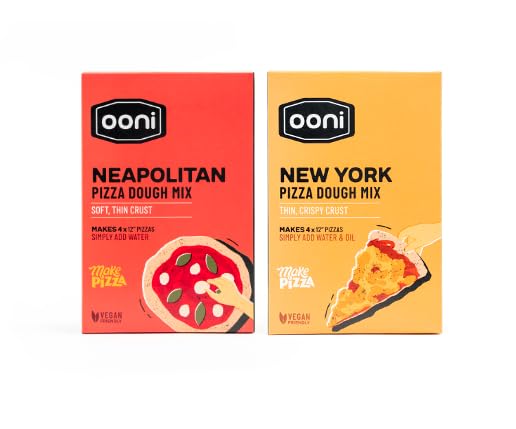
Ooni pre-measured dry mixes are specifically formulated for speed, requiring only the addition of water and a short three-hour proofing cycle. This quick turnaround makes them ideal for spontaneous weekend pizza parties or fast weeknight dinners when you do not have time for overnight fermentation. The included instructions guide you step by step through mixing, resting, and stretching to produce four twelve-inch bases without hassle.
Why is cold fermentation recommended for artisan pizza dough?
Cold fermentation allows dough balls to rest in the refrigerator for extended periods, typically twenty-four to seventy-two hours, which significantly enhances flavor complexity and crust texture. During this slow cold rest, yeast activity slows down while enzymes break down starches and proteins, resulting in improved digestibility and superior browning characteristics in hot ovens. Using dedicated stackable proofing containers during this process keeps individual portions hydrated and protected from refrigerator odors.
What is the purpose of using semolina flour on pizza baking surfaces?
Coarse ground semolina flour serves as a practical anti-stick agent when dusting your peel, work surface, or baking stone. Because of its coarse texture and high gluten content, semolina acts like tiny ball bearings that allow stretched dough to slide effortlessly off your peel and into the oven. Additionally, it imparts a pleasant nutty flavor, light crunch, and appetizing golden color to the bottom crust of your homemade pizzas.
How do I clean and maintain silicone pizza dough proofing trays?
Silicone proofing containers are designed for straightforward maintenance and can typically be cleaned in the dishwasher or washed by hand with warm soapy water. Their flexible non-stick material makes removing residual flour and proofed dough effortless without requiring harsh scrubbing tools. When storing them, ensure the containers are completely dry and stack them neatly to save cabinet space while protecting their steel-reinforced frames from unnecessary bending or pressure.