Appliances · Buying Guide
Best King Arthur Flour Selections for Homemade Pizza Dough
Making authentic pizza dough at home requires the right ingredients to achieve that ideal balance of a crispy exterior and a chewy interior. King Arthur provides specialized flours, mixes, and bundles designed to elevate your baking routine. Whether you prefer traditional high-protein wheat, gluten-free alternatives, or convenient low-carb options, selecting the correct product ensures your crust holds its shape and bakes evenly.
Exploring different formulations allows home bakers to experiment with styles ranging from Neapolitan pies to deep-dish or dietary-specific recipes. With options varying from coarse semolina to specialized 00 flour and ready-to-use mixes, understanding each product's attributes helps you match your culinary goals to the right package. Here is a breakdown of top King Arthur selections tailored for crafting memorable pizza nights.
As an Amazon Associate, StacyLaughs earns from qualifying purchases.
Buying guide
Protein Content and Gluten Development
Understanding protein levels is essential when selecting flour for homemade pizza dough. Flours with higher protein percentages, such as fourteen percent options, create a robust gluten network. This network traps gas effectively, resulting in a chewy texture and an airy, lofty interior structure.
Lower protein alternatives behave differently during mixing and kneading phases. Choosing the right protein concentration ensures your dough responds predictably to stretching, shaping, and baking in your specific oven environment without tearing unexpectedly.
Dietary Needs and Alternative Mixes
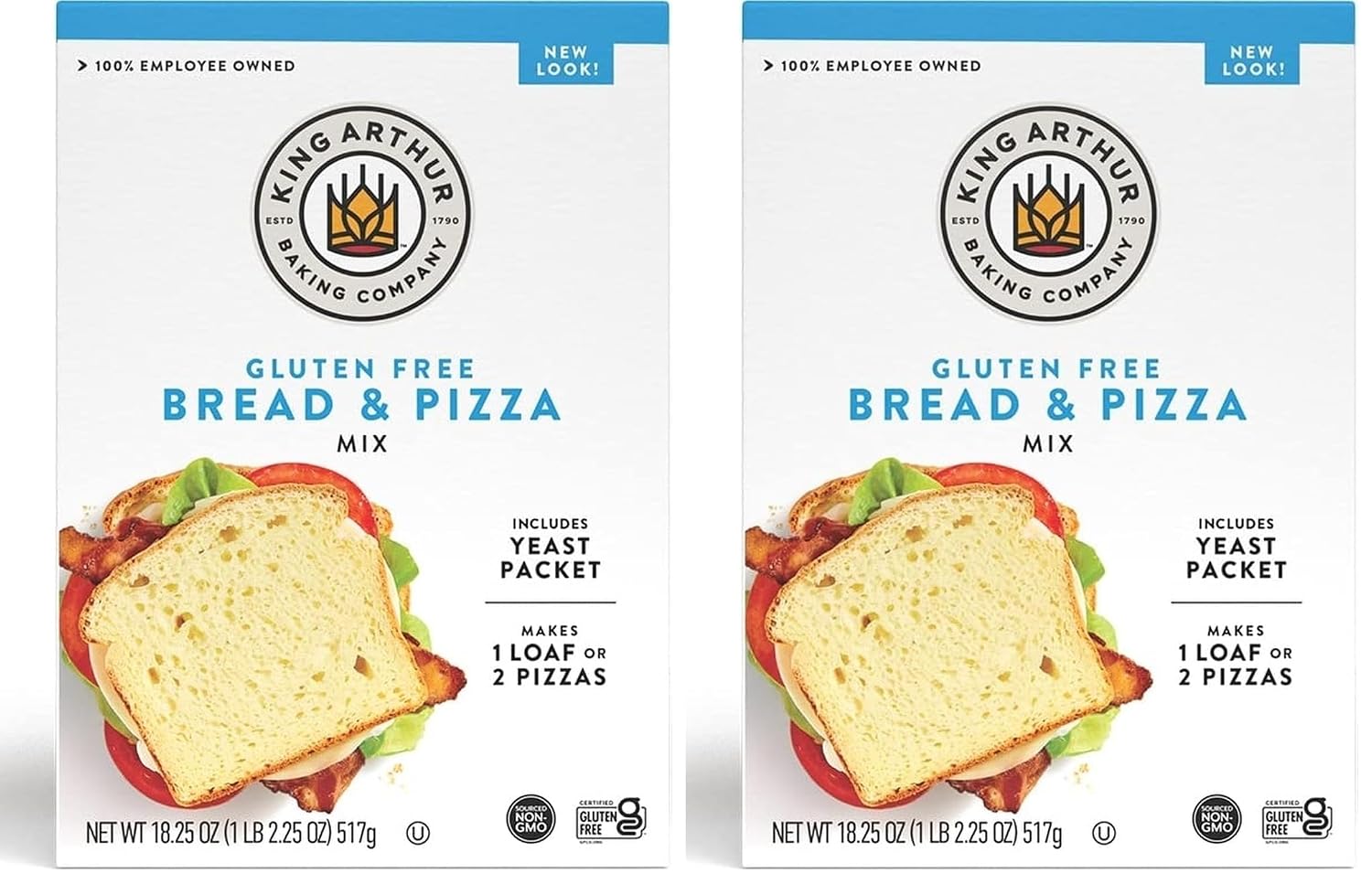
Modern baking accommodates various dietary restrictions through specialized mixes designed for specific health goals. Gluten-free formulations allow sensitive individuals to enjoy pizza night without experiencing digestive discomfort or missing out on comforting mealtime traditions. These specialty blends often incorporate alternative grains, iron, calcium, and added vitamins to support balanced daily nutrition for everyone at the table.
Similarly, low-carb keto mixes substitute traditional wheat with alternative ingredients to minimize net carbohydrate intake during family meals. Evaluating your household nutritional preferences helps you select a mix that aligns with your dietary goals while maintaining satisfactory baking performance, straightforward preparation steps, and enjoyable crust textures across multiple servings.
Coarse Grinds and Dusting Surfaces
Coarse ground semolina flour serves an essential purpose in pizza preparation beyond mixing directly into the primary dough recipe. Sprinkling this textured durum wheat product generously onto your baking peel, wooden paddle, or baking stone creates a reliable physical barrier that keeps everything moving smoothly without tearing your delicate formed crust during prep.
This protective barrier prevents sticky dough from adhering to hot cooking surfaces during the critical transfer process into the oven. Additionally, using coarse semolina imparts a pleasant nutty flavor, a satisfying surface crunch, and a subtle golden hue to the exterior crust of your finished homemade pizza every single time you bake at home.
Packaging and Pantry Storage
Evaluating package sizes and container types helps you manage your kitchen inventory effectively over extended periods. Resealable bags protect bulk flours and specialty mixes from household moisture, air exposure, and pantry pests, extending the usable lifespan of your dry baking ingredients significantly between baking sessions. Proper sealing prevents clumping and maintains product integrity.
Multi-pack offerings provide convenient value and ensure you maintain a sufficient supply for frequent weekend baking sessions and family gatherings throughout the year. However, storing multiple larger bags requires adequate pantry shelf space, making it important to carefully assess your available kitchen storage capacity before purchasing bulk quantities of flour or mix for your home kitchen.
Oven Compatibility and Baking Methods
Different flour formulations react uniquely to various baking temperatures and oven types used in modern home kitchens. Specialized pizza flours perform exceptionally well in conventional home ovens operating below five hundred degrees as well as dedicated high-heat outdoor pizza ovens designed for rapid cooking and charring. Understanding these thermal dynamics prevents unwanted burning issues.
Matching your flour choice to your preferred cooking method ensures optimal crust browning, proper rise, and superior interior texture development every single time you bake. Reviewing temperature recommendations helps you achieve reliable baking results regardless of your specific kitchen equipment setup, baking stone availability, or personal culinary ambitions. Consistency depends on this alignment.
Flavor Profiles and Seasoning Additions
Incorporating seasonings and flavor-enhancing ingredients elevates homemade pizza crusts from simple baked dough to a truly flavorful meal centerpiece. Savory seasoning blends containing garlic, onion, basil, oregano, and red pepper flakes provide an instant aromatic touch that complements any homemade, frozen, or takeout pizza style effortlessly. This final touch adds familiar savory comfort.
Utilizing these complementary flavor additions ensures your finished pizza delivers a complete and satisfying sensory experience for everyone dining at your table. Pairing your chosen dough base with the right seasoning blend ties your entire meal together seamlessly without introducing extra preparation hassle in the busy kitchen environment. Flavor matters greatly for meals.
Frequently asked questions
What is the best flour for making traditional pizza dough at home?
When aiming for traditional pizza dough, high-protein options or specialized zero-zero flours deliver superior results by supporting strong gluten development. These formulations provide the necessary elasticity and structural strength required to stretch dough thinly without tearing. They also accommodate high baking temperatures typically found in pizza ovens, yielding a crisp exterior and a tender, chewy interior. Selecting a high-protein or zero-zero flour ensures your homemade pizzas closely mimic professional pizzeria styles.
Can I use semolina flour directly as my primary pizza dough base?
Coarse ground semolina flour is generally designed for dusting baking peels, wooden paddles, or baking stones to prevent sticky dough from adhering during transfer. While it features a high protein content derived from durum wheat, its coarse texture makes it less ideal as a standalone flour for standard soft doughs. Bakers typically blend semolina with other flours or use it externally to impart a nutty flavor, golden color, and desirable surface crunch.
Are there gluten-free options available for making pizza dough?
Certified gluten-free bread and pizza mixes offer a reliable alternative for individuals with wheat sensitivities or celiac disease. These specialized blends use alternative ingredients that eliminate grittiness and aftertaste while providing a texture that slices similarly to traditional wheat loaves. Often fortified with essential nutrients like iron, calcium, and vitamin B, these mixes simplify the baking process, ensuring that everyone at the table can enjoy homemade pizza regardless of dietary restrictions.
How do I store my baking flours and mixes to maintain freshness?
Proper storage involves keeping your flours and mixes in cool, dry environments protected from household moisture, air exposure, and pantry pests. Products packaged in resealable bags offer convenient protection by allowing you to seal out air after each use. For bulk multi-pack purchases, ensure you have adequate pantry shelving space to accommodate the bags while keeping them tightly closed to preserve the quality and shelf life of the baking ingredients.
What makes high-gluten flour different from standard all-purpose flour?
High-gluten flour contains a significantly higher protein concentration, reaching up to fourteen percent compared to standard options. This elevated protein level builds an exceptionally strong and elastic gluten network that supports long fermentations and produces a dense, chewy texture. It is ideal for artisan hearth breads, bagels, and pretzels, as well as pizza crusts that require a lofty interior and toothsome quality. However, it requires precise hydration to avoid overly resistant dough.