Appliances · Buying Guide
Best King Arthur Pizza Dough Mixes And Flours For Homemade Pies
Making pizza dough at home allows you to control every ingredient, from the flour base to the final seasonings. Choosing the right product depends heavily on your dietary needs, such as managing carbohydrate intake or avoiding gluten entirely while still enjoying a savory slice.
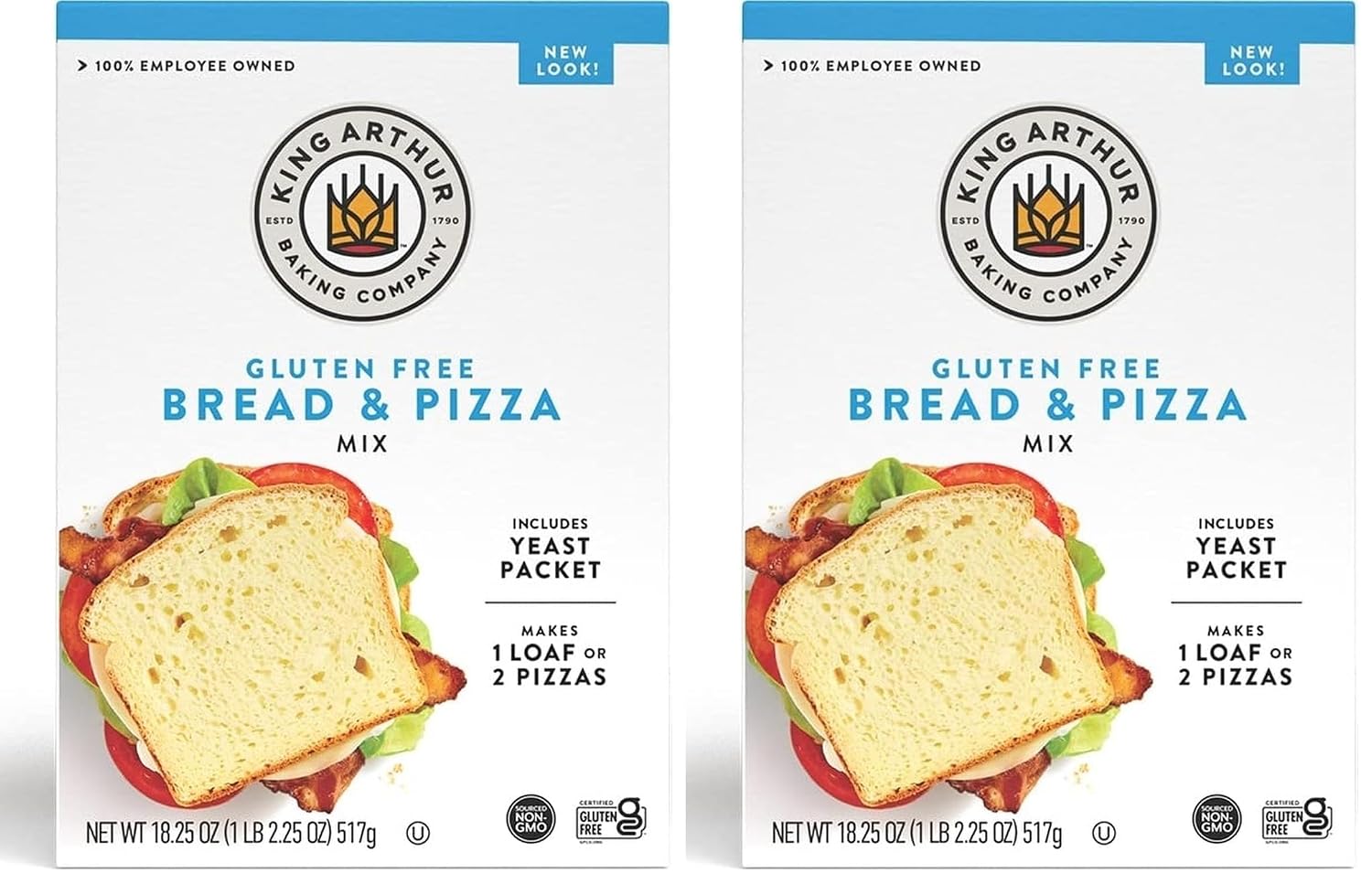
King Arthur offers a diverse range of baking options designed to simplify crust preparation. Whether you prefer a specialized low-carb mix, a gluten-free alternative, or traditional organic flour, understanding each option helps you achieve a delicious crust tailored to your personal preferences.
As an Amazon Associate, StacyLaughs earns from qualifying purchases.
Buying guide
Evaluating Protein Content
Protein content determines the strength and elasticity of your homemade pizza dough. Flours with higher protein percentages develop robust gluten networks, which help the dough stretch thin without tearing.
When selecting flour for pizza making, consider whether you want a chewy artisanal crust or a tender alternative. High-protein options support crisp outer edges.
Understanding Dietary Restrictions
Dietary needs dictate which pizza mix or flour will fit your lifestyle best. Gluten-free and low-carb formulations allow individuals with specific restrictions to enjoy homemade pizza nights.
Always check packaging labels for certified attributes like non-gmo verification or gluten-free certifications to ensure the product matches your household requirements.
Choosing Between Mixes and Flours
Pre-made baking mixes combine necessary dry ingredients to streamline preparation. These options are convenient for novice bakers who want reliable results quickly.
Raw unbleached flours require you to measure individual ingredients like yeast and salt. This path gives experienced bakers total control over flavor development.
Managing Package Sizes and Storage
Package sizes range from ten-ounce specialty mixes to bulk multi-pound flour bags. Large households or frequent bakers benefit from larger quantities.
Proper storage protects flour and mixes from moisture and pests. Resealable bags or airtight containers help preserve freshness over extended periods.
Utilizing Dusting and Finishing Agents
Coarse semolina flour serves as an effective dusting agent for pizza peels. It prevents sticky dough from adhering to hot baking surfaces.
Adding savory seasonings provides a familiar final touch to baked crusts. Combining these elements enhances the overall homemade pizza experience.
Selecting Oven Compatibility
Different flours perform uniquely across various baking environments. Zero zero flour handles both conventional kitchen ovens and high-heat pizza ovens.
Matching your flour choice to your specific cooking temperature ensures your pizza crust bakes evenly without burning or remaining undercooked.
Frequently asked questions
Can I use bread flour to make pizza dough?
Yes, bread flour works well for pizza dough because its higher protein content helps create a strong, chewy crust that holds up under various toppings. Many home bakers prefer unbleached bread flour for traditional artisanal styles.
How does semolina flour help during pizza preparation?
Coarse semolina flour is frequently used to dust pizza peels and baking surfaces. Its coarse texture prevents raw pizza dough from sticking, allowing the pie to slide smoothly onto a hot baking stone.
Are there low-carb options available for pizza crusts?
Specialized low-carb baking mixes allow individuals following keto or low-carb diets to make homemade pizza crusts. These mixes typically yield low net carbs per serving while providing straightforward preparation instructions.
What is the benefit of zero zero flour for pizza?
Zero zero flour is finely ground and traditionally used for Neapolitan style pizzas. It is versatile enough to perform well in both standard home ovens and high-heat outdoor pizza ovens.
How should I store leftover flour and mixes?
To maintain freshness, store your baking mixes and flours in cool, dry locations. Using resealable bags or transferring bulk flour into airtight containers protects the contents from moisture and contaminants.