Appliances · Buying Guide
Best King Arthur Sourdough Pizza Crust Options and Alternative Baking Kits

Baking homemade pizza at home requires the right foundation, whether you prefer traditional styles, specialized dietary options, or versatile flour blends. King Arthur Baking Company offers a range of mixes and ingredients designed to help home bakers achieve consistent results in their own kitchens. From dedicated low-carb mixes to gluten-free alternatives and complete pizza night bundles, these products cater to various dietary preferences and baking skill levels without requiring complex scratch recipes.
Choosing the right baking product depends on your specific dietary needs, available equipment, and the style of crust you want to create. While standard pizza dough relies on basic flour, yeast, water, and salt, specialized mixes simplify the process by combining precise proportions of dry ingredients. This overview examines several King Arthur baking products, detailing their practical uses, key features, and important considerations to help you select the ideal option for your next homemade pizza night.
As an Amazon Associate, StacyLaughs earns from qualifying purchases.
Buying guide
Evaluating Flour Types for Pizza Styles
Different pizza styles require specific flour characteristics to achieve the desired crust texture. Standard all-purpose flour works for casual baking, but high-gluten flours or finely milled 00 grades provide better elasticity for stretching thin crusts. When baking at high temperatures in specialized ovens, 00 flour resists burning while maintaining a tender interior. Consider your typical baking temperature and preferred crust thickness before selecting a flour variety.
Coarse semolina flour serves a different purpose in the baking process, primarily acting as a dusting agent to prevent raw dough from sticking to peels or baking stones. Its high protein content from durum wheat also contributes a distinct nutty flavor and pleasant crunch to the exterior of the crust. Matching the right flour or bundle components to your recipe ensures your dough behaves predictably from the mixing bowl to the oven.
Understanding Dietary Needs and Mix Options
Dietary restrictions shape how you approach homemade pizza preparation, influencing whether you choose wheat-based flours, gluten-free alternatives, or low-carb mixes. Gluten-free baking mixes substitute traditional wheat with alternative starches and grains, often fortified with vitamins and minerals to balance nutrition. These mixes undergo rigorous certification processes to ensure safety for individuals with celiac disease or gluten sensitivities.
Low-carb and keto-friendly mixes utilize specialized ingredient blends to keep net carbohydrates minimal per serving. While these options allow individuals with strict dietary goals to enjoy pizza night, they often handle moisture and heat differently than standard wheat dough. Reviewing ingredient lists and package instructions helps you anticipate texture variations and select a product that aligns with your household nutritional goals.
Convenience Versus Scratch Baking Considerations
Deciding between pre-measured baking mixes and scratch ingredients involves balancing preparation time with customization control. All-in-one mix kits include pre-measured dry components, yeast, and seasonings, significantly reducing prep time and eliminating the need to measure multiple bags of flour and spices. This approach benefits busy home cooks who want dependable results without complex measuring steps.
Conversely, purchasing bulk flour bags and seasonings separately gives experienced bakers complete control over hydration levels, fermentation times, and flavor profiles. While scratch baking requires more active kitchen participation and storage space for individual ingredients, it accommodates advanced techniques like long cold fermentations. Assess your available time and culinary experience when deciding between convenient kits and bulk ingredients.
Storage and Packaging Practicalities
Flours and baking mixes require proper storage to maintain freshness and prevent exposure to ambient kitchen moisture or pests. Many quality baking products feature resealable bags or multi-pack configurations that help preserve shelf life over multiple baking sessions. Evaluating your storage space ensures you can comfortably accommodate bulk bags or multi-pack boxes without cluttering pantry shelves.
When purchasing multi-packs, consider how quickly your household consumes baked goods to prevent ingredients from sitting unused for extended periods. Resealable packaging helps mitigate this by allowing you to dispense exact amounts while sealing the remainder securely. Proper pantry organization keeps your baking supplies accessible and ready for impromptu weekend pizza nights.
Oven Compatibility and Heat Requirements
The type of oven you use at home heavily influences your choice of pizza dough and flour. Conventional home ovens typically reach maximum temperatures around 500 degrees Fahrenheit, which suits standard dough mixes and versatile 00 flours well. High-heat portable pizza ovens reach much higher temperatures and require specialized flours that can withstand intense radiant heat without scorching instantly.
Matching your ingredients to your cooking equipment prevents common baking failures like burnt crust edges or raw centers. If you bake primarily on a standard kitchen baking sheet or stone, look for mixes formulated to crisp effectively at moderate temperatures. Reviewing manufacturer guidance for maximum operating heat ensures your chosen dough performs optimally in your specific cooking environment.
Kit Inclusions and Additional Ingredients Needed
Baking kits vary significantly regarding what ingredients are included inside the box versus what you must supply separately. Some kits provide comprehensive components, including dry mixes, active yeast, specific seasonings, and toppings like rosemary sea salt, requiring only basic kitchen staples like water and oil. Other products consist solely of flour blends, leaving hydration, leavening, and seasoning entirely up to the baker.
Understanding these inclusions helps you avoid unexpected trips to the grocery store before starting a recipe. Always check whether yeast or specialty toppings come bundled with the mix or if you need to stock them separately in your pantry. Clear awareness of package contents allows for smooth preparation and an enjoyable, stress-free baking experience.
Frequently asked questions
What is the difference between standard flour and 00 pizza flour for homemade crust?
Standard all-purpose flour works for general baking, while 00 pizza flour is finely ground from high-quality wheat to create smooth, elastic dough suited for Neapolitan-style pizzas. The fine texture allows the dough to stretch thinly without tearing easily. Additionally, 00 flour handles both conventional home ovens and high-heat pizza ovens effectively, browning evenly without burning too quickly. Choosing 00 flour helps achieve an authentic pizzeria-style crust texture at home.
Can gluten-free pizza mixes be used to make other types of baked goods?
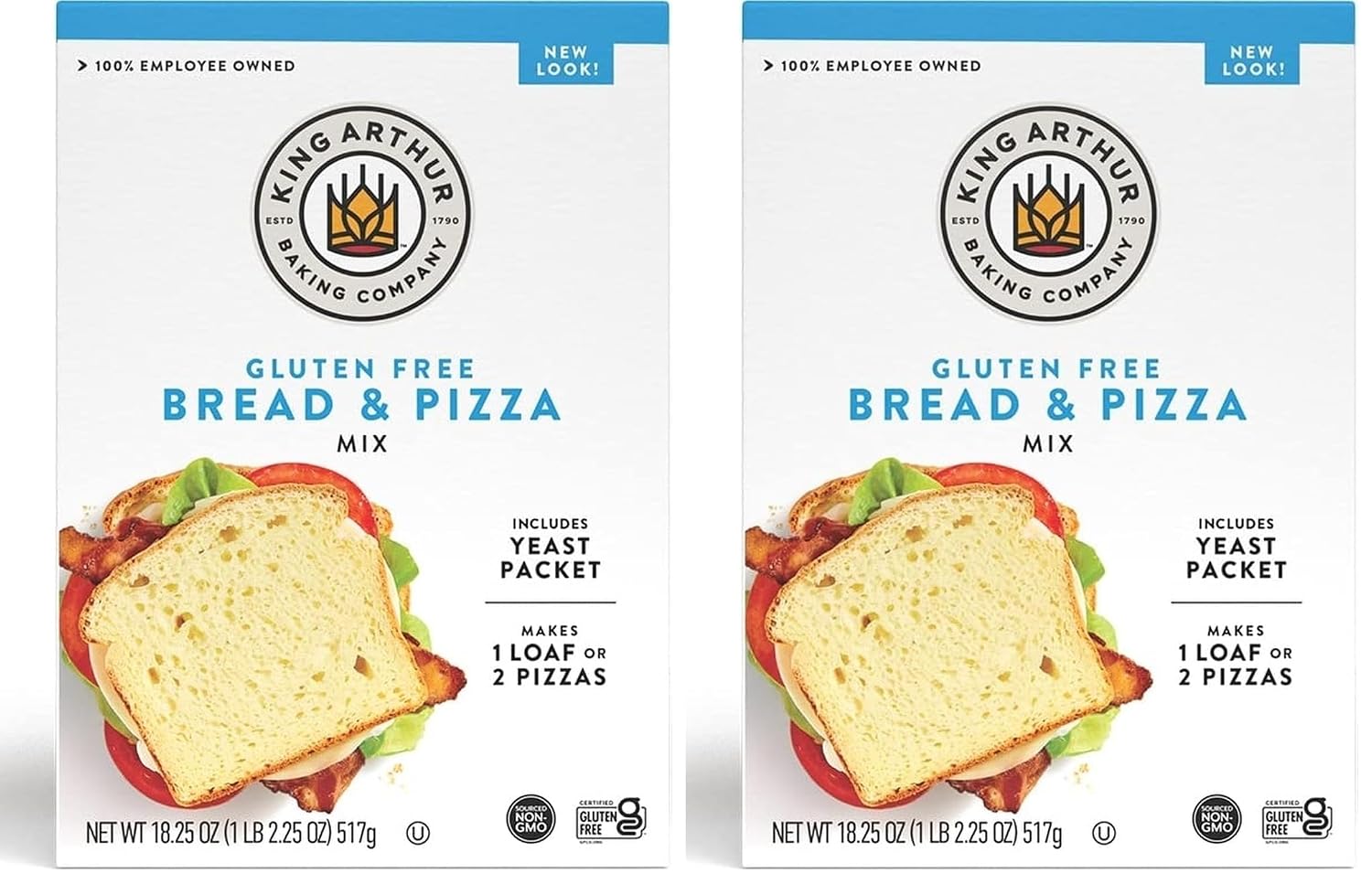
Many gluten-free baking mixes are formulated to be versatile, offering instructions on the package for both pizza dough and sandwich bread loaves. This dual-purpose design allows home bakers to use a single pantry product for multiple meal occasions, from morning toast to evening flatbreads. However, you must carefully follow the specific package instructions and liquid measurements for each recipe variation to achieve optimal results, as gluten-free structures require precise handling.
How should I store bulk flour and semolina to keep them fresh?
Bulk flour and semolina bags should be stored in cool, dry places away from direct sunlight and heat sources to maintain freshness. Many quality baking products come in resealable bags designed to protect contents from moisture and pantry pests. If your flour arrives in a standard paper bag, transferring the contents into an airtight container helps extend its shelf life. Always check that the container seals tightly before placing it back in your pantry.
What makes semolina flour useful when making homemade pizza?
Semolina flour is a coarse-ground flour made from high-protein durum wheat that provides structural strength and a distinct nutty flavor. When dusting a pizza peel or baking surface, its coarse texture prevents wet pizza dough from sticking, allowing the pie to slide smoothly onto a hot baking stone. Additionally, sprinkling semolina on the exterior of the dough adds an enjoyable crunch and a warm, pale yellow color to the finished crust.
Are low-carb pizza crust mixes difficult to prepare for beginner bakers?
Low-carb and keto pizza crust mixes are typically designed with straightforward preparation steps printed directly on the box, making them accessible for both novice and experienced bakers. These mixes streamline the measuring process by combining specialized dry ingredients, requiring you to add basic wet ingredients like water and oil. While the texture of low-carb dough differs from traditional wheat dough, following the box instructions helps ensure a consistent, manageable result.