Appliances · Buying Guide
Best Kitchen Aid Pizza Dough Tools and Stand Mixers for Bakers
Making homemade pizza starts with the right equipment to handle mixing, kneading, and slicing your dough efficiently. Whether you are preparing a simple weeknight meal or baking multiple pies for a family gathering, having reliable tools simplifies the entire process. From specialized cutters to high-capacity stand mixers, selecting the correct gear ensures consistent results every single time.
Home bakers often look for appliances and accessories that streamline preparation without requiring complex techniques or excessive cleanup. Exploring options designed specifically for dough handling helps you find items that match your kitchen space and baking frequency. Reviewing these selections allows you to build a practical setup tailored to your specific culinary preferences and routine.
As an Amazon Associate, StacyLaughs earns from qualifying purchases.
Buying guide
Motor Power and Torque
When selecting equipment to prepare pizza dough, motor power plays a vital role in handling dense, heavy mixtures without risking internal motor strain or unexpected overheating. Motors measured in higher wattage ratings or advanced direct current configurations provide the necessary rotational torque to knead stiff flour and water combinations effectively through extended mixing cycles without faltering or losing speed.
Choosing an appropriately rated motor ensures your countertop appliance lasts through repeated weekly baking sessions over many years. Without adequate torque, ordinary appliances can stall completely when facing thick gluten structures, making robust motor specifications an absolute priority for serious homemade pizza makers who want reliable, consistent dough development every single time they bake.
Bowl Capacity and Batch Size
Evaluating bowl capacity helps determine exactly how many pizza crusts you can prepare in a single mixing operation without running out of physical room inside the container. Larger bowls exceeding six quarts easily accommodate substantial flour quantities, water, and heavy ingredients, making them ideal for feeding large families, neighborhood gatherings, or hosting weekend pizza parties.
Smaller bowl capacities suit individual bakers or couples who only require a single pie at a time and prefer compact kitchen storage solutions. Matching the bowl volume to your typical recipe size prevents ingredient overcrowding and guarantees all components incorporate evenly during the active mixing process without making a messy spill.
Speed Settings and Control
Multiple speed settings provide the absolute precision required for different stages of baking, ranging from gentle ingredient folding to rapid whipping operations. A low starting speed prevents dry flour from clouding your kitchen when you first combine dry ingredients with liquids at the very start of your recipe preparation routine every single time.
Higher speeds offer the velocity needed for beating egg whites or incorporating wet elements smoothly into thick batter. Having a wide range of speed options ensures you can adapt your electric mixer effortlessly to delicate tasks and heavy doughs alike without ever losing control over overall dough consistency and texture.
Fermentation and Proofing Features
Temperature-controlled fermentation functions remove the guesswork from proofing yeast doughs for pizza and bread baking routines. Maintaining a stable internal environment allows gluten structures to develop properly and helps your dough rise evenly regardless of fluctuating ambient room conditions or seasonal temperature drops in your home kitchen space during the cold winter months.
Dedicated proofing boxes or built-in heating modes ensure reliable results during colder weather seasons when traditional home kitchens lack natural warmth. This specialized feature supports consistent baking schedules by creating optimal environmental conditions for reliable yeast activation before shaping your final pizza crust for the hot oven.
Blade Sharpness and Cutting Comfort
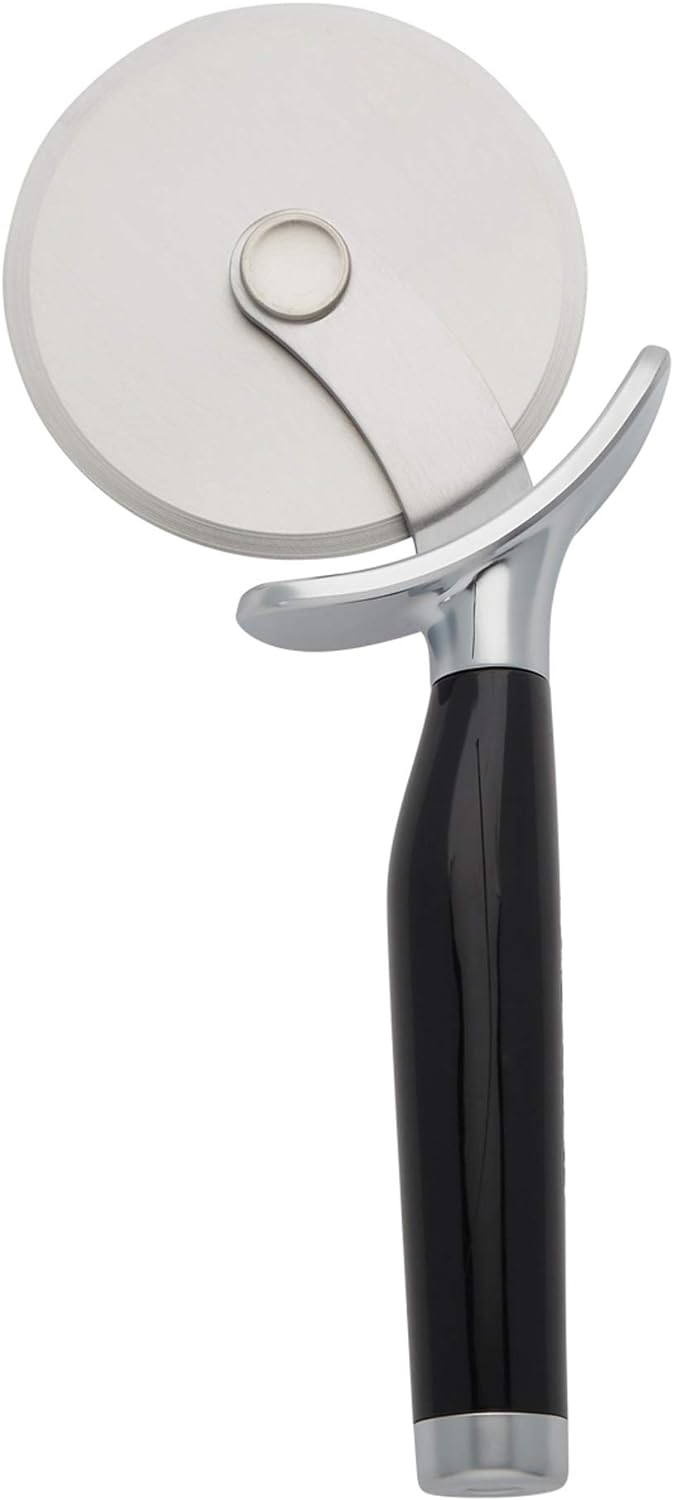
Cutting freshly baked pizza requires a sharp stainless steel blade that slices cleanly through crisp crusts without tearing toppings apart or dragging melted cheese across the surface area. An ergonomic angled wheel design improves mechanical leverage and keeps your hands safe from hot baking surfaces straight out of the hot oven every single time.
Built-in finger guards add an essential layer of physical protection during rapid slicing motions across multiple pies on the wooden cutting board. Choosing a dishwasher-safe cutter simplifies routine maintenance after serving homemade pizza to family and friends, ensuring quick cleanup without stubborn stuck food residues remaining on the stainless steel cutting blade.
Countertop Footprint and Stability
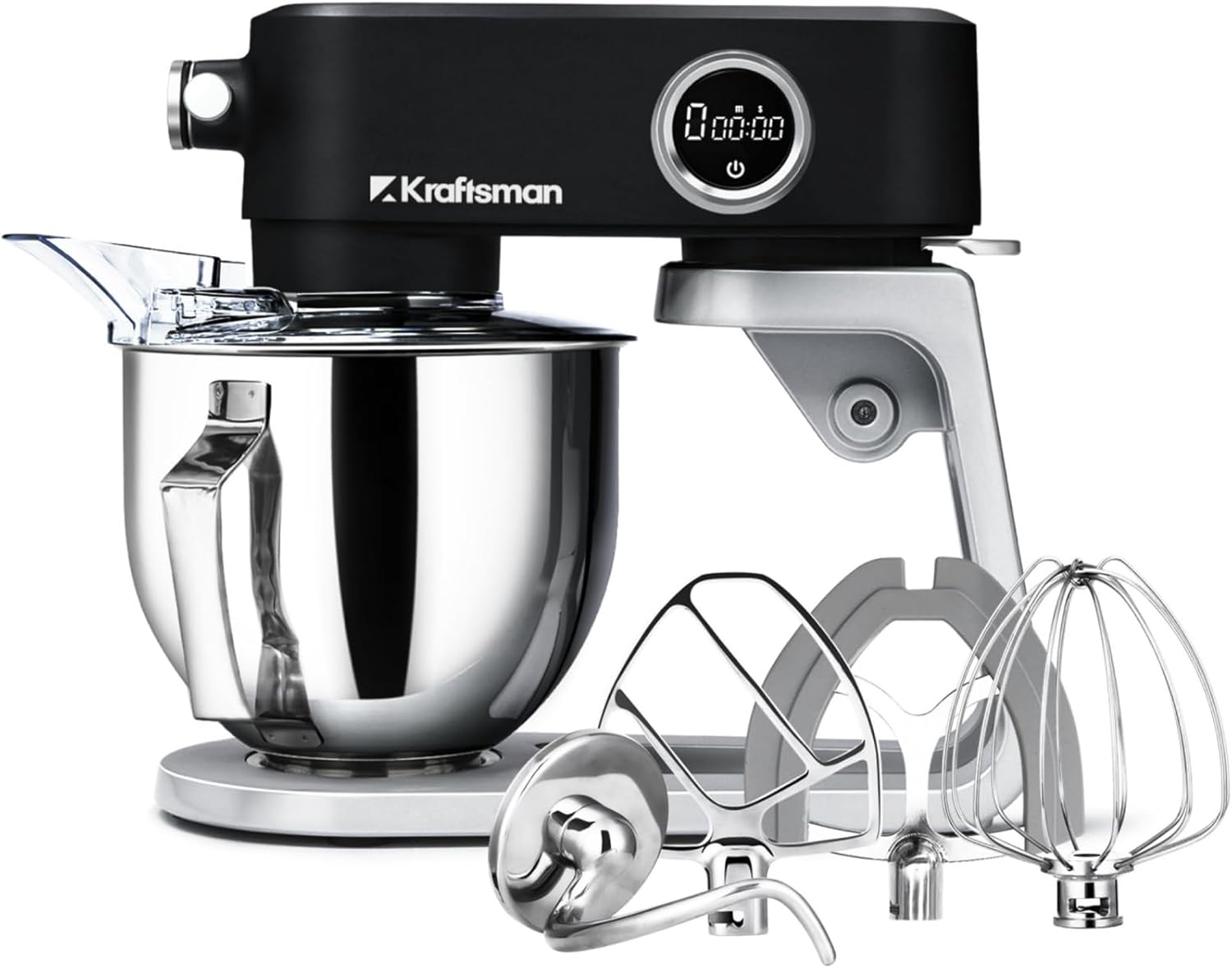
Heavy-duty mixers rely on solid metal bodies and rubber suction feet to remain completely stable when kneading stiff bread or pizza dough. A stable base prevents the electric appliance from walking or vibrating across the kitchen countertop during high-speed mixing tasks involving heavy flour loads and thick gluten networks every single time.
Balancing physical stability with counter space availability is crucial for effective kitchen organization in modern homes today. Heavy appliances offer exceptional durability and steady operation but require a permanent placement location rather than frequent lifting and storage in overhead kitchen cabinets between regular baking days. Careful planning ensures effortless daily workflow.
Frequently asked questions
Can standard stand mixers handle stiff pizza dough?
Yes, many stand mixers equipped with powerful motors and dedicated dough hooks are designed to knead stiff pizza dough efficiently. Motors ranging from 400 to 660 watts provide the necessary torque to work dense flour mixtures without stalling. However, it is important to match the batch size to the bowl capacity to prevent motor strain. Using a dough hook attachment ensures the gluten develops properly, resulting in a smooth, elastic ball of dough ready for shaping into your favorite homemade pizza crust.
What is the benefit of a temperature-controlled fermentation function?
A temperature-controlled fermentation function provides a stable and optimal environment for yeast to activate and multiply. Maintaining a consistent temperature between 77 and 100 degrees Fahrenheit eliminates the guesswork associated with ambient room temperature fluctuations during colder months. This controlled environment allows the dough to rise evenly, improving texture and flavor development. It simplifies the baking process by ensuring predictable proofing results every time you prepare yeast-based recipes like homemade bread or pizza crusts in your kitchen.
How do I clean and maintain a stainless steel pizza wheel?
Cleaning a stainless steel pizza wheel is straightforward because most quality models feature dishwasher-safe construction. Placing the wheel in the dishwasher ensures a thorough cleanup, removing any stuck-on cheese or sauce residues from the blade. For manual washing, warm soapy water and a sponge work effectively around the ergonomic handle and finger guard. Regular cleaning prevents rust formation on the 430 stainless steel blade, ensuring the cutting edge remains sharp and ready for slicing hot pizzas for years.
Why is bowl capacity important when making pizza dough for a crowd?
Bowl capacity determines the maximum amount of flour and water you can process at one time without spilling ingredients over the sides. When feeding a crowd or baking for a family gathering, a larger bowl holding six to seven quarts allows you to mix multiple batches simultaneously or handle larger single loaves. Smaller bowls require dividing recipes into multiple cycles, which increases preparation time. Selecting the right bowl size ensures efficient mixing and keeps your kitchen counters clean during heavy-duty baking projects.
What advantage does a DC motor offer in a stand mixer?
Direct current motors deliver superior energy efficiency and stronger torque compared to traditional alternating current motors, making them exceptionally capable of handling dense pizza dough. Additionally, DC motors operate with significantly lower noise levels, often staying at or below 68 decibels. This quiet performance allows you to bake early in the morning or late at night without disturbing the entire household. The enhanced torque also maintains consistent mixing speeds even when the bowl is loaded with heavy flour mixtures.