Appliances · Buying Guide
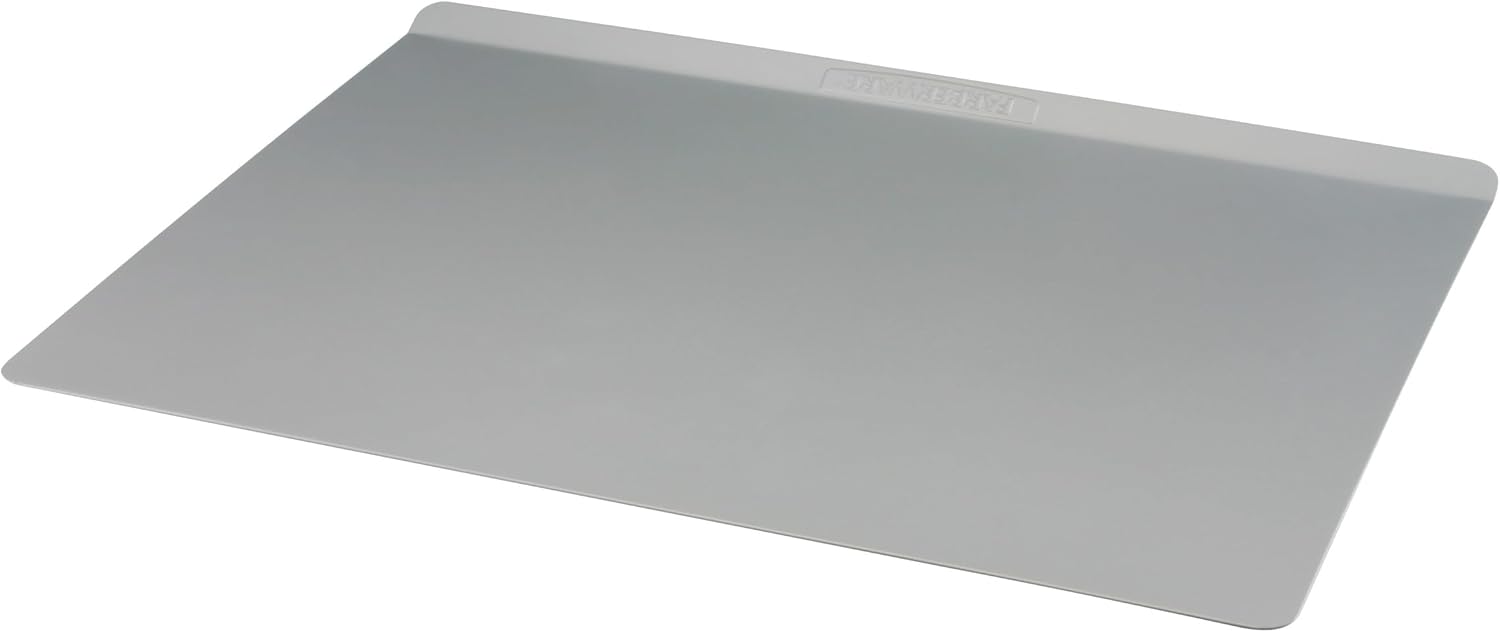
Best Large Cookie Baking Tray Options for Everyday Oven Baking
Finding the right large cookie baking tray makes it simple to prepare big batches of homemade baked goods, roasted vegetables, and weeknight sheet pan dinners all at once. Choosing an oversized pan helps maximize your oven space, letting you bake more food in a single round without overcrowding your ingredients and ensuring consistent heating across the entire surface.
Different materials, such as pure aluminum, carbon steel, and aluminized steel, offer unique heat conduction properties and surface finishes for your baking needs. Reviewing specific dimensions, rim designs, and cleaning requirements ensures you select a dependable tray that matches your preferred cooking techniques and daily kitchen routine without guesswork.
As an Amazon Associate, StacyLaughs earns from qualifying purchases.
Buying guide
Material Selection and Heat Conductivity
Choosing the appropriate material for your large baking tray significantly impacts how your food browns and bakes inside the oven cavity. Pure aluminum offers outstanding heat conductivity for uniform baking results across sweet treats and savory roasted vegetables alike. It responds quickly to temperature adjustments, making it a reliable favorite for home bakers seeking consistent browning without burnt edges.
Alternatively, aluminized steel successfully combines steel strength with aluminum warmth, while carbon steel provides sturdy durability for heavy daily use. Match your preferred metal option to your typical baking recipes, keeping in mind how each material handles heat distribution and resists warping over years of regular kitchen tasks.
Understanding Dimensions and Oven Fit
Before purchasing an extra large baking tray, carefully measure your oven interior and kitchen cabinet storage space to ensure a comfortable fit. Oversized pans provide wonderful surface area for bulk cookie baking and sheet pan dinners, but they require sufficient clearance to allow proper heat circulation around all edges during the entire baking cycle.
Always check the exact length and width specifications provided by the manufacturer, including any rim handles or rolled edges, to avoid unexpected clearance issues. A properly sized tray slides smoothly onto your oven racks without jamming against the back wall or side panels, protecting your appliance walls from scratches.
Nonstick Coatings versus Natural Surfaces
Deciding between a factory nonstick coating and a natural metal surface depends entirely on your personal baking preferences and daily kitchen cleanup habits. Modern nonstick surfaces allow delicate cookies and roasted foods to slide right off the tray without requiring extra butter, oil, or cooking sprays, greatly simplifying your everyday food release process.
Natural aluminum or metal surfaces offer long-term durability without any risk of peeling coatings over time, though they frequently benefit from parchment paper or silicone baking mats. Carefully consider how you prefer to prep your large trays before adding cookie dough, pastry items, or savory ingredients for family dinners.
Evaluating Rim Design and Structural Support
A fully rimmed border on a large baking tray serves multiple vital functions during food preparation and everyday baking tasks in your kitchen. High rims prevent messy juices, syrups, and savory sauces from spilling over onto your hot oven floor, keeping your appliance much cleaner during roasting tasks or juicy fruit dessert baking endeavors.
Additionally, reinforced rims add essential structural stability to prevent twisting and warping when exposed to high oven temperatures over repeated uses and washes. Look closely for encapsulated steel rims or heavy rolled edges if you want dependable performance from your heavy bakeware investment over the coming years.
Maintenance and Cleaning Guidelines
Proper maintenance helps preserve the lifespan and surface appearance of your baking trays over years of regular use in the home kitchen. While certain models feature dishwasher-safe designs for quick convenience, many manufacturers strongly recommend gentle hand washing to protect delicate nonstick coatings and prevent metal discoloration caused by harsh automated dishwasher cleaning detergents.
Always follow specific manufacturer care instructions provided for your chosen material to avoid damaging specialized finishes or insulated internal cavities with trapped moisture. Gentle scrubbing with warm soapy water usually keeps your trays thoroughly clean and properly conditioned for your next big baking project.
Special Features Like Racks and Insulation
Some advanced baking trays come equipped with helpful extras such as stainless steel cooling racks or specialized insulated air pocket designs. Including a matching wire rack allows you to elevate roasted meats, crispy bacon, or cool freshly baked cookies directly after removal from the hot oven cavity.
Meanwhile, double-wall insulated designs help prevent burnt bottoms by controlling heat transfer during delicate baking sessions. Consider carefully whether these specialized bonus features align with your specific recipe goals and everyday cooking habits before making a final purchasing decision.
Frequently asked questions
What is the benefit of an extra large baking sheet?
An extra large baking sheet provides significantly more surface area than a standard pan, allowing you to bake larger batches of cookies or prepare entire sheet pan dinners in a single round. This helps maximize your oven space and saves time when cooking for a large family or hosting gatherings. By accommodating more ingredients at once, you avoid overcrowding and ensure your food cooks efficiently without needing multiple successive rounds in the oven.
Should I use parchment paper with aluminum baking trays?
While pure aluminum baking trays offer excellent heat conductivity for even browning, uncoated metal surfaces lack a factory nonstick layer. Using parchment paper or silicone baking mats with these trays guarantees effortless food release and prevents sticky cookie dough or roasted vegetables from adhering to the metal. It also simplifies your post-baking cleanup routine, making it a popular practice among home bakers who want both reliable heat performance and quick cleanup.
Can I put my baking tray in the dishwasher?
Dishwasher compatibility depends entirely on the specific material and manufacturer recommendations for your baking tray. While certain carbon steel or nonstick pans permit dishwasher use, many aluminum and specialty coated trays require gentle hand washing with warm soapy water. Running aluminum pans through an automatic dishwasher can expose them to harsh detergents that cause permanent discoloration and surface pitting, so checking the care guidelines is always recommended.
What causes a baking sheet to warp in the oven?
Baking sheets often warp when subjected to sudden temperature changes or high heat if they lack adequate structural support. Thin metal pans expand unevenly as they heat up, causing them to twist and pop inside the oven. To prevent this issue, look for baking trays featuring reinforced encapsulated steel rims, heavy rolled edges, or heavy-gauge metal construction designed to withstand high temperatures and maintain their flat shape through repeated baking cycles.
How do insulated air cookie sheets work?
Insulated air cookie sheets feature a double-wall construction with an internal air pocket between the metal layers. This layer of air acts as a thermal buffer, slowing down heat transfer to the bottom of your cookies. By preventing direct, intense heat from reaching the dough too quickly, insulated trays protect sensitive baked goods from burning on the bottom while ensuring gentle, even browning across the entire batch of cookies.