Appliances · Buying Guide
Best Large Glass Measuring Cup Options for Everyday Kitchen Prep
Choosing the right measuring vessel transforms how you handle baking recipes, large family dinners, and daily meal preparation. Glass options provide a sturdy, nonporous surface that handles hot liquids and cold ingredients without retaining stubborn food odors or stains. Whether you need a modest container for daily liquids or a massive bowl for mixing heavy batters, durable glass tools remain essential mainstays in home and professional kitchens alike.
Navigating the options requires looking closely at capacity, measurement markings, and physical dimensions to match your exact cooking style. Some models focus on high-capacity volume for massive batches, while others prioritize compact sizing and multi-unit scales. Examining handle designs and spout shapes helps ensure you can pour thick liquids or hot broths smoothly without making a mess on your countertop.
As an Amazon Associate, StacyLaughs earns from qualifying purchases.
Buying guide
Capacity Requirements
Selecting the correct capacity ensures your glass measuring vessel handles everyday cooking tasks without risking messy overflows. Smaller options around four cups perfectly suit standard baking recipes, mixing pancake batters, and moderate liquid measuring needs. If you regularly prepare double batches, large family meals, or bulky stocks, choosing an eight-cup model provides the necessary volume to contain all ingredients safely during active mixing.
Matching container size to your typical batch volume prevents unnecessary kitchen clutter and time-consuming division steps. Buying a vessel that is too large makes measuring tiny liquid drops difficult, while an undersized cup forces you to divide ingredients into multiple rounds, ultimately increasing your overall cleanup workload.
Glass Material Types
Glass material selection directly impacts how well your measuring tool withstands thermal shock and heavy daily wear. Standard tempered glass offers solid durability for general heating and cooling applications in typical home kitchens. High borosilicate glass provides advanced resistance to extreme temperature fluctuations, making it a reliable choice for rapid transitions between hot cooking environments and cold storage areas.
Nonporous glass surfaces effectively prevent food odors, oils, flavors, and stubborn stains from lingering after thorough washing cycles. This hygienic quality ensures your sweet baking mixtures do not absorb savory residues from previous cooking projects, keeping every subsequent recipe tasting clean, authentic, and free from cross-contamination.
Measurement Markings
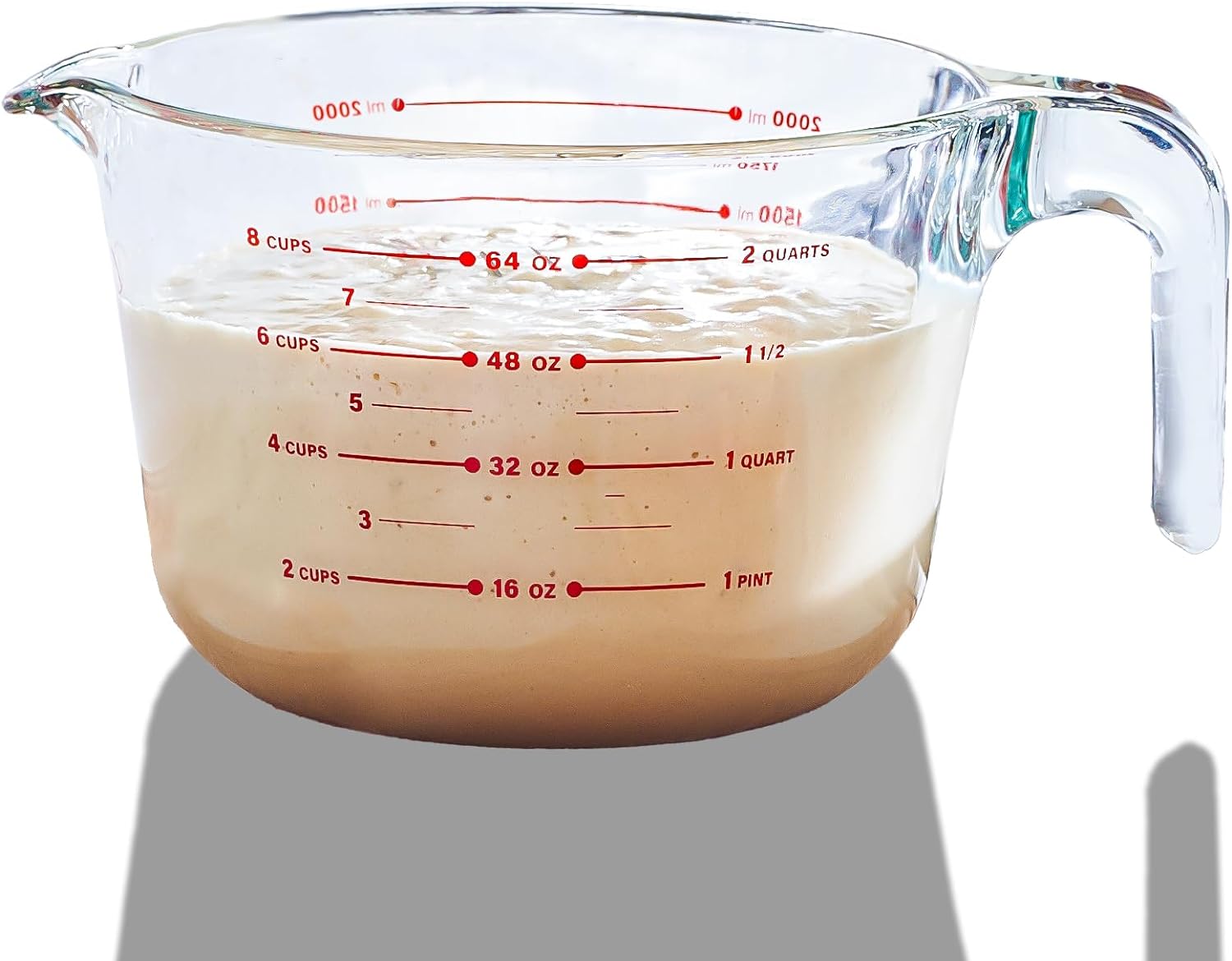
Clear measurement markings are essential for maintaining recipe accuracy and preventing cooking mistakes during busy meal preparations. Look for high-contrast printed lines or permanent embossed graduations that remain completely legible when dense liquids are poured inside the vessel. Multiple unit scales covering cups, milliliters, and ounces make it much easier to follow international recipes without performing manual conversions.
Faded or poorly contrasted markings slow down your preparation process and introduce costly measuring errors. Choosing vessels with bold, distinct numbers ensures quick visibility at a glance, keeping your cooking rhythm smooth, accurate, and efficient from start to finish. Checking scale placement helps ensure readability from multiple viewing angles.
Handle Ergonomics
A comfortable, secure handle transforms how safely you can lift and maneuver a heavy glass measuring vessel across the busy kitchen. Ergonomic designs distribute the heavy liquid weight evenly across your hand, significantly reducing wrist strain when dealing with dense mixtures. Insulated or thick handle profiles provide a reliable grip during high-temperature heating tasks.
Poorly designed handles can cause dangerous slippage or awkward wrist angles when pouring heavy volumes into mixing bowls. Testing the grip clearance helps ensure your fingers fit comfortably without touching the hot exterior walls of the glass container during microwave reheating or oven removal. Proper clearance is vital for safety and control.
Spout Design
Spout design directly dictates whether your glass measuring cup delivers a clean pour or leaves messy drips trailing down the outer wall. Curved or V-shaped spouts streamline fluid dynamics, guiding liquids smoothly into narrow mixing bowls and pans. Anti-drip engineering prevents sticky puddles from forming on your clean countertop during fast-paced recipe preparation sessions.
Poorly formed spouts often cause pouring streams to spread out or run down the exterior side of the glass container instead of projecting cleanly forward. Selecting a model with a distinct, precision-molded pouring lip ensures accurate liquid transfer for thin broths and thick pancake batters alike without unexpected spills occurring across your busy workspace.
Thermal Safety Ratings
Thermal safety ratings determine how versatile your glass measuring vessel can be across different kitchen cooking appliances and baking tasks. Models approved for preheated ovens, microwaves, and freezers allow you to melt butter, heat milk, and freeze stocks in the exact same container. Checking stated temperature limits prevents accidental thermal cracking during heavy daily use.
Understanding manufacturer guidelines regarding maximum heat thresholds keeps your sturdy glassware intact during intense cooking tasks. Following proper cooling procedures avoids sudden thermal shock when moving glass containers from hot ovens to cool countertops, ensuring long-term durability and reliable daily performance in your home kitchen without unexpected structural failures.
Frequently asked questions
Can I put a glass measuring cup directly into a preheated oven?
Many glass measuring cups are rated for use in preheated ovens, but you must always check the specific manufacturer guidelines for your exact model. Tempered and borosilicate glass options typically withstand baking temperatures safely up to stated limits, but sudden temperature shifts can cause thermal shock. Always place the glass vessel onto a stable surface or baking sheet rather than exposing it to direct flame or sudden drastic environment changes to protect the structural integrity of the container.
How do I prevent liquid from dripping down the side of the cup when pouring?
Preventing drips relies heavily on utilizing the molded spout design correctly and pouring at a steady, confident pace. Hesitant or slow pouring allows liquid to cling to the outer wall of the glass rather than projecting cleanly into your mixing bowl. Choosing models equipped with V-shaped or curved anti-drip spouts significantly improves fluid control. Additionally, wiping the lip after each pour and avoiding overfilling the brim helps maintain a clean workspace without sticky messes.
Are glass measuring cups safe to clean in the dishwasher?
Most glass measuring vessels are labeled dishwasher safe, allowing for convenient cleanup after messy baking projects. However, placing them securely in the dishwasher rack prevents clashing against heavy pots and pans that might cause chipping or scratching over time. High-quality tempered and borosilicate glass maintains its optical clarity and smooth surface through regular dishwasher cycles, but avoiding harsh abrasive detergents helps preserve the printed measurement markings for long-term readability.
What is the difference between tempered glass and borosilicate glass in measuring cups?
Tempered glass undergoes a specialized heating and rapid cooling process that increases its mechanical strength, making it highly durable for everyday kitchen impacts and standard thermal changes. Borosilicate glass contains boron trioxide, which provides a very low coefficient of thermal expansion. This chemical composition allows borosilicate glass to withstand extreme temperature shifts without cracking, making it exceptionally resilient when transitioning rapidly between very hot and very cold ingredients during complex recipe preparation.
Why are measurement markings sometimes printed in multiple units like cups, ounces, and milliliters?
Providing multiple unit scales inside a single measuring vessel allows you to follow diverse recipes from various regions without needing conversion charts. Whether a baking recipe calls for metric milliliters, imperial fluid ounces, or standard volume cups, having clear graduation lines streamlines your preparation process. This multi-scale approach eliminates guesswork, reduces the number of separate tools you need to wash, and ensures precise ingredient ratios for successful cooking outcomes every single time.