Appliances · Buying Guide
Best Large Plastic Mixing Bowl Options for Everyday Kitchen Prep
Choosing a large plastic mixing bowl for your kitchen depends on the specific capacities and features you need for daily food preparation tasks. These bowls handle everything from tossing large party salads to mixing heavy batches of cookie dough. Manufacturers construct these kitchen tools from durable plastics, often incorporating practical elements like non-skid bases, fitted lids, and integrated pour spouts to streamline your cooking and baking workflows.
Evaluating different bowl sizes, materials, and designs helps you find the right match for your storage space and culinary routine. Whether you prefer a single high-capacity container with a lid or a nested multi-piece set for varied ingredient quantities, understanding the exact physical attributes ensures you select a reliable helper. Reviewing the specific dimensions and cleaning instructions guarantees proper daily maintenance in your home kitchen.
As an Amazon Associate, StacyLaughs earns from qualifying purchases.
Buying guide
Evaluating Total Bowl Capacity
Selecting the right capacity ensures your large plastic mixing bowl handles everything from small dressings to massive party salads without overcrowding your ingredients. Smaller 1.5-quart or 2.5-quart sizes work well for quick whisking tasks and liquid dressings, while 5-quart models handle standard baking needs and dough mixing comfortably. Choosing the right volume keeps daily kitchen prep work clean and efficient.
For larger family gatherings or extensive meal prep sessions, 8-quart options provide ample room to combine ingredients thoroughly without accidental spills over the rim. Matching your typical batch sizes to the appropriate bowl capacity prevents kitchen bottlenecks and ensures smooth food preparation every time you cook or bake at home.
Understanding Material and Safety Standards
Kitchen bowls constructed from food-grade plastic offer a lightweight yet remarkably sturdy alternative to heavy ceramic or glass counterparts. Many modern models feature BPA-free compositions, giving you reassurance during daily food contact and ingredient preparation tasks. Plastic materials resist shattering if accidentally dropped onto hard kitchen floors, making them practical for busy households.
Evaluating the specific plastic grade ensures your mixing containers withstand regular use without degrading over time. Smooth interior finishes prevent food particles from clinging to the walls, which supports thorough cleaning routines. Selecting trusted food-safe polymers guarantees that your mixing bowls remain reliable kitchen companions for years of baking and cooking adventures.
Assessing Stability and Non-Skid Bases
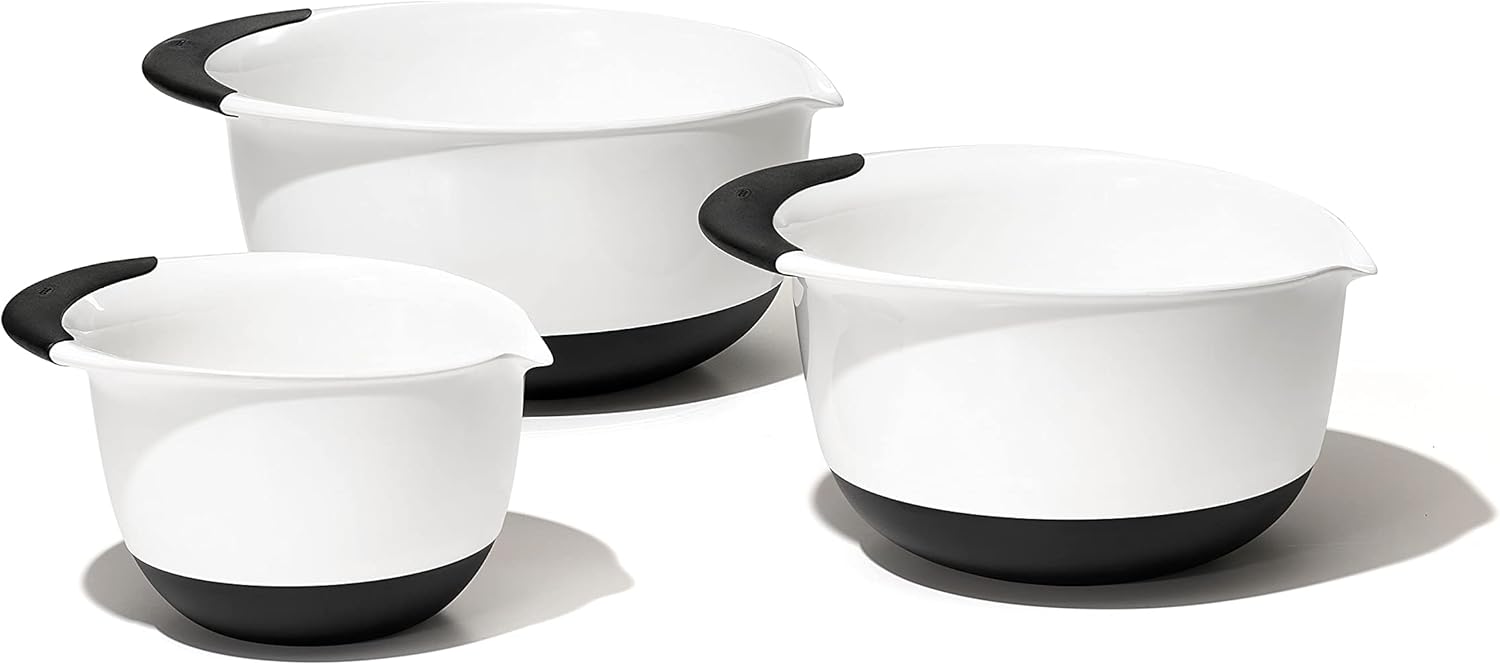
Stability during active stirring is essential when working with heavy doughs or running electric mixers inside your mixing bowls. Models equipped with non-skid rubberized bottoms stay firmly planted on countertops, even when the container is positioned at an angle. This added traction prevents unwanted sliding and creeping during vigorous culinary tasks.
A stable base reduces physical strain on your arms by letting you focus entirely on mixing rather than holding the bowl in place with your free hand. Whether you are whisking vigorously by hand or blending heavy ingredients at high speeds, these non-skid features improve overall kitchen safety and working comfort during long food preparation sessions.
Utilizing Pour Spouts and Integrated Channels
Pour spouts built directly into the rim of a mixing bowl transform how you transfer liquid batters and mixtures into pans or baking dishes. These integrated channels guide liquid flow smoothly, drastically reducing drips and messy countertop spills compared to standard rounded bowl rims. This simple design addition improves kitchen cleanliness during baking.
When preparing pancake batter or cake mixes, having a dedicated pouring spout saves time and eliminates the need for extra kitchen utensils. While not every bowl includes this feature, selecting models with built-in pour spouts streamlines your workflow whenever your recipe requires moving liquid ingredients from the mixing container into secondary vessels.
Managing Cabinet Storage and Nesting Design
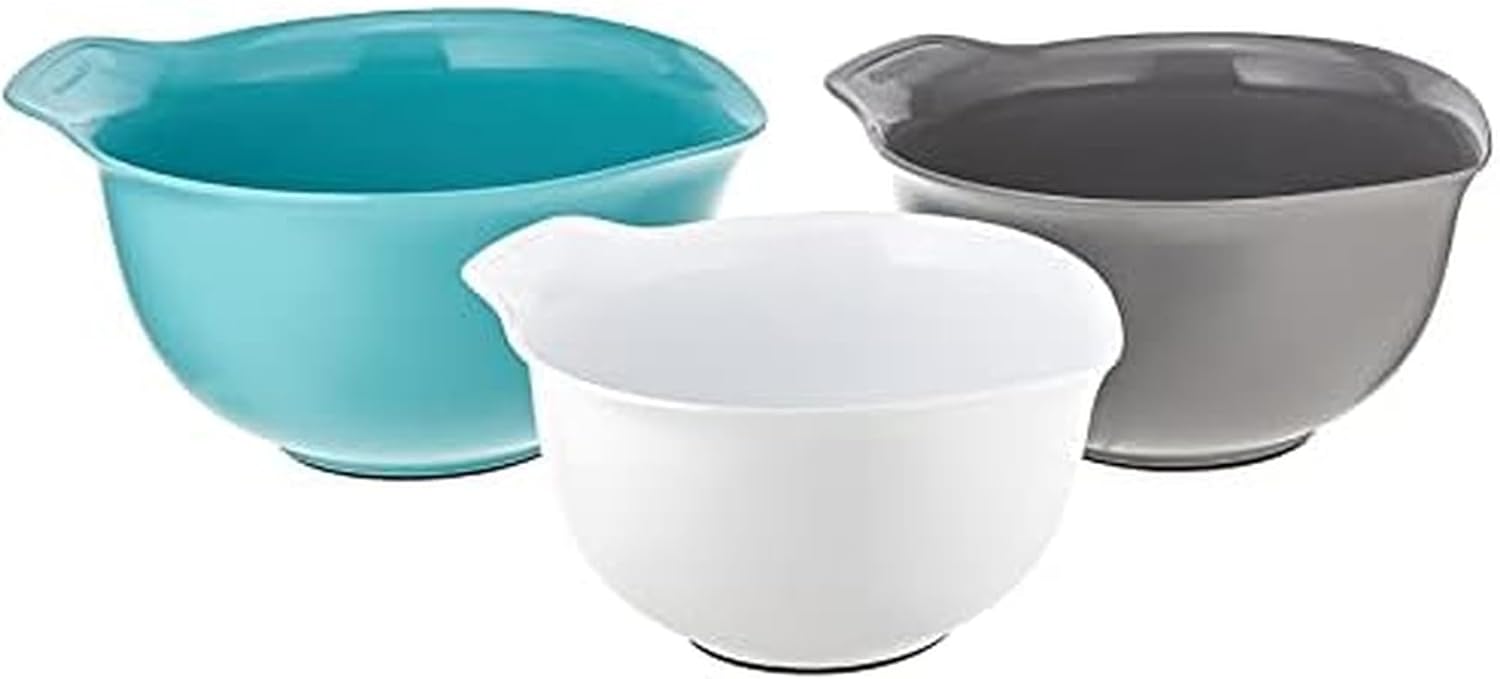
Efficient kitchen storage requires careful consideration of how your large mixing bowls fit inside your kitchen cabinets when they are not actively in use. Nesting designs allow smaller bowls to slide neatly inside larger containers, creating a compact single stack that frees up valuable shelf space for other essential cookware items and appliances.
Evaluating the overall dimensions of both individual bowls and complete sets ensures they clear your cabinet door frames and vertical shelf heights easily. Whether you store your bowls vertically or stack a multi-piece set together, prioritizing a nesting structure keeps your kitchen organized and prevents cluttered workspaces in smaller domestic cooking environments.
Reviewing Cleaning and Maintenance Guidelines
Maintaining your plastic mixing bowls properly ensures they stay hygienic and ready for your next culinary creation. Many food-grade plastic bowls feature dishwasher-safe construction, allowing you to place them directly on machine racks for effortless cleanup after preparing heavy meals or complex baking projects. Following these care guidelines preserves the plastic finish over time.
Hand washing remains a reliable alternative when dealing with stubborn residues or when following specific manufacturer care instructions for specialized lids or textured parts. Choosing bowls with smooth interior surfaces prevents food from sticking tightly, making both dishwasher cycles and manual scrubbing quick and straightforward tasks for any home cook.
Frequently asked questions
Are plastic mixing bowls safe for dishwasher cleaning?
Most plastic mixing bowls featured in this guide are designated as dishwasher safe by their respective manufacturers, allowing you to place them directly into the machine for effortless cleanup after food preparation. However, you should always verify the specific product care instructions, as certain fitted lids or specialized components might require hand washing only. Using appropriate dishwasher settings helps prevent warping and maintains the integrity of the food-grade plastic materials over extended periods of regular kitchen use.
Do large plastic mixing bowls include non-skid bases?
Certain models, particularly those designed with rubberized rings or specialized bottom grips, offer non-skid surfaces that stabilize the bowl during active stirring or tilting. Brands like OXO and KitchenAid incorporate these stabilizing bases into specific bowls to prevent slipping on countertops during vigorous mixing tasks. Conversely, other standalone bowls rely entirely on their lightweight plastic structure and wide footprint rather than a rubberized grip, so reviewing individual specifications helps identify which options provide enhanced counter stability.
Can I store food in mixing bowls using fitted lids?
Selected mixing bowl options come equipped with fitted lids designed to keep contents fresh and simplify refrigerator or pantry storage. Models that include these covers allow you to mix, serve, and store food inside the exact same container without transferring contents into secondary storage vessels. However, many standard mixing bowls are sold without lids, requiring you to use plastic wrap or separate containers if you need to store leftover ingredients securely in your refrigerator.
How do pour spouts help during kitchen preparation?
Pour spouts integrated into the rim of a mixing bowl provide a dedicated channel that guides liquid mixtures smoothly into baking pans or other containers. This helpful feature significantly reduces messy drips and accidental spills compared to standard rounded bowl edges, making it much easier to transfer pancake batters, cake mixes, or dressings cleanly. While not all bowls feature integrated spouts, they offer a clear advantage whenever your cooking and baking tasks require precise liquid pouring.
What is the advantage of a nesting bowl set?
Nesting bowl sets allow multiple graduated sizes to fit compactly inside one another, creating a single organized stack that saves valuable cabinet storage space. Instead of taking up separate shelves with individual bowls, a nested set keeps your kitchen tidy and ensures you always have the right size nearby for varying ingredient quantities. This design approach combines the versatility of multiple capacities with the convenience of minimal storage footprints in domestic kitchens.