Appliances · Buying Guide
Best Large Pyrex Measuring Cup Options for Baking and Cooking
Finding the right measuring tool for baking, cooking, and mixing can significantly simplify daily kitchen tasks. Large glass measuring cups provide ample capacity for blending batters, preparing stocks, heating liquids, and handling multi-cup recipes without requiring multiple smaller measurement transfers. Choosing the correct vessel ensures accuracy and efficiency during food preparation.
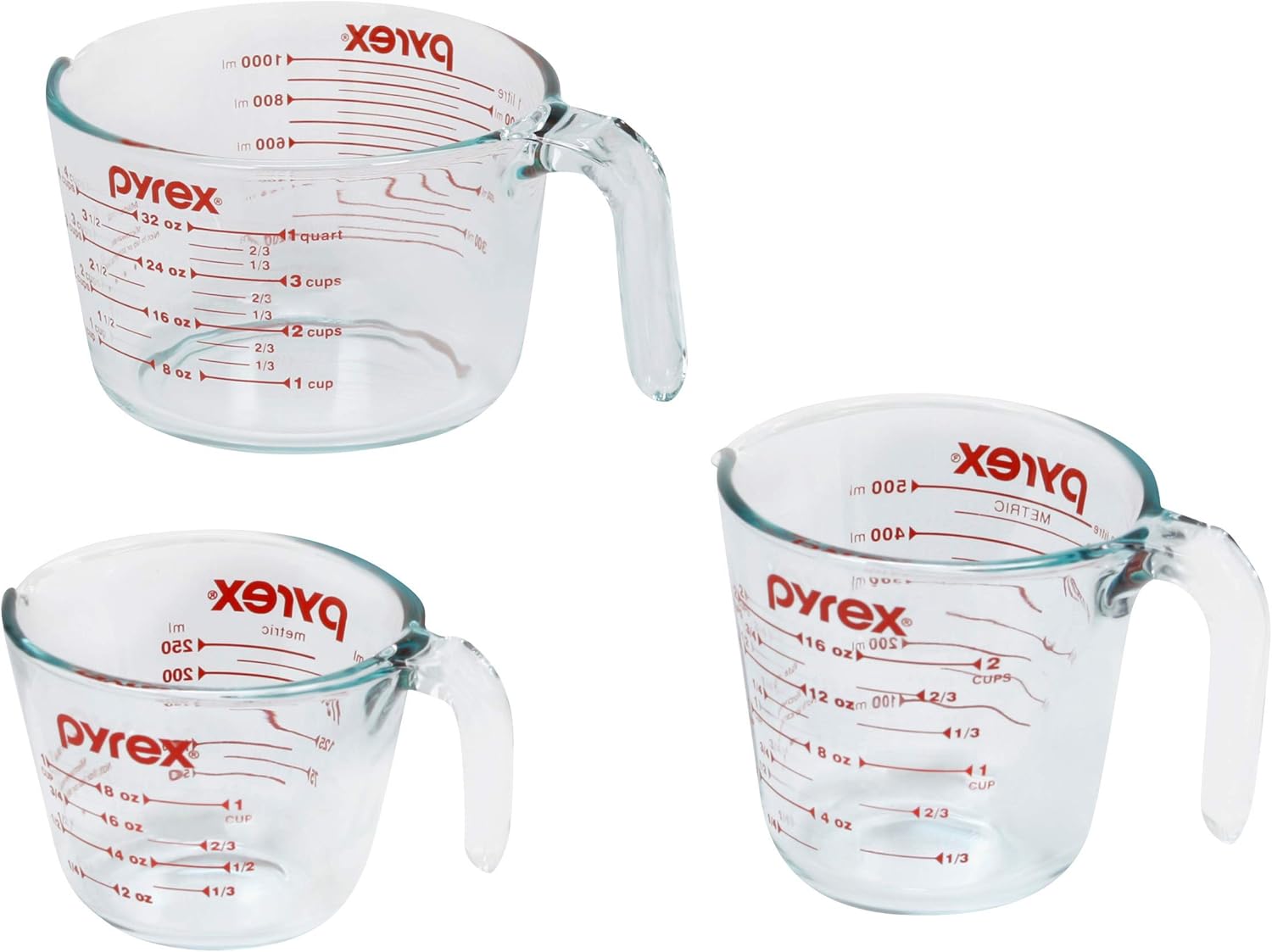
Manufacturers offer various practical configurations, ranging from single 4-cup vessels to comprehensive multi-piece sets and extra-large 8-cup options designed for heavy-duty tasks. Reviewing specific capacities, durable glass materials, and ergonomic handle designs helps match a glass measuring cup to your everyday cooking routine and recipe requirements. These options support both home kitchens and professional environments.
As an Amazon Associate, StacyLaughs earns from qualifying purchases.
Buying guide
Selecting the Right Capacity
Choosing the correct capacity for a glass measuring cup depends entirely on your typical recipes and household size. Standard home cooking often relies on one-quart or four-cup vessels, which handle everyday baking needs like mixing pancake batter or measuring cooking liquids. These mid-sized options balance sufficient volume with manageable weight during frequent pouring tasks.
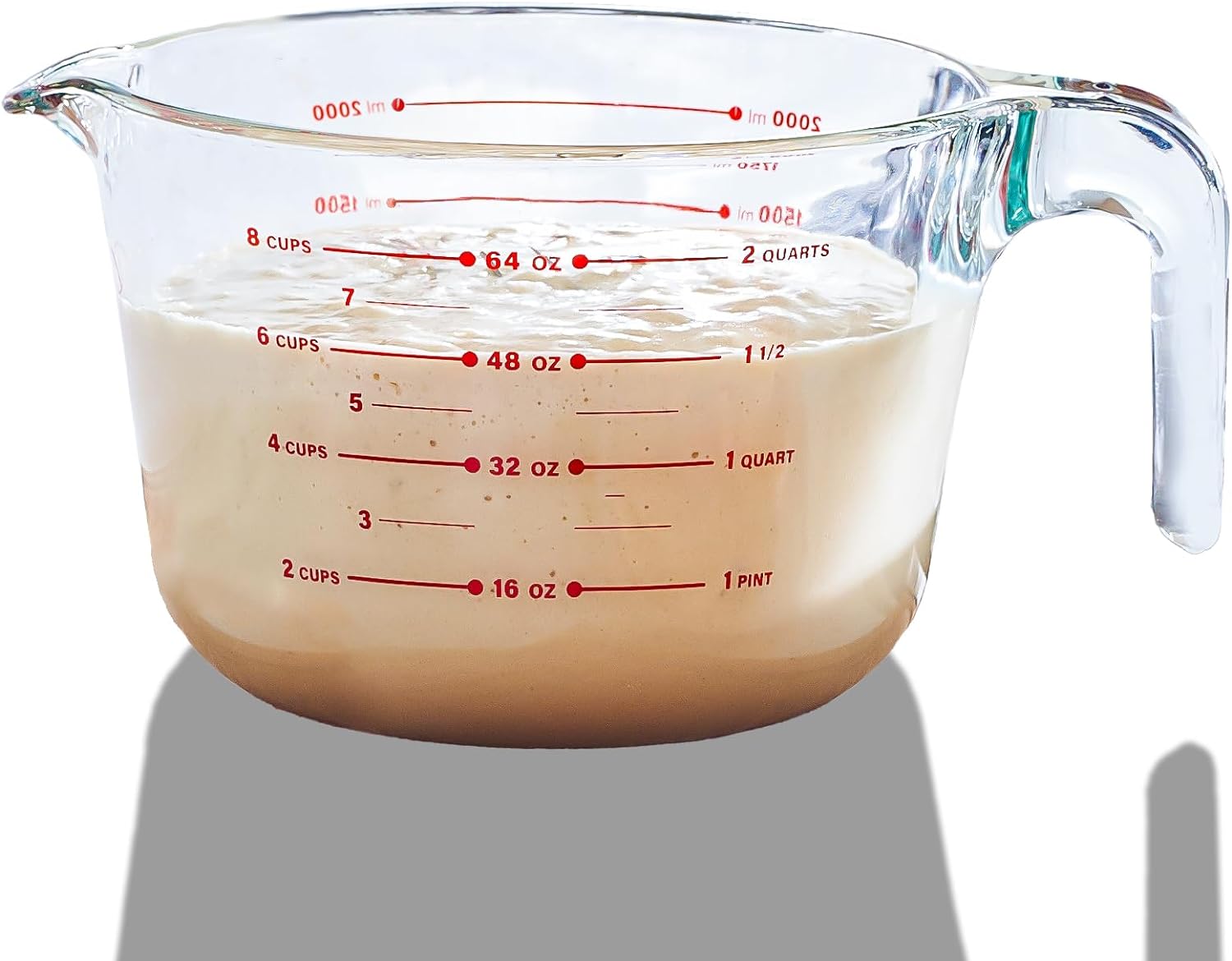
Larger eight-cup vessels serve high-volume baking, commercial kitchens, and large family meals. While extra-large capacities eliminate the need to measure ingredients in multiple batches, they also add significant physical heft and storage bulk. Assessing your standard recipe sizes ensures you select a measuring cup that provides enough volume without creating unnecessary handling difficulties in small kitchens.
Material Durability and Glass Types
Glass measuring cups feature specialized materials designed to endure varying kitchen temperatures. Tempered glass and borosilicate glass represent common choices, offering strong resistance to thermal shock. Borosilicate glass handles extreme temperature shifts particularly well, making it suitable for transitioning between hot liquids and cold environments. Both glass types maintain clear visibility and resist staining over years of frequent use.
Nonporous glass surfaces ensure that ingredients do not leave lingering odors, flavors, or discoloration behind after washing. This hygienic quality makes glass superior to plastic alternatives for handling acidic liquids, tomato sauces, and melted butter. Reviewing the specific glass type helps buyers choose a vessel capable of withstanding heavy daily use in busy cooking environments.
Temperature Compatibility and Heating
Many glass measuring cups provide multi-surface utility by supporting microwave, freezer, and preheated oven use. This versatility allows cooks to melt butter, warm liquids, or chill mixtures directly inside the measuring vessel rather than dirtying extra bowls. Verifying temperature ratings ensures the glassware safely accommodates thermal adjustments during complex baking and cooking procedures without cracking.
Freezer safety lets users prep ingredients ahead of time and store them securely within the same container. When transferring glassware from cold storage to heat sources, following manufacturer guidelines prevents thermal stress. Selecting a cup with broad temperature compatibility streamlines food preparation steps and reduces the total number of dishes required for a recipe.
Handle Design and Pouring Spouts
Ergonomic handles and well-designed pour spouts play a critical role in measuring cup usability. A comfortable, easy-grip handle provides secure control when lifting heavy, liquid-filled vessels. Curved or anti-drip spouts direct the flow of milk, batter, or broth precisely into mixing bowls, minimizing messy drips on countertops and reducing spills during high-volume pouring tasks.
Large capacity cups require especially robust handle placement to support the increased weight of full contents. Inspecting handle dimensions ensures your hand can maintain a firm, stable grip. Combining a supportive handle with a precision spout transforms a basic glass container into a reliable, mess-free tool for daily cooking and baking operations.
Measurement Markings and Readability
Clear, easy-to-read measurement markings are essential for maintaining recipe accuracy. Bold lettering in both ounces and milliliters allows cooks to measure ingredients quickly without squinting or second-guessing lines. High-contrast markings, whether printed in red or bold black, remain visible through various liquids, supporting precise measuring during fast-paced cooking sessions.
Over time, durable measurement markings resist fading from frequent dishwasher cycles and scrubbing. Choosing a measuring cup with well-defined lines prevents reading errors that could alter baking chemistry. Clear calibrations ensure reliable performance whether you are measuring small quantities of water or large volumes of flour and milk.
Storage Footprint and Cabinet Fit
Physical dimensions and storage requirements deserve careful consideration before purchasing a glass measuring cup. Larger capacities, such as eight-cup vessels, take up substantial shelf space and may not fit standard shallow cabinets. Measuring your available storage space helps prevent unexpected crowding in kitchen pantries and cupboards.
Multi-piece sets offer nesting capabilities that save horizontal storage space by stacking smaller cups inside larger ones. However, total set height and weight still require dedicated space. Evaluating your kitchen layout ensures you choose a measuring tool configuration that stores easily without causing clutter.
Frequently asked questions
Can large glass measuring cups go directly into the microwave?
Yes, many large glass measuring cups featuring tempered or borosilicate glass are rated safe for microwave use. This feature allows you to melt butter, warm milk, or heat liquids directly inside the measuring vessel, eliminating the need for extra bowls. Always check the specific product specifications to confirm microwave compatibility before heating. Using microwave-safe glassware streamlines baking preparation, though you should handle heated glass with appropriate mitts due to thermal transfer from hot contents.
Are glass measuring cups safe for use in preheated ovens?
Certain glass measuring cups are designed to withstand preheated oven temperatures, offering exceptional versatility for baking and cooking tasks. However, sudden extreme temperature changes can cause thermal shock, so it is important to follow manufacturer guidelines regarding preheating limits. Avoid placing cold glass directly onto hot oven surfaces or introducing freezing liquids into a hot vessel. Verifying the item's safety rating ensures you can bake or warm ingredients safely without risking damage to the glassware.
How do I clean and maintain glass measuring cups?
Most glass measuring cups feature dishwasher-safe construction, allowing for convenient cleanup after messy baking projects. You can also wash them by hand using warm water and mild dish soap with a non-abrasive sponge to protect the glass finish and measurement markings. Avoid using harsh metal scouring pads that could scratch the surface or wear down printed volume lines over time. Proper cleaning maintains the glass clarity and ensures the measurement markings remain clearly legible.
What is the difference between 4-cup and 8-cup measuring cups?
The primary difference lies in their total volume capacity and physical footprint. A 4-cup measuring cup holds 32 fluid ounces, making it ideal for standard baking recipes and everyday kitchen tasks. An 8-cup measuring cup holds 64 fluid ounces or two quarts, catering to high-volume commercial cooking, large family meals, and heavy mixing batches. While 8-cup models offer extra capacity, they also feature larger physical dimensions and heavier empty weights that require two hands when fully loaded.
Do glass measuring cups absorb food odors or stains?
High-quality tempered and borosilicate glass materials are nonporous, meaning they do not absorb food odors, flavors, or stains during regular use. This hygienic nonporous quality ensures that measuring acidic ingredients like tomato juice or strong-smelling liquids will not permanently discolor or alter the interior surface. Consequently, you can transition between sweet baking ingredients and savory cooking broths without lingering tastes transferring between recipes, keeping your glassware fresh and neutral over time.