Appliances · Buying Guide
Best Loaf Pan for Sourdough Bread Baking Options
Baking artisan loaves at home requires equipment that can handle high heat and trap steam effectively. Cast iron options offer sturdy construction and reliable thermal properties for homemade sourdough, ensuring your dough rises evenly while developing a deeply crisp crust. Choosing the correct vessel helps achieve professional-quality results right in your standard kitchen oven.
Selecting the right baking vessel depends on your specific size preferences, capacity needs, and maintenance habits. These selected options provide versatile designs, ranging from classic pre-seasoned iron requiring manual oiling to smooth enameled finishes that simplify cleanup. Reviewing their physical dimensions and unique features ensures you find a reliable match for your daily baking routines.
As an Amazon Associate, StacyLaughs earns from qualifying purchases.
Buying guide
Material Selection for Sourdough Baking
Choosing the right material forms the foundation of successful sourdough baking. Cast iron remains a top choice because it retains heat exceptionally well and transfers it steadily to your dough. This thermal mass helps replicate professional brick-oven environments, promoting a strong initial oven spring. Bare cast iron requires seasoning maintenance, while enameled options offer easier cleanup routines for everyday users.
When evaluating your options, consider how much time you want to spend on maintenance. Seasoned iron builds a natural non-stick surface over months of use, rewarding careful upkeep. Enameled surfaces resist sticking immediately without requiring oil coats, though they demand careful handling to prevent chipping. Matching your material preference to your kitchen routine ensures long-term satisfaction with your baking equipment choice.
Capacity and Dimensions
Loaf pan dimensions dictate the shape and volume of your finished sourdough. Standard 9x5 inch pans accommodate typical family-sized recipes comfortably. Larger 11x5 inch models provide extra room for extended sandwich loaves or higher-hydration doughs that need horizontal expansion space. Reviewing your standard recipe batch sizes ensures you select a pan that neither crowds the dough nor leaves excessive empty space.
Exterior dimensions also impact how the pan fits inside your home oven and storage cabinets. Cast iron vessels with integrated handles or stackable lids take up more vertical and horizontal clearance. Measuring your oven racks and cabinet shelves beforehand prevents storage frustrations. Balancing pan capacity with your kitchen spatial limits guarantees smooth handling during every baking session.
Steam Retention and Crust Development
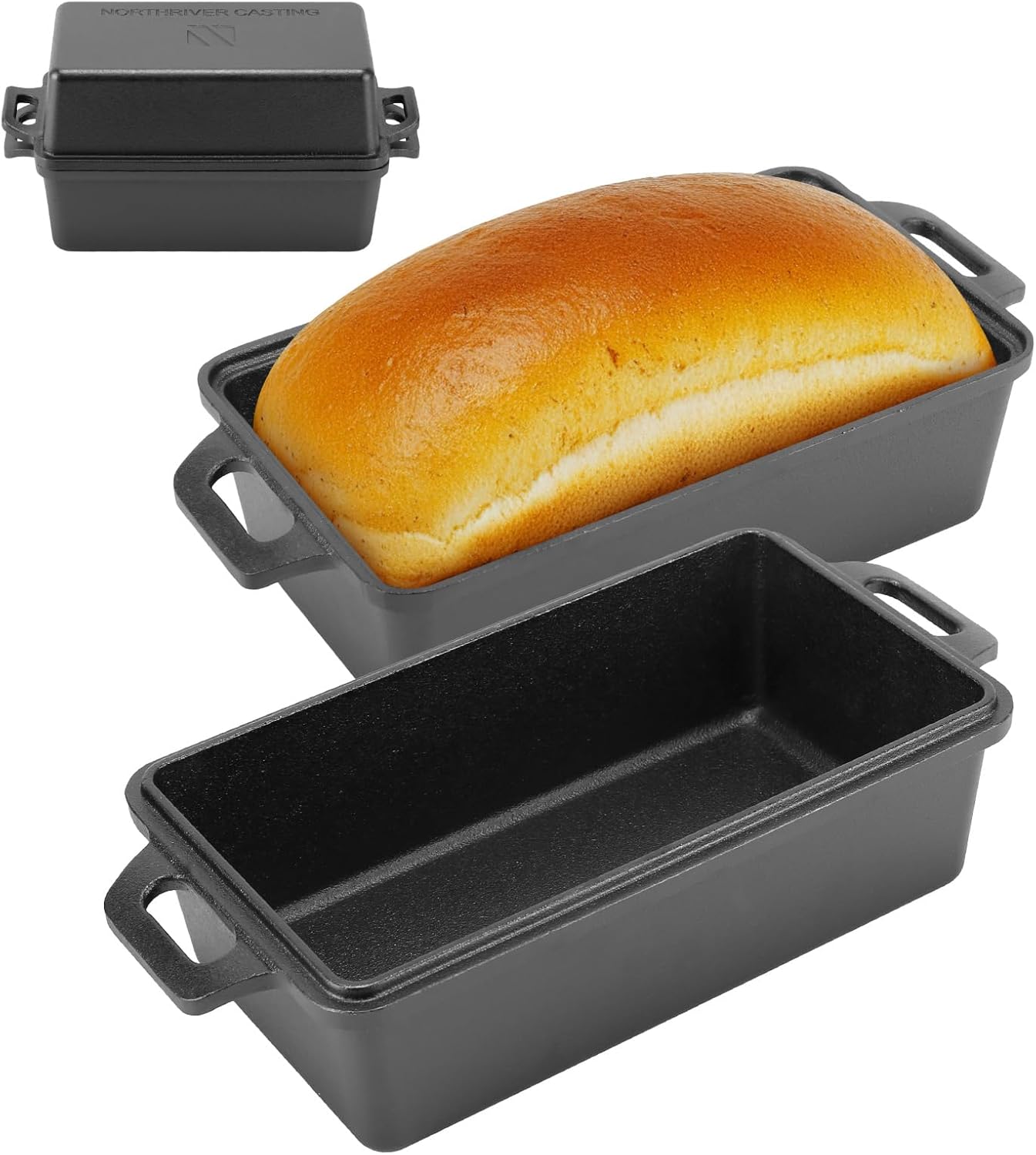
Achieving a blistered, crispy crust on sourdough requires trapping steam during the initial baking phase. Lidded cast iron pans act like mini Dutch ovens, sealing in the moisture released by the baking dough. This trapped steam keeps the outer surface elastic, allowing maximum expansion before the crust sets and browns deeply. Using a matched lid creates an ideal microclimate inside the enclosed baking vessel.
Removing the lid midway through the baking process lets dry heat circulate directly around the loaf. This step transforms the pale surface into a golden, crunchy exterior while keeping the crumb soft and moist. Pans designed with tight-fitting covers optimize this two-stage baking method. Evaluating how securely a lid rests on the base helps determine its effectiveness for artisan crust development.
Heat Distribution and Retention
Consistent heat distribution is critical for preventing hot spots that can burn the bottom of your loaf while leaving the center underbaked. Thick cast iron absorbs heat gradually and radiates it uniformly across the entire baking chamber. This steady thermal property supports predictable oven spring and even crumb structure in dense sourdough recipes. Heavy-walled construction absorbs and holds high temperatures effectively.
Operating successfully across various heat sources, from standard electric ovens to induction cooktops or campfires, expands your baking versatility. Cast iron withstands high temperatures up to five hundred degrees Fahrenheit without warping. Ensuring your chosen pan matches your cooking setup allows you to transition seamlessly between indoor ovens and outdoor heat sources when experimenting with different baking techniques.
Maintenance and Care Requirements
Understanding the upkeep required for your loaf pan ensures its longevity and reliable performance. Raw cast iron demands hand washing, thorough drying to eliminate moisture, and a light application of cooking oil after every use. Skipping these steps can lead to rust formation and degrade the cooking surface. Committing to this routine preserves the seasoned finish over years of baking.
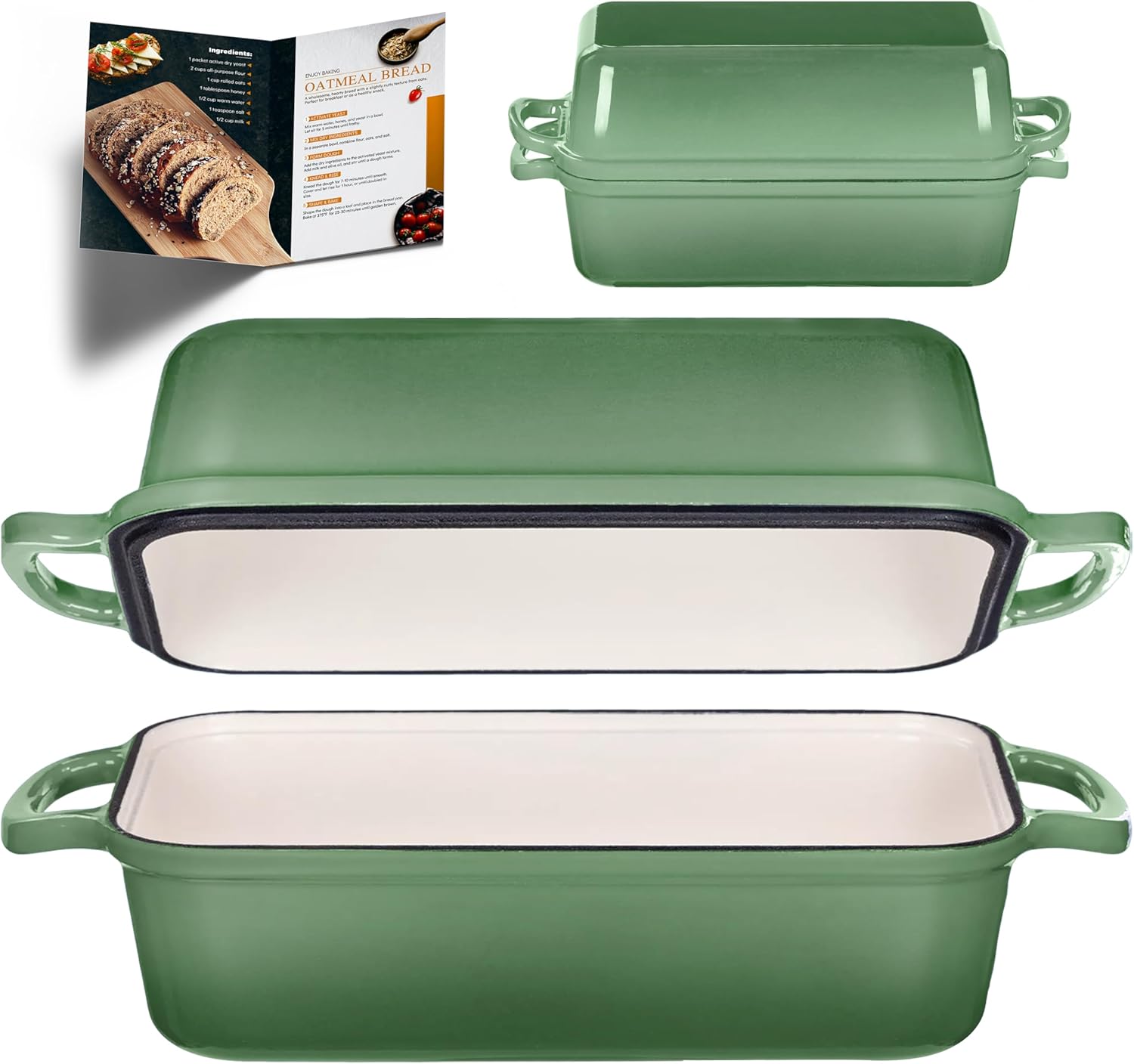
Enameled cast iron provides an alternative that eliminates the need for oil seasoning, relying on gentle hand washing to maintain the smooth finish. However, enameled surfaces require protection against sharp metal utensils and accidental drops to prevent chipping. Assessing your willingness to perform traditional seasoning versus careful enamel handling helps determine the most practical pan style for your kitchen.
Storage and Ergonomic Handling
Cast iron loaf pans are inherently heavy, making ergonomic design a vital consideration for safe handling. Integrated handles, curved grips, or textured surfaces provide secure holds when transferring hot pans into a scorching oven. Protective mitts or silicone grips become mandatory accessories due to high operating temperatures. Evaluating handle placement ensures you can lift loaded pans comfortably and securely.
Storage considerations are equally important given the substantial weight and bulk of cast iron cookware. Stackable two-piece sets allow the lid and base to nest together, saving valuable cabinet space. Measuring your available pantry or shelf clearance before purchasing prevents storage conflicts. Selecting a space-efficient design keeps your kitchen organized while accommodating your preferred artisan baking tools.
Frequently asked questions
Why is cast iron recommended for baking sourdough bread?
Cast iron is widely recommended for baking sourdough because of its exceptional thermal mass and superior heat retention properties. When placed in a hot oven, it absorbs and radiates heat evenly across the entire loaf, which supports a vigorous initial rise known as oven spring. Furthermore, using a heavy cast iron pan with a matching lid traps the natural moisture released by the fermenting dough. This trapped steam mimics professional steam-injected brick ovens, allowing the crust to expand fully before browning into a crispy, golden exterior.
Do I need a lid on my loaf pan for sourdough?
Using a lid during the first portion of the baking process is highly beneficial for achieving an artisan-style sourdough loaf. The lid traps escaping moisture to create a humid microclimate around the dough, preventing the outer skin from setting prematurely and restricting expansion. Once the bread has achieved its maximum rise, removing the lid exposes the surface to dry heat, which promotes deep browning and a crunchy crust. While open pans can work, lidded designs significantly improve crust texture and interior moisture retention.
How do I clean and maintain a seasoned cast iron loaf pan?
Cleaning and maintaining a seasoned cast iron loaf pan requires simple hand-washing techniques without harsh dish soaps or automatic dishwashers. After baking, wash the cooled or warm pan with warm water and a soft brush to remove food residue. Dry the pan completely using a towel or low heat on a stove burner to eliminate all moisture and prevent rust. Finally, apply a very thin layer of cooking oil across all surfaces and store the pan in a dry location to preserve its natural seasoning layer.
What is the advantage of an enameled cast iron loaf pan?
An enameled cast iron loaf pan combines the heavy-duty heat retention of traditional iron with a smooth, glazed exterior and interior finish. The primary advantage is that the enameled coating eliminates the need for manual oil seasoning and prevents acidic ingredients from interacting with the bare metal. It also simplifies cleanup, allowing users to wash the pan easily by hand without worrying about rust formation. This makes enameled options particularly convenient for beginner bakers who want consistent thermal performance with reduced maintenance requirements.
Can cast iron loaf pans be used on stovetops and campfires?
Most cast iron loaf pans are built to withstand high temperatures and are compatible with various heat sources, including gas, electric, and induction cooktops, as well as outdoor grills and campfires. Their rugged construction allows them to handle direct heat efficiently. However, users should always verify specific manufacturer guidelines regarding temperature limits and stovetop compatibility. When moving hot cast iron cookware across different heat sources or into an oven, always use appropriate heat-resistant gloves or heavy potholders to ensure safe handling.