Appliances · Buying Guide
Best Loaf Pans for Baking Bread: Choosing Materials and Sizes for Every Recipe
Baking homemade bread successfully requires selecting the right loaf pan to match your favorite recipes, whether you bake traditional sandwich loaves, sweet pound cakes, or savory meatloaves. Different pan materials, including carbon steel, heavy-weight steel, aluminized steel, and borosilicate glass, offer distinct thermal properties that influence heat distribution, browning, and crust development during baking.
Understanding how various pan constructions and surface coatings affect your kitchen routine helps you make a practical investment. From covered pullman pans designed for perfectly square sandwich slices to standard open-top options featuring specialized nonstick finishes, choosing the correct configuration ensures smooth food release and reliable cleanup every time you use your oven.
As an Amazon Associate, StacyLaughs earns from qualifying purchases.
Buying guide
Selecting the Right Loaf Pan Material
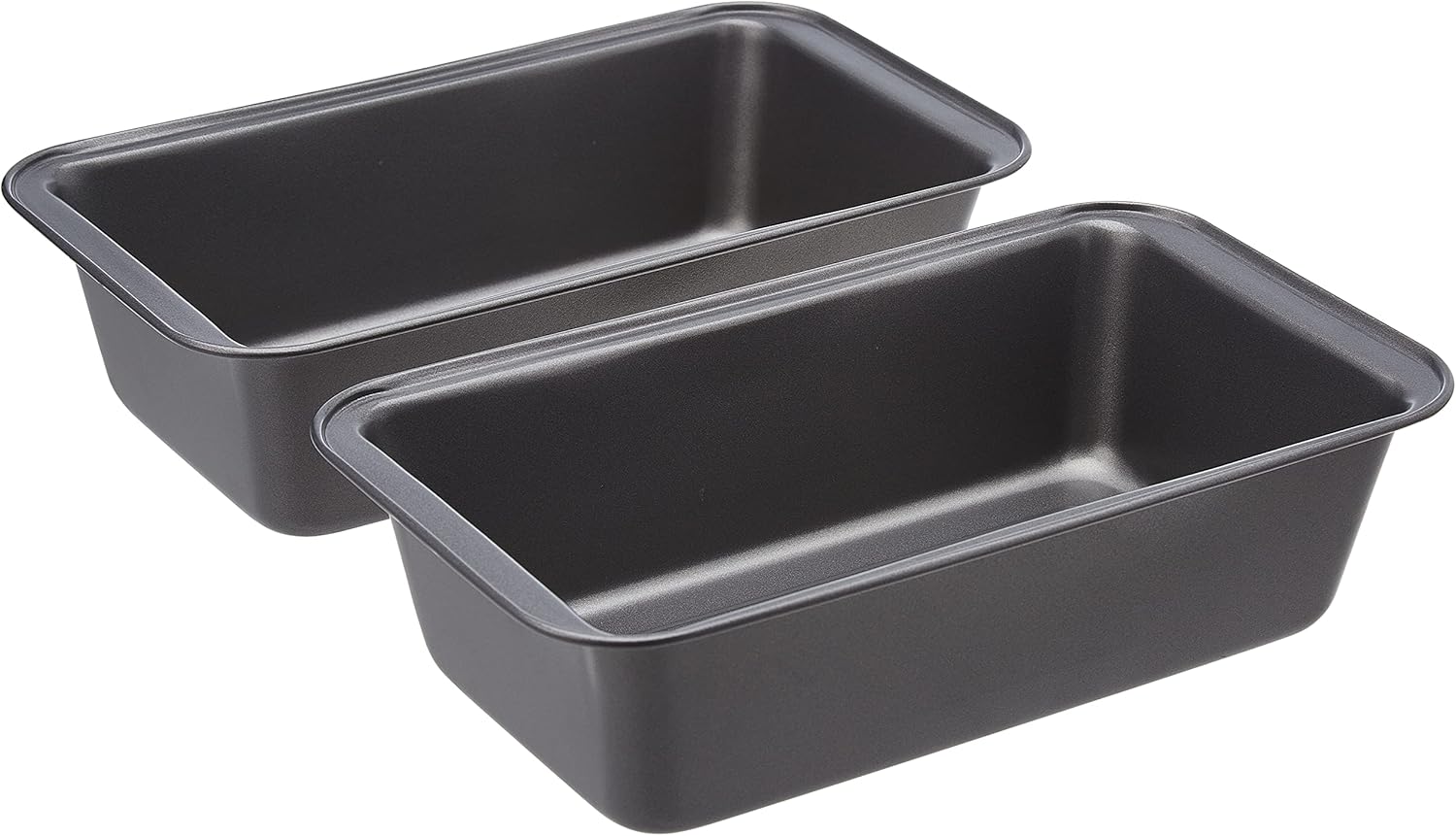
Choosing the correct material for your loaf pan directly influences how heat transfers to your bread dough during the baking process. Metal pans, including aluminized steel and heavy-gauge carbon steel, heat up rapidly to encourage crisp crust development, rapid rising, and deep browning. These metal options suit traditional artisan loaves and standard sandwich breads.
In contrast, borosilicate glass provides exceptional thermal stability and allows you to visually monitor the baking process through the sides of the dish. Glass retains heat longer than metal, which requires careful temperature management to prevent overcooking the outer crust while the center finishes baking. This material also doubles as a convenient storage dish.
Understanding Nonstick Coatings and PFAS Freedom
Modern loaf pans frequently feature nonstick surface coatings designed to simplify food release and cleanup. Many manufacturers utilize advanced silicone or specialized finishes that are explicitly manufactured without potentially harmful chemicals such as PTFE, PFOA, PFAS, and BPA. These coatings ensure your baked breads slide out smoothly without leaving stubborn residues behind on the metal surface.
When selecting a coated pan, consider how the surface interacts with your cleaning routine. While nonstick finishes make washing up remarkably fast, abrasive scrubbers and harsh automated dishwashers can degrade the coating over time. Following manufacturer care instructions, such as hand washing with warm soapy water, helps maintain the longevity of your nonstick bakeware investment.
Evaluating Pan Dimensions and Capacity
Bread pan dimensions dictate the final shape, height, and slice size of your homemade loaves. Standard sizes like nine by five inches accommodate typical yeast bread recipes and standard meatloaf mixtures comfortably. Measuring your oven interior and current recipe requirements prevents purchasing pans that prove too bulky or too restrictive for your daily kitchen baking habits.
Capacity measurements, whether expressed in liters, quarts, or pounds, indicate how much dough a pan can safely hold without overflowing. Overfilling a loaf pan can lead to messy spills and uneven baking results. Matching the stated capacity of the pan to your favorite flour ratios ensures your dough rises properly and develops an attractive, domed top structure.
Managing Temperature Ratings and Oven Safety
Every loaf pan comes with specific temperature ratings that dictate its safe operating limits inside a hot oven. Standard metal and glass pans typically withstand temperatures between 428 and 500 degrees Fahrenheit, accommodating standard baking requirements easily. Exceeding these manufacturer-specified limits can warp metal structures or cause thermal stress in glass baking dishes during high-heat recipes.
When baking with glass pans, standard culinary practice often recommends lowering the oven temperature by twenty-five degrees to compensate for the material heat retention properties. Always review the maximum heat thresholds of your specific bakeware before attempting high-temperature crust techniques or utilizing broiler functions. Proper temperature management keeps your kitchen safe and protects your bakeware investment.
Cleaning and Maintenance Best Practices
Proper maintenance ensures your loaf pans remain functional and attractive through years of baking projects. While some carbon steel and glass pans offer dishwasher-safe convenience, many high-performance metal pans explicitly recommend gentle hand washing. Using soft sponges, warm water, and mild dish soap prevents scratching delicate nonstick coatings and preserves the structural integrity of the baking surface.
Avoiding metal utensils and harsh scouring pads extends the lifespan of coated metal loaf pans significantly. Letting pans cool down gradually before immersing them in water also prevents thermal shock, which can warp steel or crack glass. Adhering to these simple care guidelines guarantees consistent nonstick performance and prevents premature wear on your essential kitchen baking tools.
Choosing Between Open and Covered Designs
Deciding between an open-top loaf pan and a covered pullman pan depends entirely on the style of bread you prefer baking. Open pans produce traditional domed loaves with rustic crusts, making them ideal for standard sandwich bread, pound cakes, and meatloaves. They allow maximum expansion as your dough rises freely during the initial baking phase in the oven.
Covered pullman pans feature a sliding lid that confines the rising dough, forcing it to fill every corner and bake into a flat-topped square shape. This design is essential for authentic pain de mie, uniform sandwich slices, and fine-grained milk breads. Consider your recipe goals and slicing preferences when choosing between these versatile open and covered pan configurations.
Frequently asked questions
Should I grease nonstick loaf pans before adding my bread dough?
Even when using a loaf pan with a certified nonstick coating or silicone finish, applying a light layer of oil, butter, or shortening can provide an extra layer of insurance for sticky doughs. While many modern pans promote effortless food release without extra fat, certain enriched doughs containing high sugar or dairy content may still cling to the corners. Evaluating your specific recipe ingredients helps determine whether a quick greasing step is worthwhile for flawless loaf removal.
Why is it recommended to lower oven temperature when using glass loaf pans?
Borosilicate glass is an exceptional material for retaining and distributing heat evenly across your recipe, but it holds thermal energy differently than metal. Because glass absorbs and radiates heat efficiently, keeping the oven at standard metal-pan temperatures can sometimes overcook or darken the outer crust of your bread before the center finishes baking. Lowering the oven temperature slightly helps balance the cooking rate, ensuring your loaf bakes thoroughly from the inside out without burning the exterior.
Can I use metal loaf pans in the dishwasher for easy cleanup?
Cleaning requirements vary significantly depending on the specific construction and coating of your loaf pan. While some carbon steel or glass pans feature dishwasher-safe designations, many high-performance steel and aluminized steel pans explicitly recommend gentle hand washing with warm soapy water and a soft sponge. Harsh automatic dishwasher detergents and intense spray pressure can degrade specialized nonstick silicone coatings over time, reducing their effectiveness and shortening the overall lifespan of your baking equipment.
What is the main benefit of using a covered pullman loaf pan?
The primary advantage of a covered pullman loaf pan is its ability to shape uniform, square-edged bread with a flat top and fine, even crumb structure. By sliding the secure cover into place, the expanding dough is confined within the rigid steel walls, forcing it to fill every corner as it bakes. This specialized design is ideal for preparing traditional pain de mie, soft sandwich bread, and delicate milk breads that require a neat, predictable slice profile.
How do corrugated surfaces improve bread loaf baking performance?
Corrugated surface designs featured on specific commercial-grade aluminized steel pans incorporate minor ridges and ripples across the bottom of the baking dish. These raised channels facilitate improved air circulation directly underneath the dough while it bakes. Enhanced airflow promotes more uniform heat distribution, aids in rapid crust development, and reduces surface contact area to help your baked breads and cakes release quickly and cleanly from the pan without tearing or sticking.