Appliances · Buying Guide
Best Made In Pizza Steel Options For Crispy Home Bakes

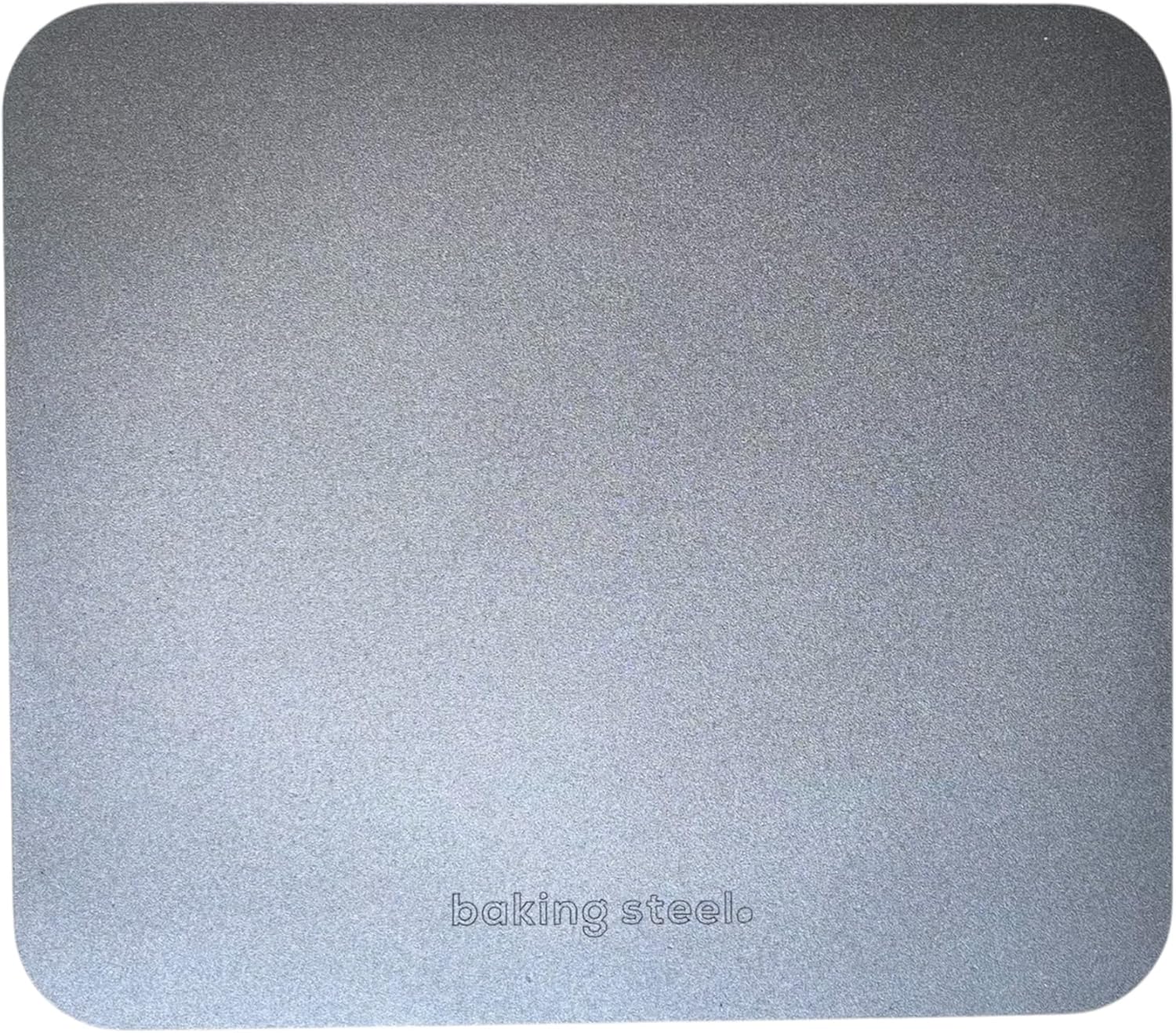
Making restaurant-quality pizza at home often depends on upgrading standard baking sheets to high-conductivity cooking surfaces. A heavy-duty pizza steel absorbs and distributes heat far more efficiently than traditional ceramic stones, preventing thermal cracking while delivering deeply browned crusts. These thick carbon or low-carbon steel plates handle extreme oven temperatures effortlessly, transforming standard domestic ranges into high-heat wood-fired style environments for baking breads and flatbreads.
Choosing the right steel involves evaluating dimensions, weight, thickness, and whether the surface arrives pre-seasoned or ready for manual conditioning. Options range from compact rectangular models suited for standard ovens to oversized plates designed for multi-burner ranges and outdoor grills. Reviewing these American-made choices helps match specific weight and thickness profiles to your baking preferences and oven capacity.
As an Amazon Associate, StacyLaughs earns from qualifying purchases.
Buying guide
Thickness and Heat Retention
Selecting the proper steel thickness is essential for balancing heat retention capabilities with overall weight management in your kitchen. A quarter-inch thickness offers a versatile middle ground suitable for single pizzas, bread loaves, and frozen pies without requiring excessive preheating time. Thinner variants heat up faster but store less residual energy for consecutive bakes.
Conversely, stepping up to a three-eighths inch plate maximizes thermal mass and heat capacity, which proves beneficial when cooking multiple pizzas back-to-back or utilizing outdoor grills. However, thicker options substantially increase total weight, making routine placement and cleaning more physically demanding. Evaluate your typical baking volume and oven stamina before committing to a specific metal gauge.
Sizing and Oven Compatibility
Matching your pizza steel dimensions to your oven interior ensures proper airflow and prevents installation issues during high-temperature preheating cycles. Standard full-size kitchen ovens typically accommodate 16-inch square or rectangular plates comfortably, leaving adequate clearance around the edges for proper heat circulation. Measuring your oven depth and rack width beforehand avoids frustrating clearance conflicts.
Oversized options measuring 20 inches wide provide expansive cooking areas but require large appliance cavities or outdoor grill grates. Conversely, compact kitchens or European-style ovens benefit from smaller 14-inch formats that fit tight spaces easily. Always verify interior dimensions rather than guessing, ensuring your chosen steel rests securely on the middle rack without wedging against the back oven wall or door.
Seasoning and Surface Preparation
Carbon steel cooking surfaces require proper seasoning to build a natural nonstick patina that prevents food from sticking during baking sessions. Some models arrive factory pre-seasoned using organic oils or sandblasted oxidation treatments, letting you start baking immediately without preparation. These factory-treated options save initial setup time and resist rust effectively during early use.
Raw steel versions ship shot-blasted and require an initial manual seasoning cycle involving washing, applying a thin oil coat, and baking at moderate temperatures. While this manual step takes extra time upfront, it lets you establish your own protective barrier from day one. Consistent hand washing and periodic oil maintenance keep both pre-seasoned and raw surfaces performing optimally over years of baking.
Weight and Physical Handling
Pizza steels are heavy chunks of metal, with weights ranging from fifteen pounds up to over thirty pounds depending on dimensions and thickness. Managing this weight requires careful consideration, especially when shifting hot plates in and out of a 500-degree oven. Models featuring built-in finger holes or thumb cutouts offer distinct ergonomic advantages, improving grip security during transfers.
If you experience difficulty lifting heavy cast iron cookware, selecting a lighter quarter-inch plate rather than a massive extra-thick version prevents handling strain. Always allow the steel to cool completely inside the oven before attempting removal or cleaning. Matching the plate weight to your physical comfort level ensures safer baking sessions and reduces the risk of accidental drops.
Material Composition and Durability
High-performance baking plates are typically crafted from durable low-carbon or A36 carbon steel designed to withstand extreme cooking temperatures without structural failure. Unlike traditional ceramic baking stones that frequently crack or shatter from thermal shock, solid metal plates offer virtually indestructible longevity. This robust metallic construction absorbs intense heat and distributes it efficiently across the entire baking zone.
Carbon steel handles direct flame exposure easily, making these plates equally suitable for outdoor gas and charcoal grills or stovetop griddle use. Their acid-alkali resistance and wear-resistant properties ensure they maintain structural integrity through countless pizza nights and bread-baking marathons. Investing in a quality American-made steel plate guarantees a lifetime cooking companion that outlasts fragile stone alternatives.
Versatility Across Cooking Methods
A quality pizza steel functions as a multi-purpose culinary tool capable of handling much more than standard Italian pies. You can use these heavy metal plates to bake artisan sourdough loaves, rustic baguettes, flatbreads, calzones, and cookies with authentic textures. Furthermore, rectangular or square plates span multiple stovetop burners, transforming your range into a flat-top griddle for smash burgers and breakfast items.
Outdoor grill enthusiasts can place carbon steel plates directly over open flames to achieve wood-fired style charring on pizzas and steaks. This multi-appliance adaptability maximizes your investment by replacing specialized pans with a single durable slab. Evaluating how often you plan to bake bread, grill meats, or cook breakfast foods helps determine the best steel format for your kitchen.
Frequently asked questions
Do pizza steels require seasoning before the first use?
Seasoning requirements depend entirely on how the specific steel ships from the manufacturer. Certain models arrive factory pre-seasoned using organic oils, oxidation treatments, or sandblasted coatings, allowing you to begin cooking immediately without any initial setup. Conversely, raw steel versions ship shot-blasted and require a manual seasoning process. This involves washing the plate, applying a thin layer of cooking oil, and baking it at a moderate temperature for about one hour to establish an initial nonstick protective patina.
How does a pizza steel compare to a ceramic pizza stone?
Pizza steels offer vastly superior thermal conductivity compared to traditional ceramic stones, conducting heat up to twenty times more efficiently. This high conductivity allows the steel to transfer intense heat directly into the dough rapidly, resulting in a deeply browned and crispy crust at lower overall oven temperatures. Additionally, solid carbon steel plates are virtually indestructible and will never crack or shatter from thermal shock, whereas ceramic stones are prone to breaking under sudden temperature shifts.
Can I use a pizza steel on an outdoor grill or stovetop?
Yes, most heavy-duty carbon steel baking plates are designed for versatile use across indoor kitchen ovens, outdoor gas or charcoal grills, and kitchen stovetops. When placed over multiple burners on a gas or electric range, large square or rectangular steels function effectively as flat-top griddles for cooking smash burgers, roasted vegetables, and breakfast foods. On outdoor grills, they handle direct flame exposure without warping, allowing you to achieve authentic wood-fired cooking results outside.
How do I clean and maintain my pizza steel after baking?
Maintenance instructions generally specify hand washing or wiping the surface down with a damp cloth and warm water depending on the manufacturer guidelines. Avoid using harsh dish soaps that can strip away the accumulated nonstick seasoning patina. After cleaning, dry the steel thoroughly and apply a very light coat of cooking oil to prevent rust formation during storage. With regular use, the surface builds a darker, natural nonstick coating that improves cooking performance over time.
What thickness should I choose for a home baking steel?
A quarter-inch thickness is widely considered the most versatile choice for most home cooks, providing an optimal balance between heat retention capacity and manageable plate weight. It handles everything from Neapolitan-style pizza to sourdough bread and frozen pies effectively. If you frequently cook multiple pizzas back-to-back and require maximum heat retention, a heavier three-eighths inch deluxe plate is appropriate. Thinner options work well for single pizzas but store less residual heat for consecutive baking sessions.