Appliances · Buying Guide
Best Mason Cash Mixing Bowl Set Alternatives for Your Kitchen
Finding the right mixing bowl set involves balancing material durability, storage convenience, and everyday food preparation tasks. Stoneware, stainless steel, and plastic offer distinct tactile experiences in the kitchen, directly affecting how you prepare, mix, and serve ingredients. Choosing the correct set depends on your available counter space, washing preferences, and mixing style.
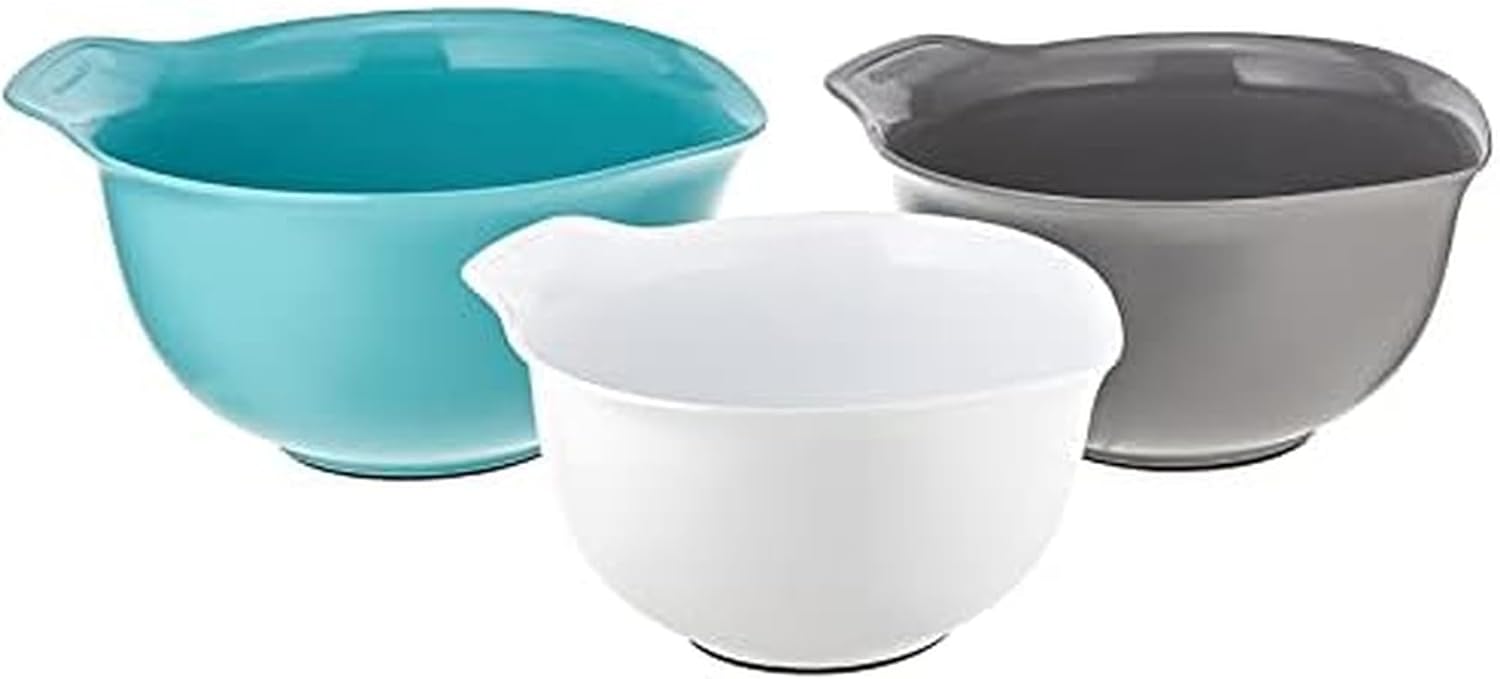
Whether you prefer decorative embossed stoneware featuring charming animal and floral patterns or lightweight nested metal and plastic options equipped with pour spouts, selecting the right capacity ensures smooth kitchen routines. We explore several standout mixing bowl options available today to help match your specific baking and cooking preferences without unnecessary complications.
As an Amazon Associate, StacyLaughs earns from qualifying purchases.
Buying guide
Material Selection and Durability
Choosing the correct material for your kitchen mixing bowls depends heavily on your daily cooking habits, preferred cleaning methods, and aesthetic preferences. Stoneware offers a classic, heavy feel that stays firmly in place during manual mixing routines, though it requires careful handling to prevent accidental chipping.
Stainless steel provides exceptional resistance against rust and corrosion while remaining lightweight, durable, and virtually unbreakable during intense kitchen tasks. Plastic alternatives offer economical versatility and easy handling, though they lack the traditional visual appeal found in ceramic pieces. Balancing these material traits ensures your investment matches your everyday kitchen workflows.
Understanding Capacity and Sizing
Selecting appropriate bowl capacities ensures you have enough room to mix ingredients without creating messy overflows on your counters. Smaller bowls ranging from 0.7 to 1.5 quarts work wonderfully for whisking eggs, mixing dressings, or holding chopped herbs. Mid-size vessels between 2 and 3.5 quarts handle standard cake batters and bread doughs comfortably.
Larger bowls exceeding 4 quarts provide ample space for tossing large salads, doubling recipes, or kneading heavy bread doughs without spilling contents over the rim. Reviewing your most frequent cooking tasks helps determine whether a compact three-piece collection or an extensive five-piece assortment best satisfies your daily culinary requirements.
Stability and Countertop Safety
Maintaining stability during vigorous mixing prevents spills and reduces frustration when combining stubborn ingredients. Bowls equipped with specialized non-slip bases stay securely anchored on smooth countertops, allowing you to stir or whisk forcefully with confidence. This feature is particularly valuable when working with lightweight plastic or metal vessels.
Traditional heavy stoneware bowls often rely on their own substantial weight to stay put without needing rubberized bottom pads. Evaluating how aggressively you mix ingredients will guide you toward choosing either weighted ceramic vessels or lightweight bowls featuring dedicated non-slip grips for enhanced kitchen safety.
Pouring Spouts and Transfer Convenience
Transferring blended cake batters or liquid mixtures into baking pans can quickly become messy without proper design features. Mixing bowls that incorporate built-in pour spouts significantly reduce spills by guiding fluids smoothly out of the container. This design element streamlines the process of moving prepared ingredients directly into hot pans or separate containers.
Classic round bowls without spouts offer uniform rims for comfortable hand-scraped removal of doughs, relying instead on flexible spatulas. Assessing whether you pour liquids frequently or scoop out thicker mixtures helps clarify if a spouted plastic design or a traditional unspouted rim suits your baking style.
Storage and Nesting Capabilities
Efficient kitchen storage is essential for maintaining an organized cooking space, especially when managing multiple mixing bowls. Nested bowl sets allow smaller containers to fit neatly inside the largest vessel, consuming minimal cabinet footprint. This smart design keeps all coordinating sizes together in one convenient location between baking projects.
Evaluating your available cabinet height and shelf depth ensures that stacked bowls fit comfortably without awkward overhangs. Whether organizing lightweight plastic sets or durable stainless steel collections, choosing nested configurations maximizes your storage efficiency and keeps your kitchen counters clear of clutter.
Maintenance and Appliance Compatibility
Keeping your mixing bowls clean should be straightforward, making dishwasher-safe designs a popular priority for busy home cooks. However, different materials demand specific care guidelines to maintain their structural integrity over time. Stoneware pieces often require gentle hand washing and avoidance of abrasive metal utensils or electric hand mixers.
Metal and plastic bowls generally tolerate routine dishwasher cleaning cycles easily, though lids or non-slip bases may require top-rack placement. Reviewing manufacturer care instructions ensures your chosen set remains in excellent condition, providing reliable performance through countless food preparation sessions.
Frequently asked questions
Can I use electric hand mixers in stoneware mixing bowls?
Manufacturer guidelines for traditional stoneware mixing bowls, such as those from Mason Cash, explicitly advise against using electric hand mixers or metal utensils. Doing so can cause scratching, chipping, or cracking of the glazed stoneware surface over time. If you frequently rely on electric beaters for whipping cream or blending heavy cake batters, you should choose durable stainless steel or heavy-duty plastic mixing bowls instead, as these materials handle mechanical beaters without surface damage concerns, preserving your cookware investment.
Are stainless steel mixing bowls safe for the dishwasher?
Yes, the stainless steel mixing bowls included in these reviewed collections feature dishwasher-safe designs for fast and easy cleanup after food preparation tasks. You can place the metal bowls directly into the dishwasher alongside your everyday dishes. However, if your stainless steel set includes matching plastic storage lids or specialized airtight covers, check the manufacturer instructions, as lids often require top-rack placement to prevent warping from high heating elements during wash cycles.
Do all mixing bowls include non-slip bases or pour spouts?
No, inclusion features vary significantly depending on the material and brand design philosophy. Plastic and certain metal collections frequently incorporate rubberized non-slip bases and molded pour spouts to enhance stability and reduce transfer spills. Conversely, traditional stoneware and basic open-construction stainless steel bowls typically feature classic smooth rims and unpadded bottoms, relying on their substantial weight or manual grip during food preparation instead of added rubber grips or integrated spouts.
How do I choose the right bowl capacity for baking?
Choosing the correct bowl capacity depends entirely on the volume of ingredients you typically prepare at one time. Smaller bowls under 1.5 quarts work best for whisking eggs, melting butter, or mixing quick dressings. Mid-size bowls between 2 and 3.5 quarts accommodate standard cake mixes and cookie doughs comfortably. If you frequently double batch recipes, toss large salads, or knead substantial bread doughs, selecting larger bowls exceeding 4.5 quarts prevents messy overflows during vigorous mixing.
Can metal or plastic bowls be used in the oven or microwave?
Standard metal stainless steel bowls and lightweight plastic mixing bowls are generally not recommended for oven heating due to material composition and lid limitations. Similarly, traditional stoneware bowls specified in these collections explicitly advise against oven and microwave usage to prevent thermal shock, cracking, or chipping. Always verify specific manufacturer guidelines before exposing any mixing bowl to high heat sources, as these vessels are engineered primarily for room-temperature food preparation, mixing, and serving.