Appliances · Buying Guide
Best matfer bourgeat dough scraper choices for baking prep
Finding the right tool for kitchen dough preparation involves looking closely at material construction, edge flexibility, and overall shape design. Bakers often require specialized implements to handle sticky batters, divide stiff yeast doughs, and clear mixing surfaces efficiently without damaging delicate bowls or countertops during everyday food preparation tasks.
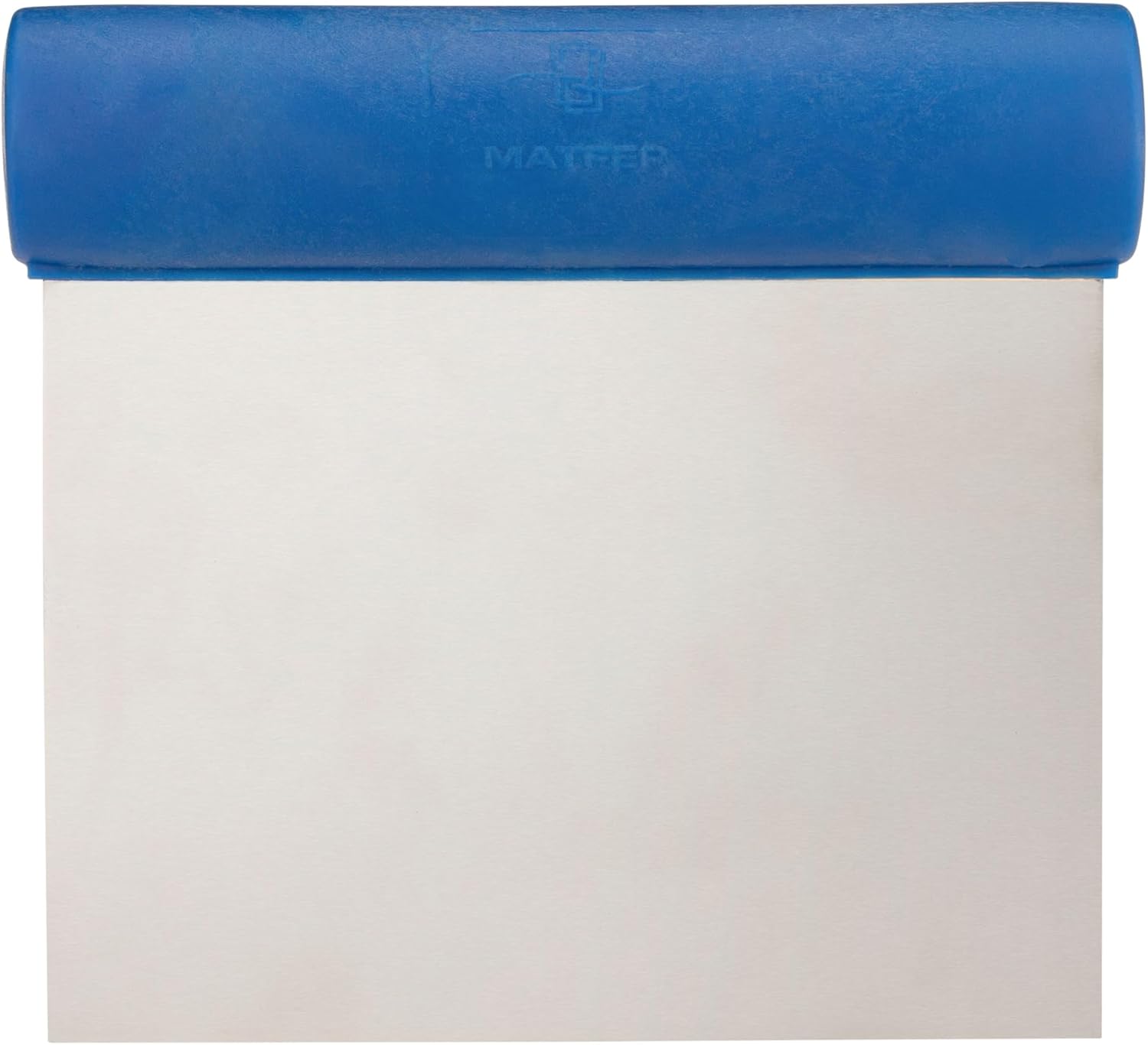
The Matfer Bourgeat product lineup provides various options tailored to specific kitchen tasks, featuring flexible nylon bowl scrapers, stainless steel bench knives, and durable Exoglass models manufactured in France. Evaluating these choices carefully helps match your specific baking routines with a tool built for daily use, proper hygiene maintenance, and comfortable handling during baking.
As an Amazon Associate, StacyLaughs earns from qualifying purchases.
Buying guide
Material Composition
Selecting the proper material for your baking tool depends heavily on your daily food preparation needs and mixing habits. Stainless steel offers maximum rigidity and long-term durability for cutting through tough, dense bread doughs on flat work surfaces. On the other hand, nylon and composite Exoglass materials introduce specific advantages like nonstick performance or broad temperature tolerance.
Buyers should consider how each material interacts with mixing bowls and countertops. Metal tools provide firm slicing power, while plastic and Exoglass options protect delicate container surfaces from scratches. Matching the material to your common baking tasks ensures efficient performance without premature wear or container damage during food preparation.
Edge Flexibility and Shape
The choice between a rigid edge and a flexible edge directly dictates how the scraper performs during kitchen food preparation. Rigid blades maintain a straight or rounded shape that excels at dividing dense dough and scraping clean flat counters. Flexible edges bend easily, making them ideal for conforming to the curved interiors of various mixing bowls.
Blade shapes also vary between straight lines and rounded contours. Straight edges handle general cutting and bench cleanup efficiently, while curved edges scoop out batter and icing seamlessly. Assessing your typical recipes will clarify whether you need a pliable bowl scraper or a firm cutting knife for daily baking tasks.
Handle Comfort and Ergonomics
Comfortable handling is essential when working through repetitive baking tasks and extensive dough preparation sessions in the kitchen. Many professional-grade scrapers feature rounded handles designed to fit naturally in the hand, reducing strain on the wrist and fingers. Ergonomic designs help maintain a secure grip even when hands are covered in flour or moisture during busy baking projects.
Evaluating handle construction involves looking at shape, thickness, and material texture across different models. A well-designed grip prevents hand fatigue during long hours of kneading, cutting, and shaping pastries. Prioritizing comfort ensures you can complete food preparation efficiently without experiencing physical discomfort or losing control over the cutting tool.
Maintenance and Cleaning
Maintaining kitchen hygiene requires tools that clean easily after handling sticky doughs, batters, and sweet frostings. Dishwasher-safe construction simplifies the cleanup process by allowing thorough sanitation between baking sessions. Seamless metal or solid synthetic designs prevent food particles from becoming trapped in hidden crevices, ensuring high standards of cleanliness in both home and professional kitchens.
Selecting a scraper rated for dishwasher use saves valuable time during kitchen cleanup routines. Materials like stainless steel, nylon, and Exoglass withstand regular exposure to hot water and commercial detergent without degrading structurally. Checking manufacturer care instructions helps preserve the condition and performance of your baking implements over years of frequent food preparation use.
Dimensions and Sizing
Tool dimensions play a critical role in determining how comfortably a scraper fits your workspace and kitchen storage drawers. Models range from compact three-inch widths to wider five-inch blades designed for handling larger quantities of dough efficiently. Choosing the correct size ensures the scraper matches the physical scale of your mixing bowls and cutting boards during daily food preparation.
Larger scrapers cover more surface area during bench work, while smaller options offer greater maneuverability in tight mixing spaces. Consider your typical recipe batch sizes and counter space availability when evaluating physical dimensions. Proper sizing promotes efficient motion and prevents awkward handling during intricate pastry and bread-making work.
Temperature and Special Uses
Certain baking applications require specialized materials that withstand extreme thermal ranges without warping or structural degradation over time. Materials like Exoglass offer impressive temperature resistance, handling environments ranging from freezing cold conditions up to very high heat levels. This thermal adaptability makes them suitable for diverse food preparation tasks across professional kitchens.
Standard stainless steel and nylon scrapers also provide dependable performance within normal kitchen operating ranges. Understanding your specific cooking or baking environment helps determine if specialized temperature tolerances are necessary for your daily baking routine. Selecting the right specialty tool expands your baking capabilities safely and effectively without risking material failure or surface damage.
Frequently asked questions
What is the difference between a flexible bowl scraper and a rigid bench knife?
A flexible bowl scraper is typically made from nylon or pliable plastics with curved edges designed to bend and conform to the interior walls of mixing bowls, making it easy to sweep out sticky batters and icings. In contrast, a rigid bench knife features a solid stainless steel or Exoglass blade that maintains a straight or rounded shape, providing the firm downward force needed to divide stiff bread dough and scrape clean flat work counters.
Can these Matfer Bourgeat scrapers be washed in a dishwasher?
Yes, all highlighted Matfer Bourgeat scrapers, whether constructed from nylon, stainless steel, or Exoglass, are explicitly listed as dishwasher safe. This feature simplifies cleanup routines after messy baking sessions involving sticky doughs, loose flour, and sweet frostings. Putting them in the dishwasher allows for thorough sanitation between uses, helping maintain high hygiene standards in line with professional kitchen requirements without damaging the durable structural materials.
Which material is best for cutting thick bread dough?
Stainless steel or rigid Exoglass cutters are best suited for slicing through thick, dense bread doughs during preparation. Their solid construction prevents the blade from bending under heavy downward pressure, allowing you to make clean cuts and divide portions accurately on a workbench. Flexible nylon scrapers lack the necessary rigidity for heavy cutting tasks and are better reserved for scooping batters, scraping mixing bowls, and cleaning softer residues off flat surfaces.
Are these scrapers suitable for professional kitchen use?
Yes, the entire Matfer Bourgeat product line is manufactured in France to meet strict standards for durability, performance, and hygiene demanded by professional kitchens. Chefs and bakers rely on these tools for daily food preparation tasks ranging from dough division to bowl clearing. Their robust construction and dishwasher-safe designs ensure they withstand the rigorous demands of busy culinary environments while delivering reliable everyday performance across various baking projects.
How do I choose the right edge shape for my baking needs?
Choosing the right edge shape depends on your primary tasks in the kitchen. Select a curved edge if you frequently mix batters and need an implement that sweeps cleanly along the inside contours of mixing bowls. Choose a straight edge if your main activities involve cutting dough, dividing portions, and scraping flat countertops. Some multi-purpose models offer both options, giving you versatile functionality for diverse baking routines.