Appliances · Buying Guide
Best Measuring Cup Set Options for Everyday Kitchen Prep
Choosing the right equipment simplifies daily baking and cooking routines. Measuring accurately ensures recipes turn out as expected, whether you are mixing a quick batch of cookies or preparing a complex dinner.
Different kitchen tasks demand specific tools, ranging from nested stainless steel scoopers to clear glass vessels equipped with easy-to-read markings. This overview examines five distinct options available on the market today. Each selection highlights unique structural designs, material compositions, and storage configurations to match your personal cooking style. Reviewing these practical features helps you identify a reliable setup for your home without relying on guesswork or promotional claims.
As an Amazon Associate, StacyLaughs earns from qualifying purchases.
Buying guide
Material Composition and Durability
Selecting the right material for your measuring tools significantly impacts long-term durability and daily maintenance routines. Stainless steel options resist rust and withstand frequent trips through the dishwasher without losing structural integrity. These sturdy metal tools handle dense dry ingredients effortlessly and rarely crack under pressure, making them a reliable staple for everyday baking tasks across busy households.
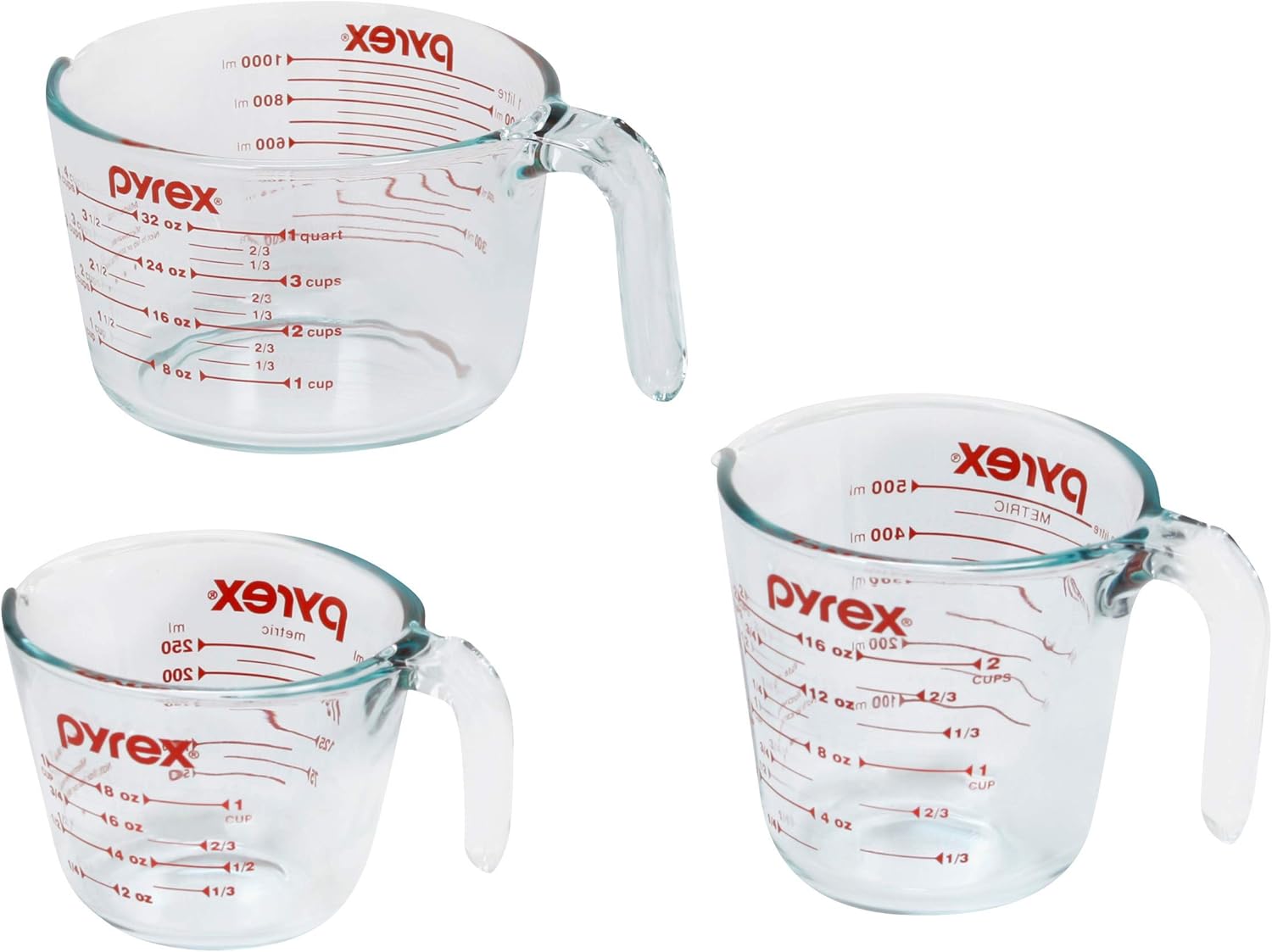
Glass alternatives offer distinct advantages for liquid measuring, including thermal resilience that lets you microwave contents directly inside the vessel. However, glass pieces require more cautious handling to prevent chipping or breakage during crowded cabinet storage. Evaluating your typical cooking habits helps determine whether resilient metal or versatile glass best suits your daily kitchen environment and recipe preferences.
Piece Counts and Fractional Coverage
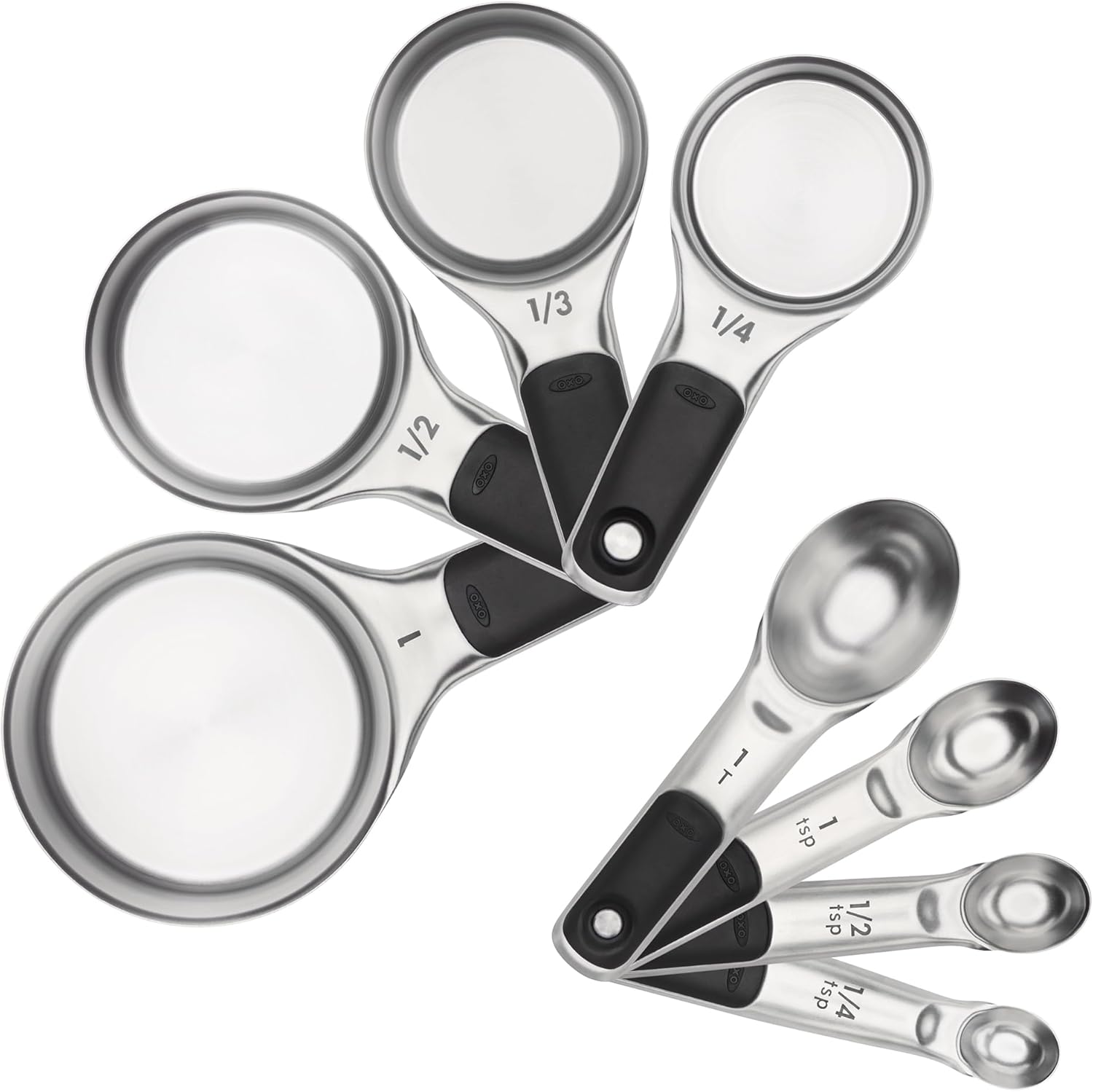
Examining the piece count of a set ensures you have the exact increments required for your favorite recipes. Comprehensive collections featuring fourteen pieces cover numerous fractional cup and spoon sizes, significantly reducing the need to convert measurements on the fly. These expansive sets accommodate complex baking projects requiring highly precise ingredient ratios.
Smaller four-piece or six-piece sets focus on standard capacities like one-fourth, one-half, and one cup. While these streamlined options save valuable storage space, they frequently omit intermediate sizes such as two-thirds or three-fourths cups. Assessing the recipes you bake most often clarifies whether an extensive collection or a minimalist set best meets your daily demands.
Storage Mechanisms and Organization
Efficient storage design keeps your kitchen drawers organized and prevents individual pieces from getting lost among other kitchen utensils. Sets featuring magnetic handles allow cups and spoons to snap together neatly while letting you easily detach a single item when needed. This clever magnetic cohesion streamlines tool retrieval without requiring loose rings or cumbersome clips.
Other configurations rely on open-and-close storage rings that bundle all components together in one secure place. While rings keep every item tethered, they can sometimes make quick selection slightly more cumbersome during fast-paced cooking sessions. Carefully consider your available drawer space and personal organization preferences when choosing how your measuring tools remain bundled together.
Ergonomics and Handle Design
Comfortable handle construction prevents hand strain when scooping dense ingredients like packed brown sugar or heavy flour. Soft-touch, non-slip grips offer a secure hold, significantly enhancing user confidence during demanding baking tasks. Proper ergonomic shaping makes a noticeable difference when working through large batches of cookie dough or batter throughout the entire day.
Sturdy metal handles featuring solid single-metal construction provide maximum sturdiness and eliminate weak attachment points between the handle and cup vessel. However, smooth metal surfaces may lack the cushioned feel of specialized rubberized grips. Balancing everyday hand comfort against long-term structural simplicity helps guide your final selection toward the ideal handle style for your kitchen workspace.
Leveling and Measurement Accuracy
Achieving accurate measurements relies heavily on the ability to level dry ingredients smoothly across the top rim of the measuring cup. Leveling-friendly designs feature flat rims that allow you to sweep away excess flour or sugar cleanly. This physical capability ensures your recipes maintain consistent proportions every single time you bake at home.
Some sets include a dedicated physical leveler tool, while others rely on the straight edge of the cup rim. Permanent etched or engraved markings also contribute to long-term accuracy by preventing size indicators from rubbing off after repeated washings in the dishwasher. Selecting tools specifically designed for easy leveling simplifies precise baking preparation across various recipes.
Maintenance and Cleaning Convenience
Keeping your kitchen tools clean should be a straightforward process that fits easily into your daily routine. Many stainless steel and glass measuring sets are fully dishwasher safe, allowing for quick cleanup after messy baking sessions. Non-porous glass surfaces resist absorbing food odors, persistent flavors, or stubborn stains over extended periods of daily use.
Reviewing manufacturer cleaning guidelines ensures your chosen tools maintain their polished finish and structural integrity over years of regular service. Stainless steel models resist rust and corrosion, while tempered glass handles thermal shifts safely in microwaves and preheated ovens. Choosing reliable low-maintenance materials saves valuable time and effort in the busy home kitchen.
Frequently asked questions
What is the difference between stainless steel and glass measuring cups?
Stainless steel measuring cups are typically designed for dry ingredients like flour and sugar, featuring straight rims that make leveling easy. They are lightweight, shatterproof, and often nest together or use magnetic handles for compact drawer storage. Glass measuring cups are primarily intended for liquids, featuring a handle, a pour spout, and volumetric markings in ounces and milliliters. Glass units can often transition from the refrigerator or freezer into the microwave or preheated oven, though they are heavier and require careful handling.
Are measuring cups and spoons dishwasher safe?
Many stainless steel and tempered glass measuring sets are rated as dishwasher safe, allowing for convenient cleanup after cooking and baking tasks. Stainless steel models resist rust and corrosion during wash cycles, while tempered glass withstands high water temperatures without degrading. However, reviewing specific manufacturer guidelines is always recommended to ensure long-term maintenance of finishes or markings. Following these cleaning instructions helps preserve the structural integrity and appearance of your measuring tools over years of kitchen use.
Why are some measuring cup sets magnetic?
Magnetic measuring cup sets feature built-in magnets in their handles designed to keep the individual pieces neatly bundled together during storage. This magnetic design prevents tools from scattering in crowded drawers while still allowing you to detach a single cup or spoon when needed. It offers a tidy alternative to traditional storage rings or clips. Users who appreciate quick access and organized kitchen drawers often find magnetic handles to be a practical storage feature for everyday baking.
Do I need both measuring cups and measuring spoons?
Having both measuring cups and measuring spoons is generally necessary for following standard cooking and baking recipes accurately. Cups handle larger dry or liquid ingredient volumes such as flour, sugar, water, and milk. Spoons are specifically scaled down for small quantities of potent ingredients like baking soda, salt, extracts, and spices. Purchasing a combination set or buying companion pieces ensures you have the correct tool size available whether a recipe calls for a full cup or a fraction of a teaspoon.
How do I ensure accuracy when measuring dry ingredients?
Ensuring accuracy when measuring dry ingredients involves overfilling the measuring cup or spoon and then sweeping a straight edge across the top rim to remove excess material. Many metal cups feature leveling-friendly designs with flat rims specifically built for this purpose, and some sets even include a dedicated leveler tool. Avoid packing flour directly by scooping heavily with the cup; instead, spoon flour loosely into the vessel before leveling it off to achieve the correct density and recipe results.