Appliances · Buying Guide
Best Mini Bread Loaf Pans for Everyday Baking
Baking individual portions or sharing homemade treats requires reliable equipment designed for consistent heat distribution. Mini bread loaf pans come in various configurations, ranging from single multi-cavity trays to individual pan sets, accommodating diverse recipes from banana bread to savory meatloaves and small cakes. Home bakers often look for reliable non-stick surfaces and durable metals to simplify the baking process.
Selecting the appropriate bakeware involves evaluating material composition, physical dimensions, and cleaning preferences to match your kitchen workflow. Understanding these attributes ensures your baked goods release cleanly and bake evenly across different oven types, whether you prefer multi-cavity connected molds or standalone miniature pans.
As an Amazon Associate, StacyLaughs earns from qualifying purchases.
Buying guide
Material Composition
Bakeware material significantly affects how heat transfers to your dough or batter during the baking process. Carbon steel and aluminized steel provide rapid, even thermal distribution that helps develop uniform golden crusts on small loaves and cakes. Stainless steel offers durable, rust-resistant qualities but often requires proper greasing or parchment lining to prevent food from sticking. Choosing the right metal depends on your preferred thermal response and how frequently you bake dense recipes.
Consider how different metal thicknesses handle high oven temperatures without developing structural warping over time. Heavy-gauge constructions maintain their flat profile and precise angles across numerous baking cycles. Evaluating these material properties ensures your bakeware remains dependable for daily kitchen tasks and diverse culinary projects.
Tray Design Versus Individual Pans
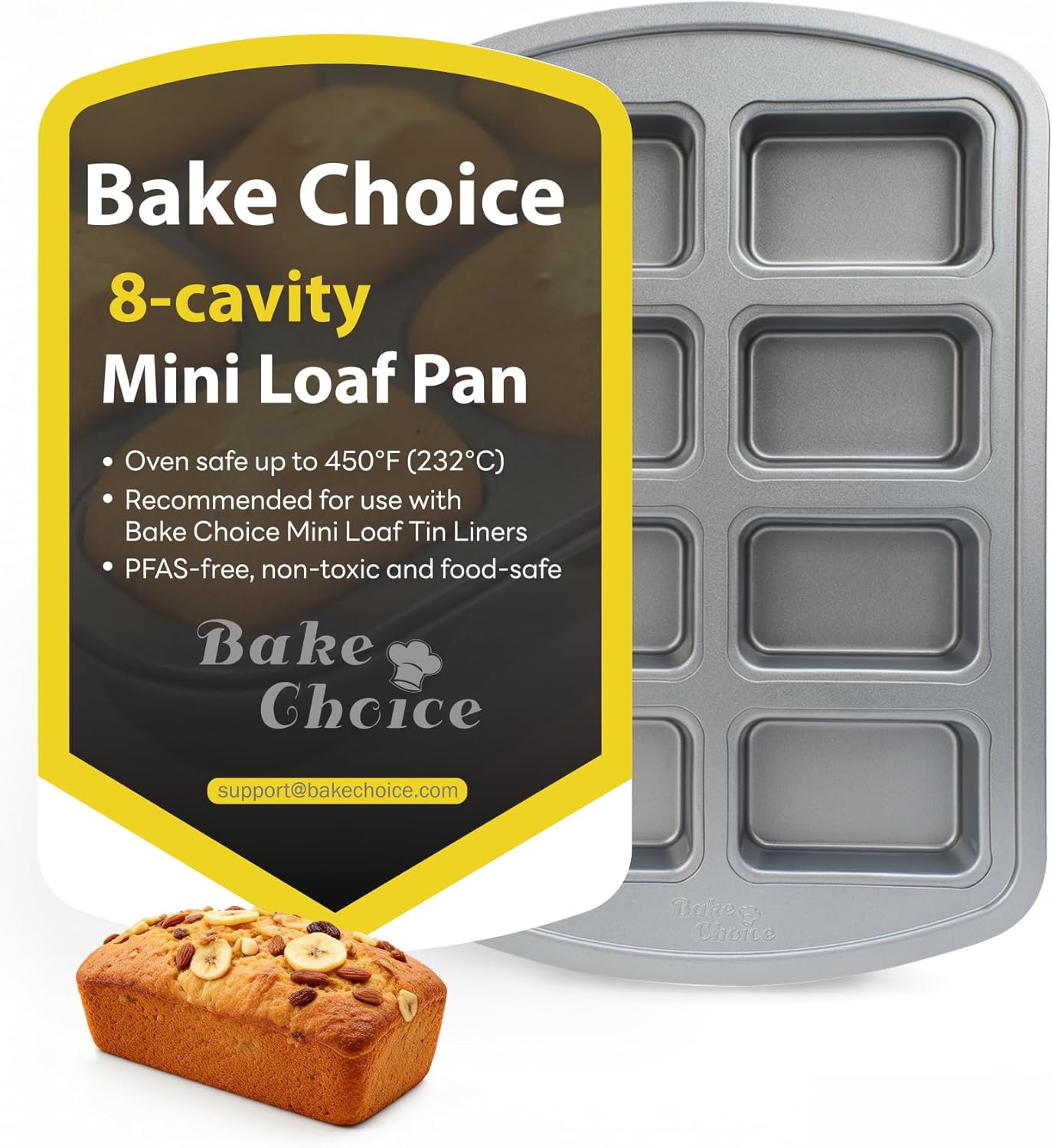
Connected multi-cavity trays hold several miniature molds within a single rigid frame, streamlining batch preparation. This integrated design simplifies handling when moving multiple portions into the oven simultaneously without juggling loose items. However, these larger connected frames demand adequate oven rack width and limit arrangement flexibility if you only want to bake a single small loaf.
Standalone individual pans offer the freedom to arrange your baking layout across crowded oven racks or store units in compact spaces. Managing separate pieces requires individual placement and retrieval, which might feel slightly cumbersome during busy baking sessions. Carefully assess your oven dimensions and storage availability before choosing between unified connected trays and loose sets.
Size and Cavity Dimensions
The physical dimensions of each individual cavity dictate your final portion sizes and help with recipe scaling. Standard mini loaf sizes typically range around three to six inches in length, making them ideal for single servings or gifts. Matching the pan cavity volume to your preferred bread or cake recipes prevents messy batter overflow or unevenly cooked centers.
External footprint dimensions determine how easily the bakeware fits inside your specific kitchen oven and storage cabinets. Multi-cavity connected pans require wider flat shelf space, whereas smaller individual pans tuck easily into tight cupboard corners. Always measure your oven interior and storage clearance before purchasing larger multi-cavity baking sheets to avoid fit issues.
Non-Stick Coatings and Release
Non-stick surfaces simplify removing delicate breads and small cakes without leaving crucial crumbs behind on the metal. Many carbon steel and aluminized steel pans feature specialized coatings designed to release baked goods cleanly and quickly. These smooth surfaces significantly reduce the need for excessive butter or oil application during routine baking tasks.
Maintaining non-stick coatings successfully often involves specific care practices, such as gentle hand washing with soft sponges and mild detergents. Avoiding abrasive metal scrubbers preserves the protective layer over extended periods of frequent use. Stainless steel alternatives rely less on chemical coatings, offering a different physical approach to long-term release that benefits from parchment paper.
Ergonomics and Handle Design
Handling hot bakeware safely requires thoughtful design elements like extended flanges, thumb-friendly grips, or reinforced rolled edges. Extra-wide handles give bulky oven mitts a secure purchase, minimizing accidental slips when transferring heavy pans out of hot environments. Rolled rims also add vital structural rigidity to prevent the metal from sagging under heavy dough loads.
Evaluating the grip comfort becomes particularly important when pulling fully loaded pans from high baking temperatures. Smooth, reinforced edges protect your fingers from sharp metal angles while offering confident control during transport. Prioritize handle features that match your preferred oven mitt thickness and physical grip style for maximum kitchen safety.
Cleaning and Maintenance Requirements
Bakeware cleanup routines vary depending on the specific metal alloys and surface coatings used in construction. While many modern mini loaf pans are labeled dishwasher safe for ultimate convenience, hand washing is frequently recommended by makers to extend surface life. Following these basic care guidelines prevents premature wear on delicate non-stick layers and maintains performance.
Proper drying and storage habits also contribute significantly to the overall longevity of your baking equipment investment. Ensuring pans are completely dry before stacking prevents moisture buildup and potential corrosion on vulnerable joints. Selecting pans with seamless interior constructions eliminates hard-to-clean crevices where food residue and washing water can collect over time.
Frequently asked questions
How do I prevent mini loaves from sticking to the pan?
Preventing loaves from sticking depends heavily on the pan surface and preparation habits. If your pan features a non-stick coating, it generally releases baked goods easily, though applying a light coating of butter, oil, or baking spray provides extra insurance. For stainless steel or uncoated surfaces, thorough greasing or lining the individual cavities with parchment paper is strongly advised. Allowing baked items to cool inside the pan for a few minutes before attempting removal also helps maintain their structural form and prevents tearing.
Can I use metal utensils with non-stick mini loaf pans?
Using metal utensils on non-stick coated surfaces is generally discouraged because sharp edges can scratch or gouge the protective layer. Scratched coatings lose their effortless release properties over time and may cause food to adhere permanently to the exposed metal underneath. Instead, opt for silicone, wooden, or plastic utensils when loosening baked goods or transferring them to cooling racks. Protecting the non-stick finish ensures consistent performance across many baking sessions without premature surface degradation.
What is the difference between connected multi-cavity trays and individual pans?
Connected multi-cavity trays feature several miniature loaf molds joined together within a single metal frame, allowing you to bake multiple portions simultaneously while moving only one piece of bakeware. This design is efficient but requires sufficient oven rack width and storage space. Individual pans, conversely, are separate units that can be arranged flexibly across crowded oven racks or stored in tight kitchen spaces. The choice depends entirely on your oven capacity, storage availability, and personal baking preferences.
Are these mini loaf pans safe for high-temperature baking?
Most standard mini loaf pans are engineered to withstand typical baking temperatures up to 450 degrees Fahrenheit or 232 degrees Celsius, accommodating a wide variety of sweet and savory recipes. However, you should always verify the specific upper temperature rating provided by the manufacturer before placing bakeware in very hot ovens. Exceeding recommended temperature limits can damage non-stick coatings, warp thin metal sheets, or compromise the structural integrity of the pan over extended use.
How should I clean and store my mini loaf pans after use?
Cleaning your mini loaf pans properly helps preserve their finish and functional lifespan. While several models are rated dishwasher safe, hand washing with warm water, mild dish soap, and a soft sponge is frequently advised to protect non-stick coatings. After washing, ensure the pans are completely dry before storing them away to prevent moisture accumulation. If your pans feature stackable designs, nesting them carefully or using protective padding can prevent scratches during cabinet storage.