Appliances · Buying Guide
Best Mini Cheesecake in Cupcake Pan Choices for Easy Baking
Baking individual portions requires reliable bakeware that ensures even heat distribution and effortless dessert release. Using a mini cheesecake in cupcake pan setup allows home bakers to create bite-sized treats for parties, family gatherings, and everyday dessert cravings without struggling to slice large cakes or traditional desserts. Durable construction materials help maintain consistent results across multiple batches.
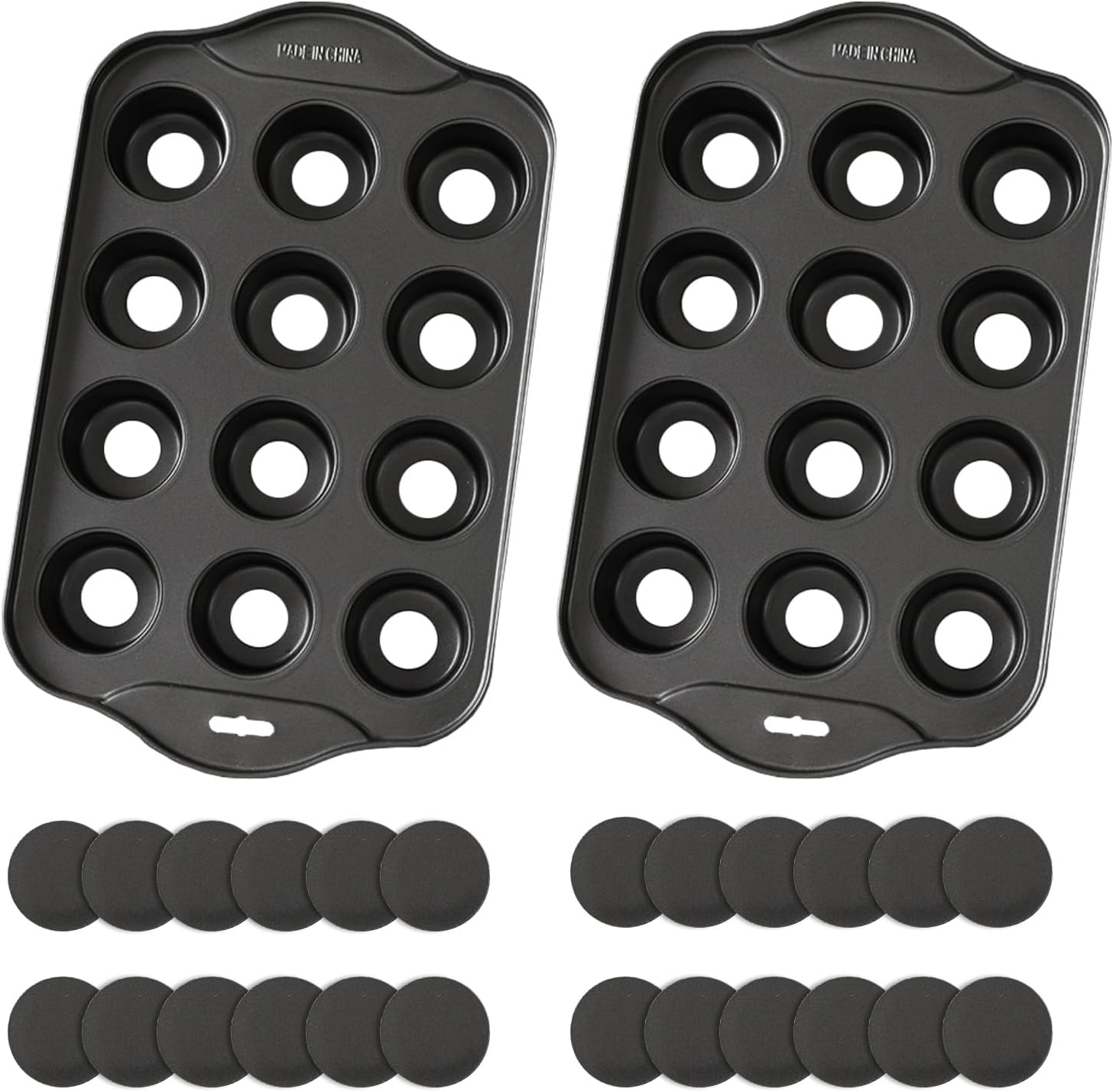
Specialized carbon steel pans equipped with removable bottom discs make removing delicate pastries completely seamless. Whether preparing mini muffins, fruit tarts, or rich chocolate cheesecakes, selecting the right multi-cavity pan transforms your kitchen routine. These baking tools combine sturdy metallic frames with nonstick convenience, ensuring clean presentation and simplified cleanup after every successful baking session.
As an Amazon Associate, StacyLaughs earns from qualifying purchases.
Buying guide
Selecting the Right Material for Durability
Choosing appropriate bakeware materials ensures long-term performance and consistent heat conduction across every individual baking cavity. Carbon steel remains the industry standard for mini cheesecake pans due to its superior ability to distribute heat evenly. This prevents hot spots that could burn delicate crusts or underbake fillings. Heavy-gauge variants resist warping under high temperatures, maintaining structural integrity through repeated use in standard household ovens.
When evaluating options, look for sturdy construction that withstands daily kitchen demands without bending or flexing. Quality metallic frames provide a solid foundation, ensuring your mini desserts maintain uniform shapes. Investing in robust materials eliminates the frustration of warped trays and guarantees dependable results whether you are baking fruit tarts, muffins, or rich chocolate cheesecakes for family gatherings.
Understanding Removable Bottom Mechanisms
Removable bottom discs are essential features for baking delicate pastries like cheesecakes, quiches, and mini sponge cakes. These loose metal discs push upward from the base, allowing you to lift finished treats directly out of the cavity without damaging their fragile crusts or outer edges. This mechanism simplifies the entire demolding process for home bakers.
However, managing multiple small metal pieces requires extra attention during washing, drying, and storage routines. Keeping track of twenty-four or thirty-six individual discs prevents misplacement in busy kitchen environments. Despite this minor organizational trade-off, the removable base design remains invaluable for achieving professional-looking presentation, flawless edges, and effortless cleanup after every successful baking session.
Evaluating Cavity Count and Batch Capacity
Determining how many cavities you need depends on your typical baking volume and household size. Single-pan models usually feature twelve individual cups, which suits small families or casual dessert preparation. Multi-pack bundles containing two or three pans expand your total capacity to twenty-four or thirty-six cups, enabling efficient batch baking for parties and large gatherings.
Assessing your oven dimensions alongside pan count ensures your bakeware fits comfortably without blocking vital heat circulation. High-capacity sets save significant time when preparing treats for festive events, but they also require more storage space in crowded kitchen cabinets. Balancing batch size with available storage helps you select the most practical configuration for your home.
Nonstick Coatings and Surface Maintenance
Nonstick surface treatments play a vital role in ensuring your baked goods slide out smoothly without leaving behind crust residue. Premium coatings reduce the need for excessive butter or oil, promoting easier food release. However, protecting these delicate surfaces requires avoiding abrasive cleaning pads and sharp metal utensils that can scratch the metallic finish during messy cleanup tasks.
Following manufacturer care guidelines, such as hand washing with mild soap or using soft sponges, extends the lifespan of your nonstick bakeware. Proper air drying before storage prevents moisture damage and corrosion over time. Taking these simple maintenance steps preserves the smooth release performance of your pans across years of regular dessert preparation and baking.
Handling Safety and Ergonomic Design Features
Maneuvering hot bakeware in and out of a scorching oven requires thoughtful design features that prioritize user safety. Some specialized pans incorporate silicone side handles or rolled edges to provide secure, nonslip grips. These ergonomic additions reduce the risk of accidental drops when handling heavy, hot metal trays filled with liquid batter or delicate baked desserts.
When selecting a pan, consider how comfortably you can grip the edges while wearing thick oven mitts. Rolled edges also add structural rigidity, preventing the tray from twisting under heavy loads. Prioritizing comfort and secure handling transforms baking into a safer, more enjoyable activity for cooks of all experience levels in home kitchens.
Temperature Limits and Oven Compatibility
Every baking pan comes with specific upper temperature ratings established by the manufacturer to ensure safe operation. Carbon steel models typically handle heat up to four hundred fifty or five hundred fifty degrees Fahrenheit. Operating within these specified limits prevents metal warping, coating degradation, and potential damage to your bakeware during intense baking sessions and specialty recipes.
Verifying your oven's heating characteristics and matching them to your pan's specifications guarantees optimal baking results. Standard household ovens accommodate most thirteen-by-eight-inch pans easily, but checking dimensional clearance prevents frustrating spatial conflicts. Understanding thermal boundaries allows you to bake everything from delicate cheesecakes to robust breads with complete confidence and safety in your kitchen.
Frequently asked questions
How do I remove mini cheesecakes from a cupcake pan without breaking them?
Using a pan with removable bottom discs makes demolding straightforward. Once your mini cheesecakes have baked and cooled thoroughly, gently push upward on the metal disc from the underside of the pan. The individual base will lift the dessert out cleanly while keeping the crust intact. Run a thin plastic knife around the inner edge beforehand if the pastry sticks slightly, and always handle the delicate base pieces carefully to avoid accidental dropping or surface scratches during transfer.
Can I use paper cupcake liners in a mini cheesecake pan with removable bottoms?
Yes, you can place standard mini cupcake liners inside the cavities before adding your crust and batter mixture. However, using liners may slightly alter how the removable bottom discs function, as the paper sits between the batter and the metal base. Many bakers prefer baking directly on the nonstick surface or using custom-cut parchment paper rounds to preserve the clean, flat bottom appearance of traditional mini cheesecakes while still ensuring effortless food release.
What is the best way to clean and maintain carbon steel baking pans?
Manufacturer care instructions typically recommend hand washing carbon steel pans with mild dish soap and warm water rather than relying on harsh automatic dishwasher cycles. Use a soft sponge or cloth to protect the nonstick coating from scratching. After washing, dry the pan and all removable bottom discs thoroughly with a towel and allow them to air dry completely before storing them in your kitchen cabinets to prevent moisture damage and rust accumulation.
Do these mini cheesecake pans fit into standard household ovens?
Most standard mini cheesecake pans measure approximately thirteen by eight inches, which is specifically engineered to fit comfortably into standard kitchen ovens. However, pans featuring silicone side handles or larger commercial dimensions may require slightly more lateral space. Always measure your oven's interior racks before purchasing multi-pack bundles to ensure proper airflow and clearance, especially if you plan to bake multiple trays simultaneously on different rack levels.
What else can I bake using a mini cheesecake pan besides cheesecakes?
A mini cheesecake pan is exceptionally versatile and suitable for a wide variety of sweet and savory treats. You can use the individual cavities to bake mini muffins, cupcakes, fruit tarts, quiches, brownies, mini Victoria sponge cakes, and individual soufflés. The removable bottom design and even heat distribution of heavy-gauge carbon steel make these pans useful for any recipe requiring perfectly portioned, bite-sized individual portions for parties, gatherings, and daily meal prep.