Appliances · Buying Guide
Best Mini Foil Pie Pans for Easy Baking and Quick Cleanup
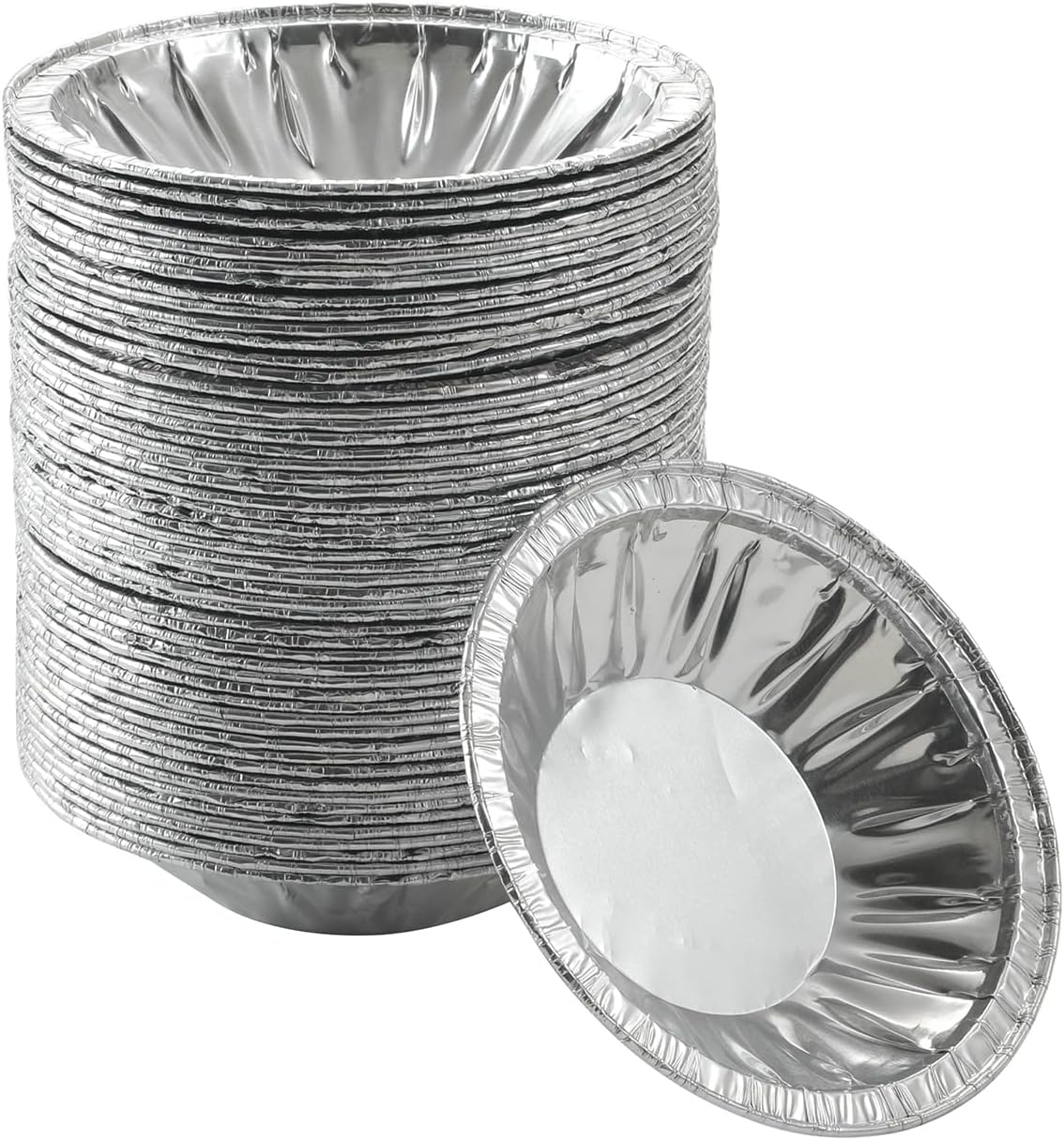
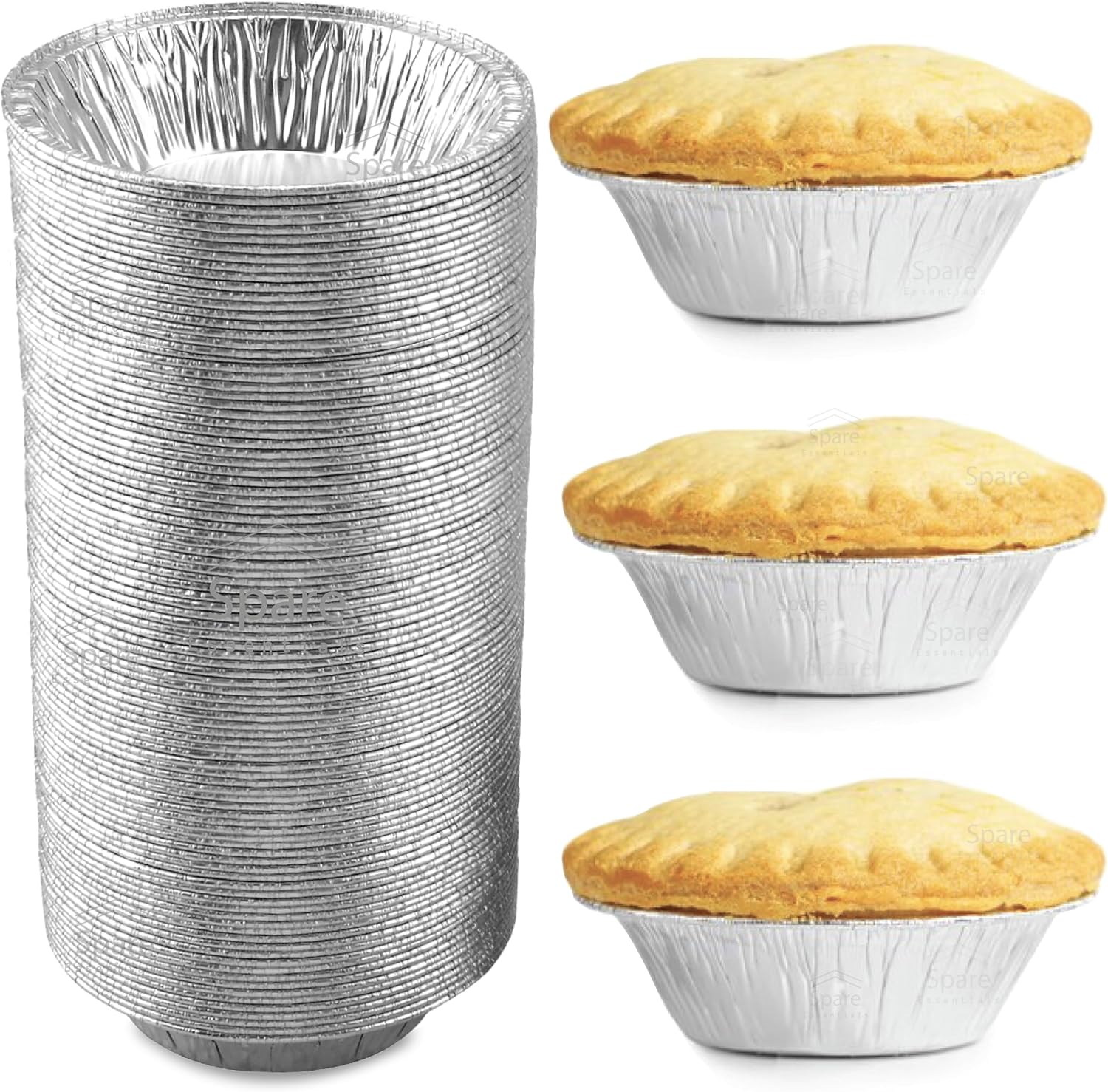
Baking individual treats or preparing desserts for large gatherings requires dependable bakeware that simplifies both the preparation and cleanup stages. Mini foil pie pans offer a practical solution for home bakers, catering businesses, and cafes needing single-serving portions. These disposable aluminum containers handle everything from fruit tarts and quiches to small pot pies without requiring extensive washing afterward.
Selecting the right size and pack count ensures you have enough durable containers for holiday baking, parties, or everyday meal prep. Options range from ultra-compact three-inch molds to larger five-inch dishes designed for more substantial individual servings. Reviewing specific material thicknesses, temperature ratings, and capacities helps match these versatile baking dishes to your exact culinary requirements.
As an Amazon Associate, StacyLaughs earns from qualifying purchases.
Buying guide
Choosing the Right Pan Diameter
Selecting the correct pan diameter depends entirely on the type of recipe you plan to bake and your intended presentation style. Three-inch models offer small, bite-sized portions ideal for festive holiday parties and delicate treats, whereas four- and five-inch versions comfortably accommodate heartier individual pot pies, quiches, and fruit tarts for hungry guests.
Matching the rim and base diameter to your specific serving goals prevents awkward pastry overhang and ensures your ingredients bake evenly throughout the process. Always consider whether you are serving casual snacks, professional bakery items, or formal dinner desserts before finalizing your preferred pan size for upcoming kitchen projects.
Evaluating Capacity and Volume
Capacity and volume specifications dictate how much filling your mini pie pans can hold without overflowing during the bake. Smaller three-ounce or sixty-milliliter containers work well for custards and two-bite pastries, while larger sixteen-ounce options suit substantial cobblers.
Reviewing volume helps you avoid purchasing shallow tins when your recipes require deep, fruit-filled layers. Aligning your ingredient quantities with the pan capacity guarantees structurally sound bakes that maintain their appeal from the oven straight to the serving table.
Material Thickness and Durability
Material thickness directly influences how well disposable aluminum pans maintain their structural integrity under heavy doughs and rich fillings. Heavy-duty or thick gauge aluminum resists bending and folding when transported from countertops to ovens or freezers, protecting your delicate crust formations.
Choosing sturdier foil options prevents accidental spills and structural collapses, especially when working with high-volume commercial baking operations or busy family kitchens. Thin alternatives might save costs, but they demand extra care during handling and stacking.
Temperature Ratings and Baking Versatility
Temperature ratings indicate the thermal limits aluminum pans can handle safely during high-heat baking and low-temperature freezing cycles. Many disposable options withstand standard oven temperatures and freezing environments seamlessly, allowing you to prep, bake, and store desserts within a single container.
Verifying upper temperature limits ensures your bakeware performs reliably whether you are roasting quiches or flash-freezing fruit tarts for later use. Versatile thermal performance simplifies multi-step culinary preparations across home and commercial kitchens alike.
Bulk Pack Quantities and Storage
Bulk pack quantities range from convenient fifty-piece boxes to extensive 120- and 200-pack cartons designed for commercial food service and frequent holiday bakers. Purchasing larger quantities lowers the per-unit cost but requires dedicated pantry or shelving space.
Stackable designs allow lightweight foil pans to nest compactly in drawers, but high-count boxes still demand careful organization. Assess your storage capacity and baking frequency to determine whether a bulk supply or a smaller box fits your lifestyle.
Cleanup and Environmental Considerations
Disposable aluminum pans offer unmatched convenience by eliminating the need for extensive scrubbing after big family gatherings, picnics, or catering events. Simply tossing used tins streamlines post-meal cleanup routines, saving valuable time when hosting large groups of guests.
Many aluminum foil products feature recyclable materials, providing an eco-friendly alternative to difficult-to-melt plastics. Choosing recyclable cookware lets you enjoy low-carbon convenience while supporting responsible waste management practices during parties and daily baking tasks.
Frequently asked questions
Can mini foil pie pans go straight from the freezer into a hot oven?
Many heavy-duty aluminum foil pie pans are designed to withstand both freezer and oven temperatures, allowing you to transition your pre-made desserts directly from cold storage to baking heat. However, you should always check the specific manufacturer guidelines and temperature ratings associated with your exact product model before heating. Thick gauge aluminum handles these thermal shifts reliably without cracking, making it convenient to prepare frozen pot pies, quiches, or fruit tarts in advance and bake them whenever guests arrive.
Are disposable aluminum pie tins safe to wash and reuse?
While some product care instructions mention hand washing, disposable aluminum foil pans are primarily engineered for single-use convenience and subsequent recycling. Because the foil is lightweight and designed to fold or bend under heavy pressure, attempting to scrub and reuse them multiple times can compromise their structural integrity. For best results during baking, it is usually recommended to use them once and then drop them into your recycling bin, eliminating tedious cleanup while ensuring sturdy performance.
What size mini pie pan is best for individual pot pies?
Four-inch and five-inch mini pie pans are generally the most suitable choices for individual pot pies, quiches, and personal-sized cakes. A five-inch pan offers a larger capacity, such as sixteen ounces, which accommodates a hearty, filling meal portion. In contrast, smaller four-inch options suit lighter appetites, side dishes, or compact dessert tarts. Your decision should depend on how much filling you intend to include and whether you want a light snack or a full meal portion.
Do aluminum foil pie pans require greasing before adding pastry dough?
Whether you need to grease your aluminum pie pans depends on the fat content of your pastry crust and whether the specific product features nonstick properties. Many high-quality aluminum tins release flaky pie crusts and tarts naturally due to the material's smooth surface, but adding a light coating or flour dusting can provide extra insurance against sticking. Reviewing the product specifications for nonstick features helps you decide if additional greasing is necessary for delicate items like egg custards.
How should I store bulk packs of mini foil pie pans so they do not bend?
Storing bulk packs of mini foil pie pans requires keeping them in their original packaging or nesting them flat inside dedicated drawers and shelves where heavy items will not crush them. Because aluminum foil is lightweight and susceptible to deformation under heavy pressure, stacking them underneath other kitchen cookware can bend the rims and ruin their shape. Keeping your stack organized in a dry pantry safeguards the full curl rims and structural integrity until you are ready to bake.